
The Importance of Patience
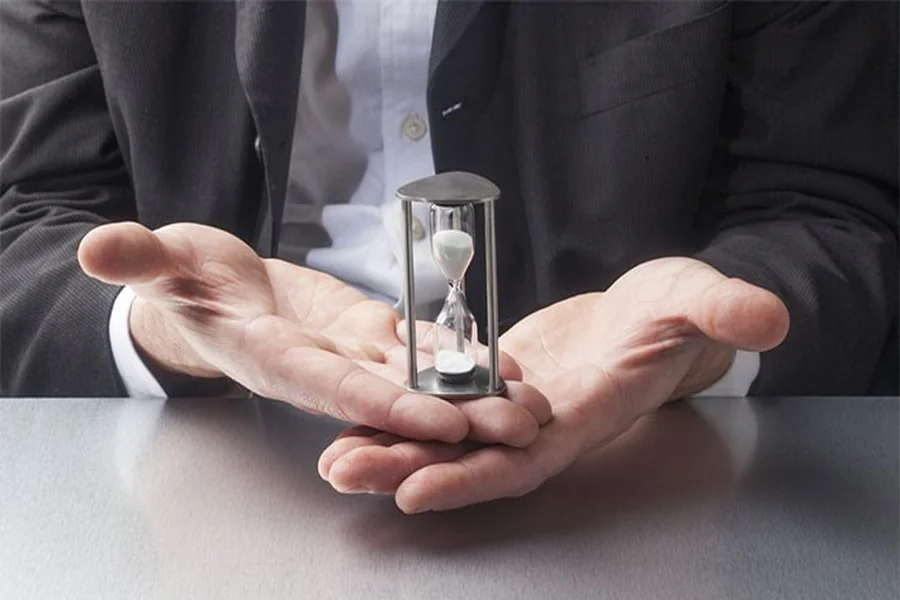
Patience is often described as the ability to wait, but waiting is only the surface of it. Real patience is the ability to remain thoughtful while life refuses to move at your preferred speed. It helps you respond to delays, setbacks, and difficult people without letting frustration make your decisions. In that sense, patience is less about the clock and more about protecting your judgment.
This protection matters whenever a decision has consequences that are not immediately obvious. Learning the meaning of loan collateral in finance, for example, can help someone understand what may be connected to a borrowing agreement before acting. Patience creates the space needed to read the details, ask questions, compare options, and think beyond immediate relief. Without that pause, urgency can push a person toward a choice that solves today’s discomfort while creating tomorrow’s problem.
Patience is valuable because it changes what happens between an emotion and an action. Anger may still appear. Disappointment may still hurt. The difference is that these feelings do not have to control the next move. By creating a little distance between what you feel and what you do, patience can support better mental health, stronger relationships, greater productivity, and more consistent progress toward long term goals.
Patience Protects You From Temporary Thinking
Strong emotions tend to make the present moment feel permanent. When you are frustrated, it can seem as though the situation will never improve. When progress is slow, you may assume that your effort is useless. When another person disappoints you, you may feel pressure to respond immediately.
Patience reminds you that a powerful feeling is not always a reliable forecast.
A difficult afternoon does not mean the entire week is ruined. One rejected application does not prove that no opportunity will appear. A disagreement does not automatically mean a relationship is beyond repair.
This wider view protects you from decisions made only to escape discomfort. Quitting, sending an angry message, making an unnecessary purchase, or abandoning a useful routine may provide a quick sense of relief. That relief can disappear once the consequences arrive.
Patient thinking asks a different question: Will this choice still make sense after the emotion settles?
That single question can prevent a great deal of regret.
A Pause Can Be a Form of Self Control
People often imagine self control as resisting temptation through force. Patience offers a quieter method. Instead of fighting every impulse directly, you delay the response long enough to examine it.
You might wait overnight before making a major purchase. You might take a walk before replying to an upsetting email. You might ask for time to consider an offer rather than agreeing immediately.
The delay does not have to be long. Even a few slow breaths can interrupt an automatic reaction.
The Harvard Health overview of self regulation explains how managing thoughts, emotions, choices, and impulses can help people respond more effectively instead of being controlled by negative feelings. Patience supports this process because it gives reflection a chance to catch up with emotion.
You are not denying what you feel. You are deciding that the feeling deserves to be understood before it becomes an action.
Patience Reduces Unnecessary Stress
Impatience often adds a second problem to the original one. First, something takes longer than expected. Then you become angry that it is taking longer. The delay may be unavoidable, but the frustration increases the emotional cost.
Consider waiting for a medical result, a job response, a delayed flight, or an important decision. You may have little control over the timing. Repeatedly checking, worrying, and imagining the worst does not make the answer arrive sooner. It simply keeps your body and mind in a tense state.
Patience does not require pretending that the delay is pleasant. It means accepting that the timeline is not currently under your control and choosing how to use the waiting period.
You might gather useful information, prepare for several possible outcomes, complete another task, or direct your attention toward something restorative. These actions return a sense of purpose without creating the illusion that you can control everything.
The MedlinePlus guide to relaxation techniques for stress offers practical methods for calming the body and managing the effects of stress. Breathing, meditation, and other relaxation practices can support patience by helping you settle physically before deciding how to respond.
Relationships Need Room to Develop
Strong relationships are not created through perfect communication. They grow because people allow time for clarification, repair, learning, and change.
Impatience can turn small misunderstandings into larger conflicts. You may interrupt because you believe you already know what the other person means. You may demand an immediate answer when they need time to think. You may expect one apology or conversation to fix a pattern that developed over years.
Patience makes room for a fuller picture.
Listening without planning your reply allows you to hear details you might otherwise miss. Waiting until both people are calm can make a difficult conversation more productive. Giving someone time to consider feedback may lead to a more honest response.
Of course, patience should not be used to excuse repeated harm or avoid necessary boundaries. Waiting endlessly for someone to change is not always wise. Healthy patience works with clear standards. It allows time for growth while still paying attention to behavior.
The goal is not to tolerate everything. It is to avoid making permanent decisions based on temporary frustration when a thoughtful conversation could create understanding.
Patience Improves the Quality of Work
Rushing can create the appearance of productivity. Tasks are completed quickly, messages are answered immediately, and decisions are made without delay. Yet speed is not always the same as effectiveness.
Some work needs time for review, revision, and reflection. A rushed report may contain errors. A hurried plan may ignore an important risk. A quick answer may create more confusion than it solves.
Patience helps you stay with a task long enough to improve it.
This does not mean moving slowly on purpose. It means respecting the amount of time required for quality. You can work efficiently without treating every pause as wasted time.
Patience is especially valuable when learning a skill. Early attempts are often awkward, and progress may be difficult to notice. Someone who expects immediate competence may quit before practice has a chance to work.
A patient learner accepts temporary difficulty as part of development. Mistakes become information rather than proof of failure. Repetition becomes a tool rather than a punishment.
Over time, this approach can increase productivity because you spend less energy starting over, correcting avoidable errors, or abandoning projects too early.
Long Term Goals Depend on Delayed Results
Many worthwhile goals produce little immediate reward. Saving money, earning a qualification, building a business, improving health, and developing a creative skill can require months or years of steady effort.
The early stages may feel especially unrewarding. You are investing time and energy, but the result still seems distant.
Patience allows you to continue before the outcome becomes visible.
Someone building savings may see only a small balance at first. A person exercising regularly may not notice major physical changes for several weeks. A student may struggle with basic concepts before the larger subject begins to make sense.
Without patience, slow progress can be mistaken for no progress.
A useful way to remain committed is to measure the process as well as the final result. Track the deposits made, lessons completed, applications submitted, or practice sessions finished. These actions are evidence that the goal is moving forward even when the main outcome has not arrived.
Patience becomes easier when progress has something visible to hold onto.
Setbacks Become More Useful When You Do Not Panic
A setback can trigger the urge to make a dramatic change. You may abandon the plan, lower the goal, or decide that your previous effort was wasted.
Patience creates enough distance to examine what actually happened.
Was the strategy ineffective, or did it simply need more time? Was the goal unrealistic, or was one difficult week treated as a permanent pattern? Did the setback reveal a missing skill, an unclear expectation, or a need for support?
These questions turn disappointment into information.
A patient response does not ignore failure. It studies failure without allowing embarrassment to control the conclusion. You may still decide to change direction, but the change comes from evidence rather than panic.
This approach strengthens resilience. You learn that a setback is something you can respond to, not a final judgment about your ability.
Patience Helps You Choose Better Timing
A good action taken at the wrong time may produce a poor result.
You may have a valid concern, but raising it while everyone is angry could make the conversation worse. You may have a strong idea, but presenting it before gathering basic information could weaken your argument. You may want to help someone, but they may not yet be ready to listen.
Patience helps you distinguish between avoidance and timing.
Avoidance delays action because you do not want to face discomfort. Wise timing delays action because certain conditions will make the action more useful.
The difference lies in what you do during the pause. If you are preparing, gathering facts, calming down, or choosing better words, patience is supporting action. If you are hoping the problem disappears so you never have to address it, the delay may be avoidance.
Patient people do not necessarily act less. They try to act when their effort has a better chance of helping.
You Can Practice Patience in Ordinary Moments
Patience is not developed only during major life challenges. It grows through small daily choices.
You practice it when you wait for someone to finish speaking. You practice it when a website loads slowly and you resist turning irritation into anger. You practice it when you correct a mistake without insulting yourself.
Ordinary delays are useful training because the consequences are usually small. They give you a chance to notice how impatience feels in your body and mind.
Perhaps your shoulders tighten, your thoughts speed up, or you begin imagining negative outcomes. Once you recognize these signals, you can choose a response.
Take a breath. Relax your hands. Look for one useful action. Remind yourself that discomfort does not require immediate escape.
These small practices make patient behavior more available when the situation becomes serious.
Patience Must Include Action
Patience should not become an excuse for passivity. Waiting is not always the right response.
There are times to ask a direct question, set a deadline, seek professional help, leave a harmful situation, or make a clear decision. Patience does not require surrendering responsibility.
Active patience means doing what can reasonably be done while accepting that some outcomes need time. You submit the application and wait for the response. You communicate your boundary and allow the other person to choose how to respond. You follow the treatment plan while recognizing that recovery may be gradual.
This balance protects you from two extremes. One is forcing what cannot be forced. The other is doing nothing and calling it patience.
A patient person can be decisive. The difference is that the decision is not driven only by the need to end uncertainty.
Patience Creates a More Satisfying Life
A life without delays, frustrations, or setbacks is not available. The question is how much power those experiences will have over your behavior.
Patience allows you to move through difficulty without turning every obstacle into a crisis. It supports mental health by reducing the pressure to control every outcome. It strengthens relationships by giving people room to communicate and grow. It improves productivity by encouraging careful, consistent effort.
Most importantly, patience helps you remain connected to long term values when immediate emotions pull in another direction.
You can feel angry without speaking cruelly. You can feel discouraged without abandoning the goal. You can dislike uncertainty without making a reckless decision simply to escape it.
Patience does not remove the challenge. It changes your relationship with the challenge.
Each pause gives you an opportunity to choose a response instead of repeating a reaction. With practice, those choices become a form of strength. You begin to trust that not every problem needs an instant answer and not every delay means something has gone wrong.
Sometimes the wisest progress happens when you slow down long enough to protect the future from the emotions of the present.