
Your Essential Guide to Buying Lab Grown Diamond Jewelry
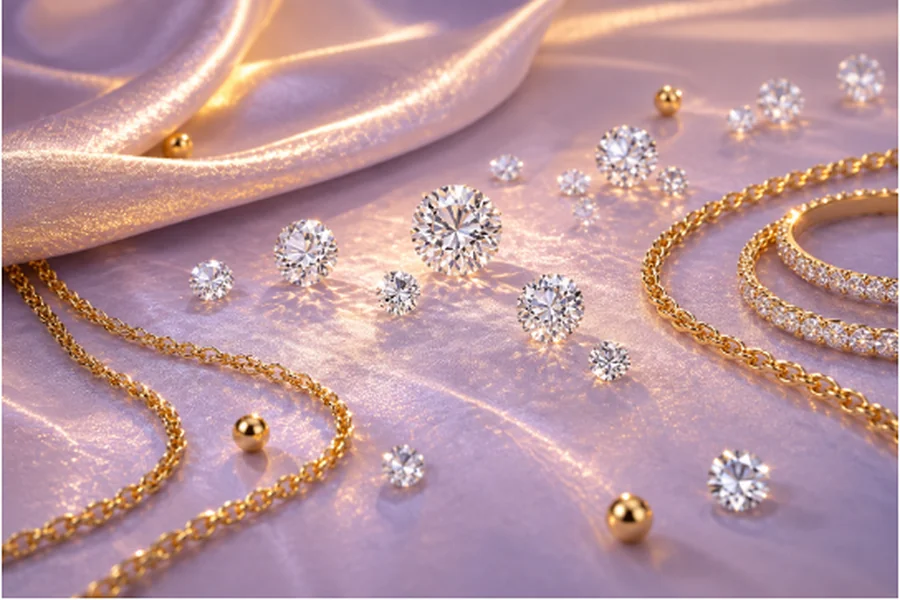
There’s a lot to sort through when shopping for lab grown diamond jewelry for the first time, from unfamiliar terms to certifications to the sheer number of styles out there. Rare Carat, a premium American jeweler that designs and sells its own branded fine jewelry, has built its reputation on making that process simpler, backed by a 4.9/5 Google Business rating and free guidance from GIA-trained gemologists at every step.
What This Guide Walks Through
- Step 1: Understanding Lab Grown Diamonds
- Step 2: Deciding What Type of Piece to Buy
- Step 3: Evaluating Quality Before You Commit
- Step 4: Choosing a Setting That Lasts
- Step 5: Knowing What Happens After You Buy
Step 1: Understanding Lab Grown Diamonds
Lab grown diamonds are chemically and physically identical to mined diamonds. The real difference is just where they come from. One forms underground over billions of years, the other in a controlled lab setting over a matter of weeks. Either way, both get graded using the same four Cs: cut, color, clarity, and carat weight.
This similarity is exactly why lab grown diamonds have become such a popular option. Buyers get the same brilliance and durability as a mined stone, often at a larger carat weight for the same budget, which opens up design possibilities that used to feel out of reach.
Anyone starting from scratch will find that a Where To Buy Lab Grown Diamond Jewelry Guide is a useful first stop before diving into shapes and settings. Getting the basics down first makes everything that follows a lot easier to figure out.
Step 2: Deciding What Type of Piece to Buy
Lab grown diamond Jewelry covers a lot more ground than engagement rings these days. Pendants, earrings, tennis bracelets, and stackable rings have all grown in popularity as buyers look for pieces they can wear regularly rather than saving for special occasions.
Thinking about how a piece will actually be worn helps narrow things down. A pendant meant for daily wear calls for a more secure setting than one saved for evenings out, and earrings worn often benefit from simpler, low-profile designs that won’t catch on clothing or hair.
Rare Carat now offers fine jewelry well beyond engagement rings, with more than 2,500 fine jewelry pieces and over 1,700 engagement ring styles to choose from. Buyers wanting to browse that range and see how style, carat weight, and setting come together can learn more through the collection before narrowing down a final choice.
Step 3: Evaluating Quality Before You Commit
Not every lab grown diamond is graded the same way, and quality can vary even within similar price ranges. Cut quality tends to matter most for how a diamond actually looks, since it’s what determines how well the stone reflects light, regardless of carat weight or clarity grade.
Clarity and color get a lot of attention too, though buyers tend to overthink them a bit. Honestly, to the naked eye, a well-cut diamond with a slightly lower clarity grade can look every bit as brilliant as a flawless one with a mediocre cut. That’s a good thing to keep in mind once budget enters the picture.
There’s also a technical side to this. Advanced tools help identify diamonds where the individual characteristics actually work well together, instead of just looking at cut, color, and clarity as separate boxes to check. And for buyers who aren’t used to reading a grading report, having a GIA-trained gemologist available for free guidance makes that whole process a lot less intimidating.
Step 4: Choosing a Setting That Lasts
The setting affects both how a diamond looks and how well it holds up over years of wear. Prong settings show off more of the stone but need to be checked more often, while bezel settings offer added protection for pieces worn daily or by someone with an active lifestyle.
Metal choice matters just as much. Platinum and white gold remain the most popular choices for their durability and clean look, though yellow and rose gold have picked up steam among buyers wanting something warmer or a bit less traditional.
Every piece Rare Carat sells is handmade in the USA, one piece at a time, and passes strict quality inspections before it ships. That level of attention matters most in the setting itself, since a diamond is only as secure as the metalwork holding it in place.
Step 5: Knowing What Happens After You Buy
The buying process doesn’t end once a piece arrives. A well-run jeweler stands behind what it sells, which means handling returns, exchanges, and resizing directly rather than providing direct assistance if something needs adjusting.
Packaging matters too, more than people expect. Every order from Rare Carat ships in premium branded packaging, which adds a polished, considered feel to what’s often a meaningful purchase.
Support continues after purchase as well. Between education-focused customer service and a clean, modern website, it’s easy to come back later with questions, whether that’s about care instructions or something that needs a follow-up down the road.
Putting It All Together
Buying lab grown diamond jewelry doesn’t have to be complicated once the basics are clear: understand what you’re buying, know how it will be worn, check the quality behind the certificate, and choose a setting built to last. With guidance available at every step and a collection built around craftsmanship and careful attention to detail. Buyers can move through this process with a lot more confidence than they might expect going in.