
Glass Magnetic Board for Wall Uses, Benefits & Tips
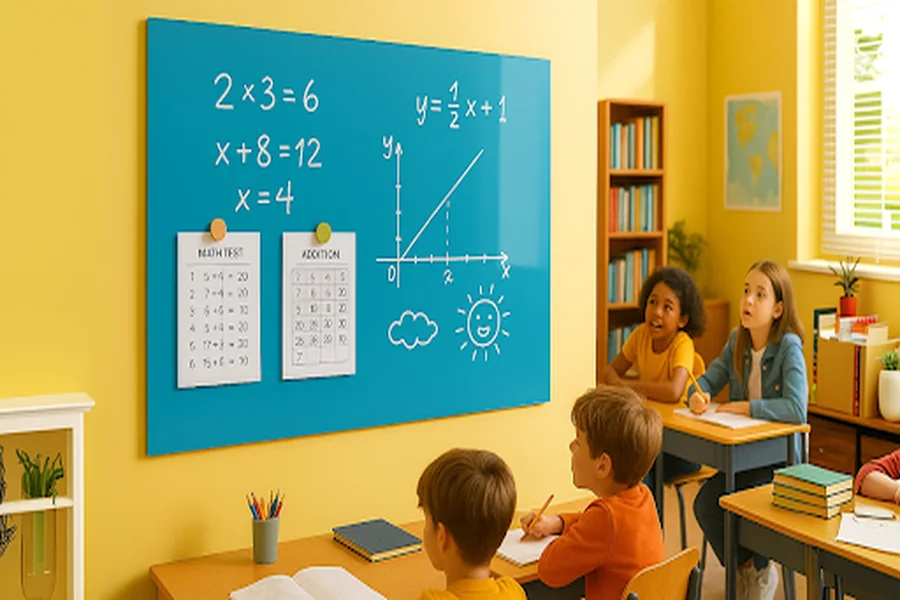
A glass magnetic board combines two familiar workplace tools: a dry-erase writing surface and a magnetic display area. Instead of relying on cork, paper, or a conventional painted whiteboard, users can write directly on the glass magnetic board for wall while also attaching notes, documents, schedules, or visual materials with compatible magnets.
This format has become increasingly common in offices, classrooms, conference rooms, home offices, kitchens, and collaborative spaces. The appeal is simple: glass provides a smooth, non-porous writing surface, while a magnetic backing or embedded steel layer allows the board to hold paper and other lightweight materials.
However, not every glass board works the same way. Some are magnetic, while others are simply glass dry-erase boards. Magnet strength, glass construction, mounting method, size, and surface finish all affect how practical a board will be for everyday use. Understanding those differences is important before choosing a board for a particular wall or workspace.
How Does a Magnetic Glass Whiteboard Work?
A magnetic glass whiteboard typically uses tempered glass combined with a magnetic backing layer. The glass itself is not necessarily magnetic. Instead, a steel or other ferromagnetic layer positioned behind the glass creates the attraction needed for compatible magnets. This distinction matters because users sometimes assume any glass writing board can hold magnets. It cannot.
The magnetic performance depends on the construction behind the glass and the strength of the magnets being used. Some manufacturers specifically recommend high-powered or rare-earth magnets because ordinary refrigerator magnets may not provide enough force through the glass.
Glass boards are also generally designed for dry-erase markers. Their non-porous surface does not absorb ink in the same way that some traditional whiteboard surfaces can. Manufacturers and industry sources commonly emphasize resistance to staining and ghosting as major advantages of glass writing surfaces.
Why Use Glass Instead of a Traditional Whiteboard?
The biggest difference is the writing surface. Traditional whiteboards often use painted steel, enamel, laminate, or similar materials. These can perform well, but their surfaces may eventually show staining, scratches, or ghosting depending on construction and maintenance.
Glass is inherently non-porous, which makes it easier to clean after repeated writing. A properly maintained glass surface can remain visually consistent through heavy use, although that does not mean it is impossible to scratch or damage.
The writing experience is another consideration. Glass provides a smooth surface that allows dry-erase markers to glide easily. It also creates a more permanent-looking installation because the board resembles an architectural wall element rather than office equipment.
That makes glass particularly useful in spaces where both functionality and visual appearance matter.
Key Benefits of Magnetic Glass Boards
1. Smooth, Non-Porous Writing Surface
The surface of a glass dry erase board does not readily absorb marker ink. This makes routine cleaning relatively easy and reduces the buildup that can occur on some lower-quality writing surfaces.
Ghosting can still occur because of unsuitable markers, residue, or inadequate cleaning, so claims that glass is completely maintenance-free should be treated cautiously. The material itself offers an advantage, but maintenance still matters.
2. Writing and Display in One Surface
A magnetic board can serve as both a writing area and a visual display. For example, a project team might write deadlines directly on the board while attaching printed charts or reference documents beside them. A teacher can combine handwritten explanations with printed classroom materials. At home, a family can use one surface for schedules, reminders, grocery notes, and calendars.
This combination eliminates the need to dedicate separate wall space to a whiteboard and bulletin board.
3. Durable Surface for Frequent Use
Tempered glass is commonly used for glass whiteboards because it is engineered for improved strength compared with ordinary annealed glass. However, tempered glass should not be confused with being indestructible.
Glass boards remain breakable, and installation hardware must be appropriate for the board’s weight and the wall structure. Some industry documentation specifically identifies heavier weight and secure mounting as important considerations when installing glass whiteboards.
4. Minimalist Appearance
Frameless glass whiteboards have become popular in contemporary offices and home workspaces because they visually occupy less space than framed boards.
A frameless design can create a cleaner appearance, particularly when mounted with concealed hardware or low-profile standoffs. Larger installations can also cover substantial wall areas and function as collaborative writing walls.
Full-wall magnetic glass systems are used in conference rooms, hallways, and collaborative office environments for exactly this reason.
Where Are Glass Magnetic Boards Most Useful?
The right application depends on how the wall will be used.
Offices and Conference Rooms
In offices, a wall mounted glass whiteboard can support brainstorming, project planning, meeting notes, workflow diagrams, and presentations. The magnetic function adds another layer by allowing teams to move printed documents around while maintaining handwritten notes nearby.
Large boards are particularly useful when several people need to work on the same visual space simultaneously.
Classrooms and Training Areas
Educational environments can benefit from the combination of writing and magnetic display. Teachers can write explanations, attach worksheets, display diagrams, and rearrange learning materials without covering the wall with separate paper displays.
Because classroom use can be intensive, surface durability and appropriate mounting deserve particular attention.
Home Offices
A glass marker board can provide a dedicated planning surface in a home office without making the room look like a conventional commercial workspace.
It can be used for weekly planning, project tracking, calendars, brainstorming, or personal reminders. A smaller board may be sufficient for an individual, while larger installations make more sense for shared workspaces.
Kitchens and Family Command Centers
In residential spaces, magnetic glass boards can function as scheduling and communication centers. Families can combine handwritten notes with calendars, school reminders, appointment information, and grocery lists.
The non-porous surface is also relatively easy to wipe clean, which is useful in areas where frequent changes are expected.
What to Consider Before Installing One
Choosing the board is only part of the process. The wall and installation method matter just as much.
Wall Construction and Mounting
Glass boards can be substantially heavier than lightweight plastic or traditional framed boards. The mounting system must be rated for the board’s weight and appropriate for the wall construction.
Drywall, wood studs, masonry, and other wall types may require different fasteners. A board should never be mounted solely according to appearance or by assuming that standard anchors will support it.
For larger boards, locating structural support before drilling is especially important.
Board Size and Writing Area
Think about how many people will use the board at once. A small board may work for personal reminders, but it can become cramped when multiple users need to write simultaneously. Larger boards offer more flexibility but increase weight, installation requirements, and wall-space consumption.
The ideal size is therefore determined by function rather than simply choosing the largest available panel.
Magnet Compatibility
Magnetic strength is frequently overlooked. Because the magnet must work through the glass, ordinary household magnets may not hold paper securely. Some glass-board manufacturers specifically state that high-powered magnets are required because of the glass thickness.
Before installation, check what type of magnets the board manufacturer recommends and what weight those magnets are designed to support.
Glass Whiteboard vs. Traditional Whiteboard
The choice is not simply about appearance. A traditional whiteboard can be lighter, less expensive, and easier to replace. It may make sense for temporary workspaces, low-use areas, or situations where budget is the primary concern.
Glass boards generally make more sense when long-term surface performance, appearance, and frequent use are priorities. They also tend to offer a more substantial architectural appearance.
Cost should therefore be evaluated alongside expected lifespan and usage frequency rather than by comparing purchase prices alone.
A heavily used board that remains functional and visually consistent for years can have a different overall value proposition than a cheaper surface that needs earlier replacement. That is a value calculation, not an automatic argument that glass is always the better choice.
How to Maintain a Magnetic Glass Board
Maintenance is relatively simple, but using the right materials still matters. Use dry-erase markers specifically intended for the surface. Clean the board regularly with a soft, non-abrasive cloth and an appropriate glass-board or manufacturer-recommended cleaner.
Avoid abrasive pads and aggressive cleaning methods that could damage coatings or finishes.
It is also worth removing marker residue before it accumulates. Even when a surface is resistant to ghosting, leaving ink residue for extended periods is unnecessary.
For magnetic use, keep the contact surfaces of magnets clean. Dirt or debris between magnets and the board can affect performance and potentially scratch the surface.
Common Mistakes to Avoid
One of the most common mistakes is assuming that every glass whiteboard is magnetic. Always verify the construction before purchasing or installing one.
Another mistake is underestimating the weight. A large glass panel requires appropriate hardware and careful installation.
Using weak magnets is another frequent problem. If the board uses a steel backing behind thick glass, standard decorative magnets may not provide sufficient holding force.
Finally, do not treat tempered glass as unbreakable. Tempering improves safety characteristics and strength, but proper handling and installation remain essential.
Is a Magnetic Glass Board Worth the Wall Space?
For spaces where writing, organization, and visual communication happen frequently, the combination can be highly practical. The strongest argument is not simply that glass looks modern. It is that one wall surface can perform several functions at once: dry-erase writing, magnetic document display, brainstorming, scheduling, and visual organization.
The decision becomes less compelling when the board will rarely be used, when the wall cannot support its weight, or when a low-cost temporary writing surface is all that is required.
Ultimately, the right choice depends on usage frequency, available wall space, installation conditions, required magnetic strength, and expected service life.
Final Considerations
A magnetic glass writing surface is more than a decorative alternative to a conventional whiteboard. Its value comes from combining a durable writing surface with flexible magnetic organization.
Before selecting one, evaluate the glass construction, magnetic backing, compatible magnets, dimensions, wall structure, mounting hardware, and maintenance requirements. Those details have a much greater impact on long-term performance than appearance alone.
For offices, classrooms, home workspaces, and shared planning areas, the combination of writing and magnetic display can turn an otherwise unused wall into a practical communication surface. The key is choosing the construction and installation method based on how the space will actually be used, not simply how the board looks in a product photograph.