
A Simple Guide to Pipes, Drains and Water Flow in Everyday Homes
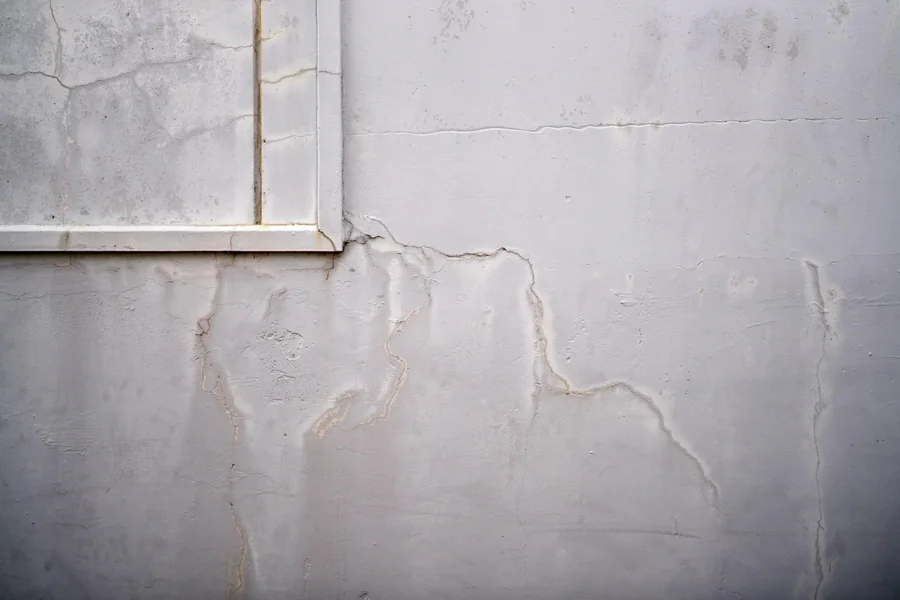
Have you ever stood in a puddle of water, wondering if the house was settling on a hidden lake?
It starts with a drip, a slow sink or a gurgle from the wall. Suddenly, the home’s quiet rhythm becomes a noisy mystery. Pipes and drains are the veins of a house – yet most folks ignore them until disaster strikes. This unseen network is a marvel of simple physics and clever design. Understanding it is not about becoming a plumber. It is about becoming a smarter resident. A little knowledge turns panic into a plan when water goes where it should not. In towns like Pompton Lakes, NJ, where older homes meet newer weather patterns, this awareness matters even more. In this blog, we will share how water moves, why it stops and what to do before a small leak becomes a headline.
When Gravity Fails
Drains clog because they are built for water, not everyday waste like hair, soap and grease. Grease flows in hot but hardens into thick sludge as it cools, narrowing pipes and causing backups in low points like basement drains. Many people use chemical cleaners for a quick fix, but these can damage pipes by generating heat. Instead, early signs like slow drains or gurgling sounds should not be ignored, as they signal deeper issues that can worsen over time.
Daily life often collides with plumbing reality – whether it is a holiday dinner clogging the sink or a storm pushing water back through drains. These moments reveal how much a home depends on simple systems working as expected.
They also highlight the importance of having a plan and a trusted resource. When the clock is ticking and water is spreading, a homeowner needs to act fast. This is precisely when it pays to find a reliable 24/7 plumber in Pompton Lakes, NJ, someone who knows the local pipe layouts. A local expert understands which older neighborhoods have clay sewer lines prone to root intrusion. They also know how the town’s water pressure fluctuates during peak hours. Having that number saved before an emergency turns a potential disaster into a manageable repair. It replaces frantic searching with a single, confident call for help.
For a homeowner, the goal is not to fix everything. It is to know when to act fast. Knowing how to shut off the main water valve is the first power move. It turns a potential flood into a contained inconvenience.
The Pressure to Perform
Inbound water pressure is a modern luxury often taken for granted. It allows for morning showers that feel like a waterfall and sprinklers that dance across lawns. But pressure is a force that must be managed within the home. Water heaters, washing machine hoses and ice maker lines all live under constant strain. A burst hose can release hundreds of gallons in less than an hour. The damage is not just water; it is ruined floors, walls and the quiet comfort of home.
Societal trends show more people working from home, placing constant demand on these systems. A house that used to be empty for eight hours now sees nonstop use. Toilets flush more, sinks run more and appliances cycle throughout the day. This constant use accelerates wear on valves, seals and connections. The result is a higher frequency of minor leaks that go unnoticed for weeks. A slow drip under a sink seems minor until the cabinet floor rots out.
Observation is the most underrated plumbing tool in any household. Looking under sinks once a month takes only a few minutes. Checking the water heater’s pressure relief valve can prevent a sudden rupture. These small acts of attention are the difference between maintenance and emergency. They treat the home as a system to be understood, not a mystery to be endured. When something does break, the knowledge of where shutoffs are saves time and anxiety. It also ensures that help can focus on the repair, not on stopping a waterfall.
Maintaining the complex network of lines that snake beneath a home requires more than just an occasional glance at the faucets. Over time, factors like soil shifts, mineral accumulation, and even the natural aging of pipe materials can compromise the integrity of your drainage system. When homeowners encounter persistent issues that simple DIY methods cannot resolve, consulting experienced specialists like Layton Plumbing Pros can provide the technical insight needed to identify deep-seated obstructions or structural sagging. Properly assessing the pitch and condition of these hidden pipes ensures that wastewater continues to flow efficiently toward the main sewer line. This proactive approach prevents small, stinky messes from escalating into major property damage.
A Moment of Clarity
A plumbing issue is rarely just about pipes. It disrupts daily life. Plans get canceled. Work shifts around it. Sleep disappears with every drip in the night. That disruption feels personal, but it connects to something bigger. Many towns deal with aging systems built decades ago. Heavy rainfall adds more pressure on drains and sewer lines. A small problem at home reflects a larger issue across cities.
A smarter approach mixes awareness with expert help. Knowing the basics makes communication easier. It helps explain the problem clearly, without panic. That clarity saves time, which matters most in emergencies. It also builds trust with a local professional. They understand the area and its challenges. A home from the 1950s does not behave like a new one. That difference matters more than people expect.
Therefore, the goal is not to fear the system but to respect its role. Water gives life to a home and the pipes are its arteries. Treating them with simple care extends their life and preserves peace of mind. The next time a strange noise comes from the wall, curiosity should replace dread. A quick check of the trap or a glance at the shutoff valve is empowering. This is the shift from being a passive occupant to an active caretaker.
Now, go find the main water shutoff in your home. Feel the valve handle and confirm it turns easily. Test a few drains with a full sink of water to watch the flow. Notice if they swirl away happily or linger like a tired guest. This simple audit takes ten minutes but pays dividends in confidence. It transforms a house from a collection of rooms into a system you understand. And when the inevitable drip arrives – you will meet it with a plan instead of a sigh.
Effective home maintenance often involves understanding how water interacts with the structural integrity of a property, particularly in areas prone to seasonal moisture fluctuations. While interior plumbing systems manage daily water flow, external factors like hydrostatic pressure and poor drainage can lead to persistent dampness within the lower levels of a residence. Identifying professional wet basement repair services in Joplin Missouri ensures that foundational vulnerabilities are addressed through specialized sealing and drainage techniques. These interventions prevent long-term issues such as mold growth and structural shifting, which often arise when water is allowed to pool around the base of the home. Maintaining a dry environment below ground is just as vital as managing the pipes and drains found throughout the primary living spaces.