
After the Unexpected – Rebuilding Your House with Smarter Materials
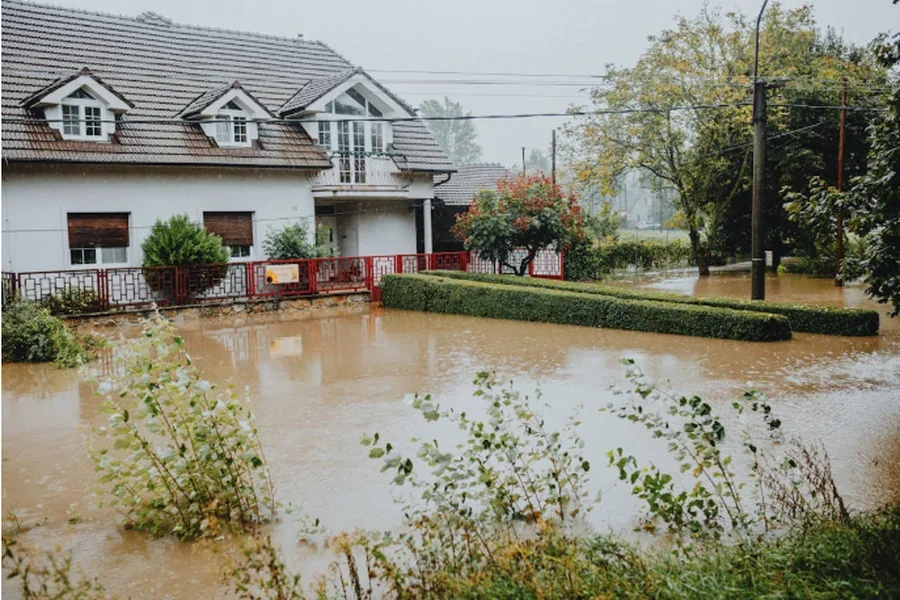
When damage hits a home, most people want one thing: to make it look normal again. Dry the space out. Replace what was ruined. Paint over the stains. Move on. That instinct is completely understandable. Home is where routines happen, where family gathers, where life feels steady. After water, fire, or structural damage, restoring that sense of normalcy becomes the priority.
Yet reconstruction creates a rare window of opportunity. Walls are open. Floors are removed. Systems are exposed. You get to see how your home was originally built and where it may have been vulnerable. Instead of simply reinstalling the same materials that failed before, you can make smarter choices that improve resilience, safety, and long-term performance.
Below are practical, real-world strategies that turn recovery into improvement.
Start With a Full Structural Assessment
Before selecting finishes or fixtures, it is critical to understand what truly happened inside the structure. Damage often spreads beyond visible areas. Water can travel horizontally through drywall, wick upward into framing, and soak into insulation long after the surface appears dry. Heat from a small fire can weaken structural connections even if the framing does not look severely burned. Even minor shifts in foundation support can alter how weight is distributed throughout the home. Without a comprehensive assessment, rebuilding may trap hidden problems behind new materials, setting the stage for future deterioration.
Professional evaluation ensures accuracy and prevents expensive mistakes. Restoration specialists such as Intensa Dry often use moisture meters, thermal imaging tools, and industrial drying equipment to detect hidden dampness and structural compromise. For example, a family room wall might appear solid after surface drying, yet still contain moisture inside the studs. If new drywall is installed too soon, that trapped moisture can lead to mold growth or structural weakening. A detailed inspection also identifies areas where framing needs reinforcement or insulation must be replaced entirely.
Upgrade to Moisture-Resistant Wall Systems
Standard drywall performs adequately in dry environments, but it tends to fail quickly under repeated exposure to humidity or leaks. After water damage, rebuilding with moisture-resistant drywall or cement board offers significantly greater durability. These materials are engineered to resist swelling and breakdown when exposed to damp conditions, especially in areas where moisture is more likely to return.
Consider a bathroom where a hidden pipe leak once caused extensive wall damage. Installing moisture-resistant wall panels during reconstruction adds protection behind tile and paint. In basements or laundry rooms, cement board can provide added defense in areas that historically experienced dampness. These upgrades do not change the finished look of the space, yet they quietly improve how the walls perform over time.
Choose Flood-Resilient Flooring Options
Flooring is often one of the first elements to show visible signs of water damage. Solid hardwood may cup or warp, laminate can swell and separate, and carpet padding may trap moisture long after flooding subsides. During rebuilding, choosing flood-resilient materials strengthens the home against similar future events.
Porcelain tile, sealed concrete, and high-quality waterproof vinyl are strong alternatives in areas that previously experienced water intrusion. For example, if a finished basement flooded and damaged wood flooring, replacing it with tile or sealed concrete simplifies future cleanup and minimizes structural risk. These materials resist moisture penetration and are easier to dry thoroughly if water returns.
Upgrade Insulation for Both Moisture and Energy Performance
Insulation often goes unnoticed until damage reveals its limitations. Traditional fiberglass insulation can retain moisture, reducing effectiveness and creating a breeding ground for mold. During reconstruction, upgrading to moisture-resistant insulation improves both durability and energy performance.
Closed-cell spray foam insulation expands to seal gaps within wall cavities, creating a barrier that resists moisture intrusion while improving thermal efficiency. Mineral wool insulation also performs well in damp conditions and offers fire-resistant properties. For instance, in a home that experienced flooding, replacing fiberglass insulation with spray foam can reduce air leakage and improve temperature control throughout the year.
Reinforce Subflooring with Treated Materials
Subfloors form the foundation for all finished flooring, yet they are frequently overlooked during surface-level repairs. After water exposure, untreated plywood subfloors can weaken, swell, or develop soft spots that become noticeable months later. Rebuilding offers the opportunity to upgrade to pressure-treated or moisture-resistant subfloor panels that provide greater structural stability.
For example, in a kitchen where a dishwasher leak damaged both the flooring and subfloor, replacing the underlying plywood with treated panels adds strength and longevity. This reinforcement ensures that new tile, vinyl, or hardwood flooring rests on a secure base. Strengthened subflooring reduces the risk of sagging, squeaking, or uneven surfaces in the future.
Replace Traditional Drywall with Mold-Resistant Alternatives
Mold growth often becomes a secondary problem after water damage, especially when moisture lingers in wall cavities. Traditional drywall contains paper backing that can provide a surface for mold to develop if damp conditions return. Replacing it with mold-resistant drywall in high-risk areas adds a practical layer of defense.
In spaces such as basements, bathrooms, and laundry rooms, mold-resistant drywall reduces the likelihood of future issues caused by humidity or minor leaks. For instance, a basement that previously experienced flooding may benefit from mold-resistant panels during reconstruction, even if it will not be finished immediately.
Install Smart Leak Detection Systems During Rebuild
Reconstruction creates easy access to plumbing lines, making it the ideal time to install smart leak detection technology. These systems monitor water flow and can alert homeowners to unusual activity before visible damage occurs. Some models even shut off the water supply automatically when a leak is detected.
For example, installing sensors near water heaters, washing machines, and kitchen sinks can prevent a minor drip from becoming a major repair. Instead of discovering water damage days later, homeowners receive immediate notifications. Integrating leak detection during rebuilding shifts the focus from reactive repair to proactive protection.
Use Impact-Resistant Garage Doors and Entry Systems
Garage doors and exterior entry points are among the most vulnerable areas during storms and high winds. Replacing standard doors with impact-resistant models improves protection for both the structure and the belongings inside.
For example, reinforced garage doors are designed to withstand higher wind pressure, reducing the risk of structural compromise. Upgraded entry systems with improved seals also limit water intrusion during heavy rain. Strengthening these access points during reconstruction protects some of the most exposed parts of the home.
Rebuilding after unexpected damage can feel overwhelming, yet it presents a powerful opportunity to strengthen your home beyond its original condition. Instead of restoring past vulnerabilities, thoughtful upgrades create a house that is more resilient, more efficient, and better prepared for whatever challenges may arise in the future.