
Am I a Good Candidate for Dental Implants? Exploring Tooth Replacement Options
According to the American Dental Association’s 2023 oral health surveillance data, approximately 178 million Americans are missing at least one tooth, yet only 15% of those seeking replacement consider all available options before making their decision. The landscape of tooth replacement has evolved dramatically over the past decade, with new implant technologies and refined traditional methods creating more personalized pathways to restored function and aesthetics.
This shift matters because the choice between implants, bridges, and dentures isn’t just about immediate results — it’s about how your mouth will function, feel, and look 10 to 20 years from now. As dental technology advances and success rates improve across all replacement methods, understanding your candidacy for different approaches becomes crucial for making an informed decision that aligns with your health profile, lifestyle, and long-term goals.
The question “Am I a good candidate for dental implants?” opens a broader conversation about which tooth replacement path serves you best, considering factors from bone density to age, budget to maintenance preferences. Here’s what determines your options and how to navigate them with confidence.
What Determines If You Are a Good Candidate for Dental Implants
Bone density and jaw health form the foundation of implant candidacy. Your jawbone needs sufficient volume and density to support the titanium post that functions as an artificial tooth root. After tooth loss, the surrounding bone begins resorbing — essentially shrinking — at a rate of about 25% in the first year. This means timing matters significantly. Patients who pursue implants within six months of extraction typically have better bone quality than those who wait years.
Your overall health status plays an equally critical role. Uncontrolled diabetes, active cancer treatment, or certain autoimmune conditions can interfere with the healing process called osseointegration, where bone grows around and fuses with the implant. Heavy smoking presents another significant barrier — it reduces blood flow to the gums and can triple the risk of implant failure. However, many patients who quit smoking at least eight weeks before surgery see dramatically improved success rates.
Age considerations work differently than many people expect. While there’s no upper age limit for implants, jaw development creates a lower boundary. Most oral surgeons wait until late teens or early twenties when jaw growth is complete. For older adults, the focus shifts to healing capacity rather than chronological age — a healthy 75-year-old often has better candidacy than a 45-year-old with multiple health complications.
Gum disease status must be addressed before any implant consideration. Active periodontitis creates an environment where bacteria can compromise the implant site. The good news is that most gum disease can be successfully treated, making previously poor candidates eligible for implants. Some patients require several months of periodontal therapy before they qualify, but this foundation work significantly improves long-term outcomes.
Financial readiness extends beyond the initial procedure cost. Implants represent a substantial upfront investment — typically $3,000 to $6,000 per tooth — but this needs to be weighed against the 20 to 30-year lifespan most patients experience with proper care.
What Are the Main Tooth Replacement Options Available
The three primary categories of tooth replacement each address different aspects of function, aesthetics, and practicality. Dental implants represent the most comprehensive solution, replacing both the visible crown and the root structure beneath the gum line. This dual approach preserves jawbone integrity and provides the closest approximation to natural tooth function, but requires surgery and significant healing time.
Fixed bridges connect replacement teeth to existing adjacent teeth, creating a permanent restoration that doesn’t require removal for cleaning. Traditional bridges involve crowning the teeth on either side of the gap, while newer resin-bonded bridges (Maryland bridges) attach with minimal tooth preparation. Bridges work well for patients with healthy neighboring teeth and adequate bone support, though they don’t prevent the bone loss that occurs in the gap area.
Removable dentures offer the most versatile and budget-friendly approach, ranging from partial dentures that replace several teeth to complete dentures for full-mouth restoration. Modern dentures have evolved far beyond the loose, uncomfortable stereotypes many people remember, with improved materials and fitting techniques providing better retention and more natural appearance.
The choice between these options often depends on the number of missing teeth, their location in the mouth, and the condition of surrounding structures. Single missing front teeth often favor implants for aesthetics, while multiple missing back teeth might be candidates for either implants or well-designed partial dentures, depending on the patient’s preferences and clinical factors.
What Types of Dental Implants Can You Choose From
Traditional endosteal implants — titanium posts surgically placed directly into the jawbone — represent the gold standard for most single-tooth and multiple-tooth replacements. These implants integrate with bone over 3 to 6 months, creating a foundation strong enough to handle normal chewing forces. Recent advances in surface texturing and threading design have improved success rates to over 95% in healthy patients.
Mini implants offer a less invasive option for patients with limited bone volume or those seeking temporary stabilization for loose dentures. These narrower implants (less than 3mm in diameter) can often be placed without extensive surgery, though they’re typically reserved for lighter-duty applications like securing lower dentures rather than replacing individual molars.
All-on-4 and similar full-arch solutions transform the implant approach for patients missing most or all teeth. By strategically placing four to six implants per arch, these techniques can support a complete set of fixed teeth, often allowing patients to leave surgery with temporary teeth the same day. This approach works particularly well for patients who want to avoid removable dentures but lack the bone volume for individual implants at each tooth site.
Zygomatic implants represent a specialized solution for patients with severe upper jaw bone loss, anchoring in the cheekbone rather than the maxilla. While more complex, these implants enable full-mouth restoration in cases where traditional implants would require extensive bone grafting.
How Do Bridges and Dentures Differ as Alternatives
Traditional fixed bridges require crowning the adjacent teeth to create anchors for the replacement tooth or teeth. This approach works well when those neighboring teeth already need crowns or have large fillings, essentially addressing multiple issues simultaneously. Modern bridge materials like zirconia provide excellent strength and natural appearance, with properly maintained bridges lasting 15 to 20 years on average.
Resin-bonded bridges preserve more natural tooth structure by bonding to the back surfaces of adjacent teeth rather than crowning them entirely. These work particularly well for replacing single front teeth in younger patients, though they’re not suitable for heavy chewing areas and may require occasional rebonding.
Partial dentures replace multiple missing teeth using a framework that clasps to remaining natural teeth. Modern partials use flexible materials and precision attachments that provide better retention and comfort than older designs. Some patients find partials ideal for replacing several back teeth, where the removable nature simplifies cleaning around complex gum contours.
Complete dentures have undergone significant improvements in recent years, with digital design and improved materials creating better fit and function. For patients seeking effective tooth replacement options in Chicago, modern complete dentures often provide surprising stability and comfort, particularly when combined with periodic adjustments and relines.
Implant-supported dentures bridge the gap between traditional dentures and individual implants, using two to four implants per arch to secure a removable denture. This approach provides the stability patients want with easier maintenance and lower cost than full implant reconstruction.
What Are the Advantages and Risks of Implants Compared to Other Options
Dental Implants
Bone preservation represents implants’ most significant long-term advantage over other replacement options. When you lose a tooth, the surrounding jawbone begins resorbing because it no longer receives the mechanical stimulation that comes from chewing forces transmitted through the tooth root. Implants restore this stimulation, maintaining bone volume and facial support that bridges and dentures cannot provide. This becomes particularly important for maintaining facial aesthetics as people age.
Longevity and cost-effectiveness emerge over time, despite higher initial costs. While a single implant might cost $4,000 to $6,000, its expected 20 to 30-year lifespan often makes it more economical than bridges requiring replacement every 10 to 15 years or dentures needing frequent adjustments and relines. The calculation becomes more complex with multiple missing teeth, where other options might offer better value.
Success rates vary by location and patient factors, but average around 95% for lower jaw implants and 90% for upper jaw placements. Complications, when they occur, typically involve infection at the implant site, nerve damage in the lower jaw, or sinus issues with upper jaw placements. Most complications can be treated, though they may require additional procedures or, in rare cases, implant removal.
Bridges offer immediate results without surgery, making them attractive for patients who need quick restoration or want to avoid the 3 to 6-month healing period implants require. However, bridges sacrifice healthy tooth structure on adjacent teeth and don’t address the underlying bone loss issue. The average bridge replacement cycle means patients might need three to four bridges over their lifetime in the same location.
Modern dentures provide versatility that other options cannot match. They can replace any number of teeth, adapt to changing oral conditions, and be adjusted as the mouth changes over time. For patients with extensive tooth loss or complex medical conditions that complicate surgery, well-made dentures offer reliable function at a fraction of implant costs.
The risk profile favors dentures and bridges for patients with bleeding disorders, those taking certain medications like bisphosphonates, or individuals with limited healing capacity. Each option involves trade-offs between initial investment, long-term maintenance, and functional outcomes.
What Special Considerations Apply to Pediatric and Temporary Tooth Replacement
Children and adolescents present unique challenges for tooth replacement because their jaws continue growing until the late teens or early twenties. Implants placed before growth completion can become misaligned as the jaw develops, creating both functional and aesthetic problems. For this reason, most oral surgeons wait until skeletal maturity before considering implants, typically around age 18 to 22.
Temporary solutions during these growth years focus on maintaining space and function while preserving future treatment options. Removable partial dentures work well for children missing several teeth, providing function and aesthetics while allowing for easy adjustments as they grow. These appliances can be modified or replaced as needed without compromising future implant placement.
Orthodontic space maintenance becomes crucial when children lose permanent teeth due to trauma or extraction. Space maintainers prevent adjacent teeth from drifting into the empty space, preserving proper arch form for eventual definitive restoration. In some cases, orthodontic treatment can actually close small gaps entirely, eliminating the need for prosthetic replacement.
Trauma-related tooth loss in young people often involves sports injuries or accidents affecting the front teeth. Immediate attention focuses on saving any salvageable tooth structure and managing soft tissue injuries. Temporary bonded bridges or removable appliances can restore appearance and function while tissues heal and treatment plans develop.
For adults, temporary replacement becomes important during the healing phases of implant treatment or while awaiting final restorations. Healing caps, temporary crowns, or removable appliances maintain aesthetics and basic function during the 3 to 6-month integration period. These solutions prevent patients from having visible gaps during social or professional interactions while their permanent restoration develops.
How Does Tooth Replacement Affect Long-Term Oral Health and Maintenance
Jawbone health changes dramatically depending on the replacement method chosen. Implants stimulate bone through normal chewing forces, maintaining density and volume over decades. Bridges and dentures, while functionally effective, cannot prevent the gradual bone resorption that follows tooth loss. This affects facial support over time, with some patients developing a “sunken” appearance around the mouth as bone volume decreases.
Adjacent teeth experience different stresses with each replacement type. Implants function independently, placing no additional load on neighboring teeth. Traditional bridges transfer chewing forces to the anchor teeth, which can sometimes lead to problems if those teeth develop decay or periodontal disease under their crowns. Partial dentures can place stress on clasped teeth, though modern designs minimize this impact through better force distribution.
Maintenance requirements vary significantly between options. Implants require daily brushing and flossing similar to natural teeth, plus regular professional cleanings. The key difference lies in the need for specialized floss threaders or water flossers to clean around the implant crown margins. Bridges demand meticulous cleaning under the pontic (replacement tooth) area using floss threaders or interdental brushes — a step many patients initially find challenging but master with practice.
Dentures require the most complex maintenance routine, involving daily removal for cleaning, soaking in cleaning solutions, and careful handling to prevent damage. Modern denture materials are more durable than previous generations, but they still require replacement of soft liners every few years and complete remake every 5 to 8 years as the mouth changes shape.
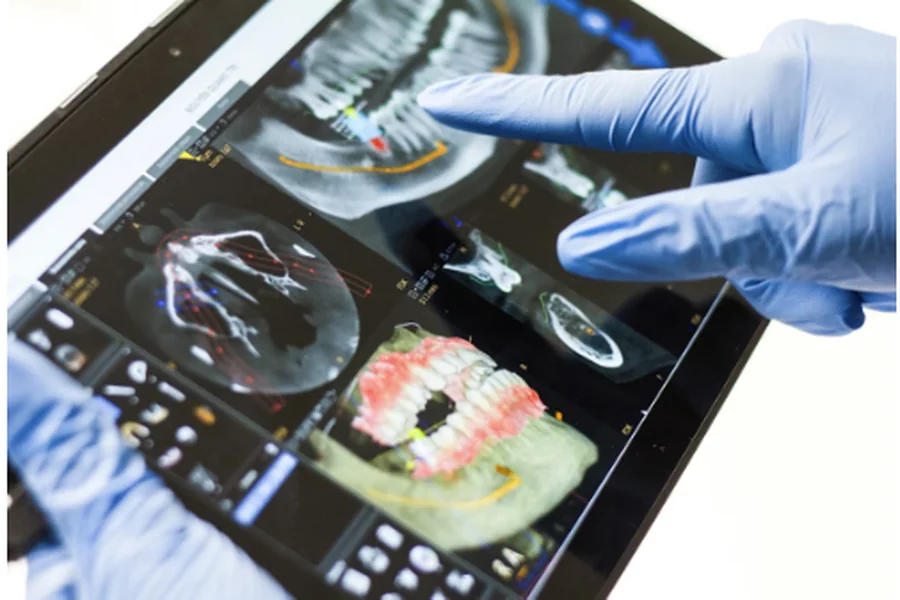
Professional monitoring becomes especially important with any tooth replacement. Implants need periodic X-rays to verify continued bone integration and assess for any complications. Bridges require careful examination of the margins where crowns meet natural teeth — areas prone to decay if oral hygiene falters. Dentures need regular adjustments as the underlying tissues change shape over time.
The long-term success of any tooth replacement depends heavily on the patient’s commitment to maintenance and regular dental visits. Those who maintain excellent oral hygiene and keep regular appointments often exceed the average lifespan expectations for their chosen replacement method, while those who neglect care may experience complications regardless of which option they select.
Rather than viewing tooth replacement as a one-time decision, consider it the beginning of a long-term relationship between you, your chosen restoration, and your oral health routine. The option that best fits your current situation and your willingness to maintain it will serve you well for decades to come.