
America’s Neighborhood Streets Are Becoming Increasingly Dangerous for Children
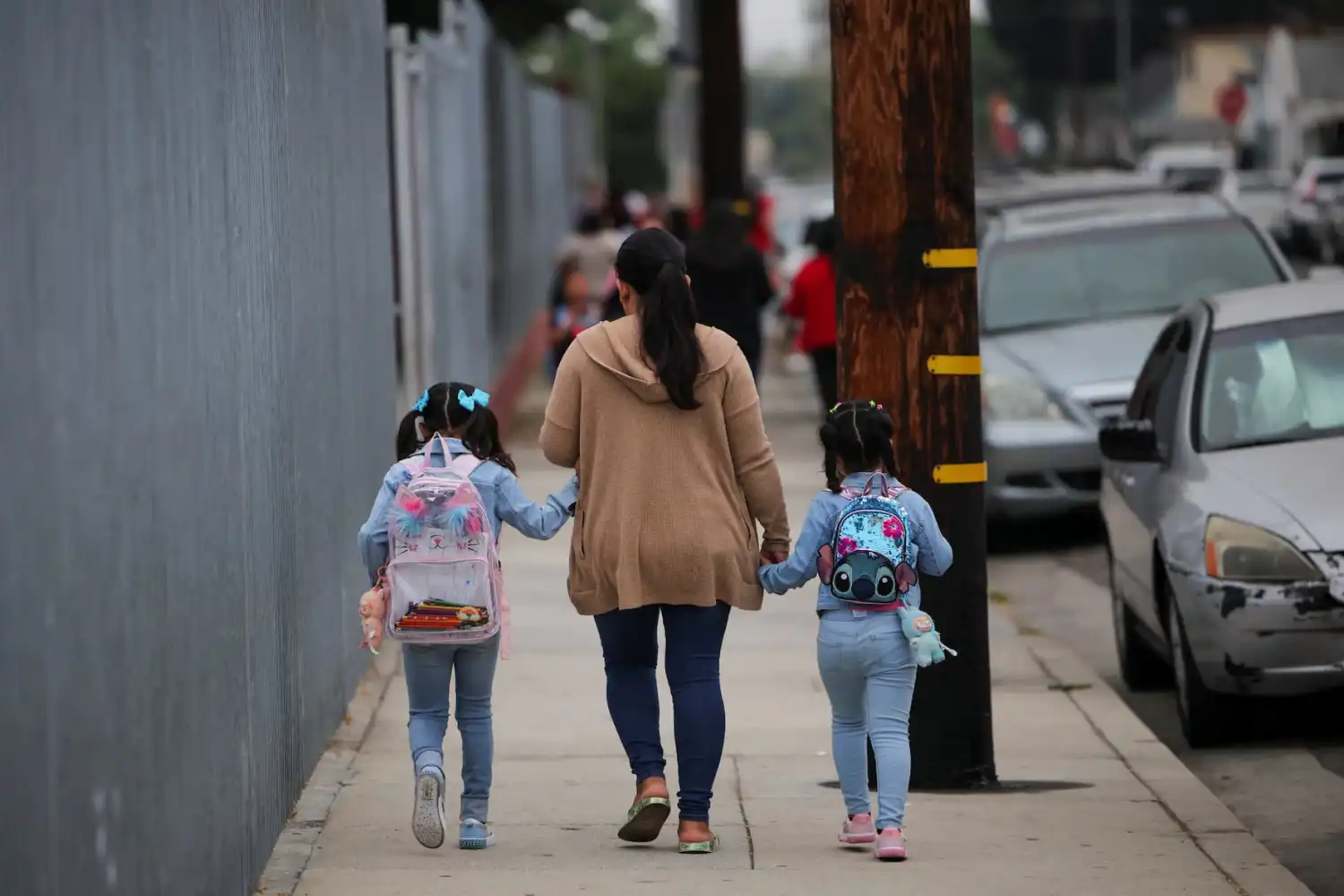
Children are facing growing dangers on neighborhood roads across the United States, and new research conducted by Jones and Swanson suggests speeding on residential streets may be playing a major role.
The study, released in recognition of “Keep Kids Alive Drive 25 Day,” examines where children are most vulnerable to pedestrian crashes and how speeding, larger vehicles, and changing traffic patterns are contributing to rising fatality risks in areas traditionally viewed as safe.
The findings align with a troubling national trend. Between 2009 and 2023, pedestrian fatalities in the United States increased by roughly 80%, significantly outpacing the growth in overall traffic deaths during the same period. While traffic fatalities overall rose approximately 13%, pedestrian deaths accelerated at a dramatically higher rate, indicating that walkers — particularly children — are increasingly exposed to severe roadway risks.
Children between the ages of 5 and 19 remain especially vulnerable because they are more likely to walk near schools, parks, playgrounds, bus stops, and neighborhood intersections. Unlike adults, children often struggle to accurately judge vehicle speed and distance, while drivers frequently fail to anticipate sudden child movement near residential streets.
Neighborhoods themselves are becoming more hazardous environments.
The study found that sidewalks, intersections, school zones, driveways, and residential travel lanes all present elevated risks for children. School zones remain particularly concerning because they combine heavy pedestrian activity with congestion, distracted driving, and speeding violations during peak drop-off and pickup hours.
Driveways also represent a surprisingly dangerous location for young children. In many backover crashes involving children, drivers are reportedly unaware the child is even behind the vehicle before impact occurs.
Vehicle design trends are further amplifying the danger.
The growing dominance of SUVs and pickup trucks on American roads has substantially changed pedestrian crash outcomes. Larger vehicles sit higher off the ground and often create larger front-end blind zones, making it harder for drivers to see small children standing or moving nearby.
According to the research, light trucks accounted for a majority of pedestrian fatalities involving known vehicle types in recent years, surpassing passenger cars by a significant margin. Transportation safety researchers have repeatedly found that crashes involving SUVs and pickups are more likely to cause severe or fatal injuries to pedestrians due to both vehicle height and impact force.
Speed itself remains one of the most important variables in survival rates.
The difference between 25 mph and 35 mph can mean the difference between a survivable collision and a fatal one. Studies consistently show that pedestrian fatality risk rises sharply as vehicle speed increases, particularly for children whose smaller bodies absorb proportionally greater crash forces.
Residential streets may appear safer than highways because traffic volumes are lower, but fatality rates per mile traveled on local roads are often substantially higher. The reason is proximity: children live, walk, bike, and play directly alongside traffic in neighborhoods every day.
Many drivers also underestimate how common neighborhood speeding has become.
Research tied to the “Drive 25” campaign has found that a large percentage of residential speeders actually live within the same communities where they are speeding. In other words, neighborhood traffic risks are frequently created by local drivers themselves rather than outside commuters.
The study also highlights infrastructure concerns that vary significantly by region. Some neighborhoods lack sidewalks altogether, while others feature wide residential roads that psychologically encourage higher driving speeds. Poor lighting, faded crosswalks, inadequate signage, and limited traffic calming measures can further increase risks for child pedestrians.
The danger becomes even greater in communities where population growth has outpaced roadway redesign. Many suburban areas originally designed for lower traffic volumes now experience far heavier daily vehicle activity while still maintaining outdated pedestrian infrastructure.
Researchers also noted that many child pedestrian crashes occur in locations families consider routine or familiar. Unlike highway crashes, which often involve long-distance travel or hazardous weather conditions, neighborhood pedestrian crashes frequently happen close to home.
That familiarity may contribute to reduced driver vigilance.
Parents and safety advocates continue to push for stronger traffic calming measures nationwide, including lower residential speed limits, raised crosswalks, speed humps, curb extensions, flashing school-zone signals, and improved sidewalk separation from roadways.
Behavioral changes among drivers remain equally important.
Safety experts consistently identify distraction, speeding, fatigue, and impaired driving as recurring factors in child pedestrian deaths. Even brief distractions — such as checking a phone notification while driving through a residential street — can eliminate the reaction time needed to avoid striking a child entering the roadway unexpectedly.
The study ultimately frames neighborhood speeding not as a minor traffic violation but as a significant public safety issue with potentially fatal consequences for children.
As pedestrian fatalities continue rising nationally, the data suggests residential roads may require far more attention from transportation planners, local governments, and drivers themselves. Streets built around vehicle speed rather than pedestrian safety increasingly place children at risk in the very places they are supposed to feel safest.