
Artificial Teeth: Types, Options, and Everything You Need to Know
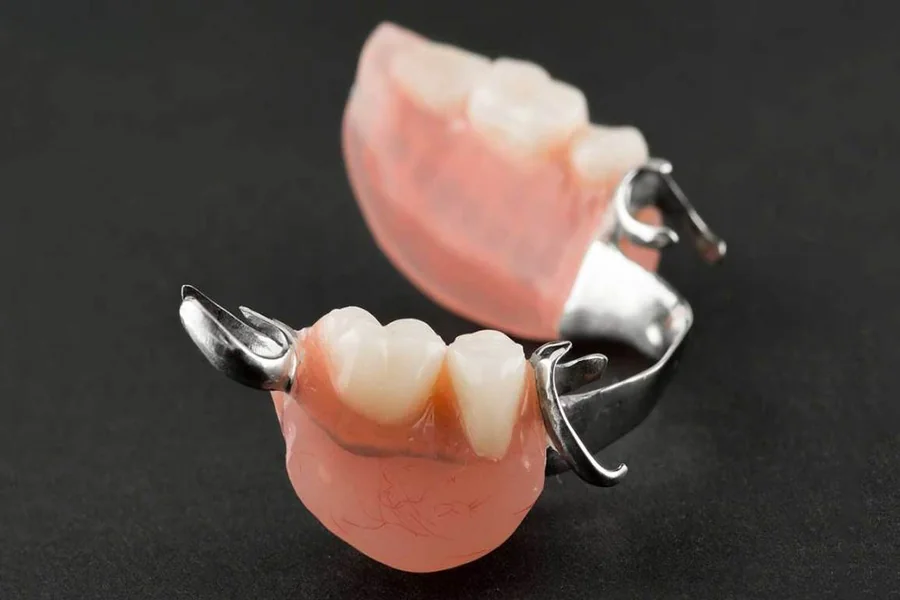
Losing a tooth changes your life in many ways. It changes how you speak, how you bite, and also how confident you feel in everyday situations. Most people know that they need artificial teeth. But they are confused about what the options actually are.
But people are not at fault. There are several types of artificial teeth, which might be confusing. Each type is made up of different materials and used for different situations, and knowing which is what makes the whole decision considerably less overwhelming.
Here is everything you should know before visiting the dentist.
What Are Artificial Teeth Called?
This is where the confusion usually starts. There are many types of artificial teeth, each with its own name, and many of them use these names without much explanation. The most common types that patients hear the most about are dental implants, dental bridges, dentures, and dental crowns. Each one solves a different problem.
So, Which Type of Artificial Tooth is Best?
Everyone has this question. And the honest answer is that there is no single best artificial tooth. The dentist recommends what type you need according to your problems and needs. But it is necessary to understand what each type actually is.
Dental Implants
The dental implant is the best type of artificial teeth that dentists have provided till now. It replaces both the crown and root of the teeth. A titanium post is placed into the jawbone where the missing tooth root used to be. The bone fuses with it over time. A crown is placed on top of the post. The result is an artificial tooth that functions, looks, and feels like a real tooth. The dental implant doesn’t move, doesn’t require to alter any neighbouring teeth, and stimulates the jawbone the way a natural root does, preventing bone loss.
They’re the longest-lasting option available. They’re also the most expensive and require surgery and a healing period that runs several months. For the right patient, who has adequate bone, good general health, and willing to commit their time to the treatment. This will be the most reliable long-term investment on their list.
Dental Bridges
A dental bridge fills the gap without surgery. An artificial tooth is held in place by crowns cemented onto the natural teeth on either side. Just two appointments are needed for most of the cases. They are fixed permanently in the mouth. Full function will be restored from the day it’s placed.
The neighbouring teeth need to be reshaped to accommodate those crowns. And because nothing is present in the bone beneath the artificial tooth, some bone loss in that area does occur over time. For patients who need a tooth replacement without surgery, or for whom a dental implant can’t be fixed due to any medical reasons, a dental bridge is a proven and reliable solution.
Dentures
These are of two types, complete dentures and partial dentures. They are removable. They need to be taken out at night and placed back in the mouth the next morning after proper cleaning. Due to the advancement of technology, these days, dental clinics tie up with premium dental labs like Illusion Dental Lab, among others, which makes dentures that look more natural than the older ones, and the problem of stability with traditional dentures is also solved with the advent of implant-supported dentures.
Dentures are the most cost-effective option. But the patients take a longer period of time to get used to the dentures than the fixed ones, and require more maintenance. Still, they are the best option for patients who need full arch replacement but are suffering from bone loss.
Zirconia Dental Crowns
Zirconia is the material most dentists recommend for the dental crowns. They are strong enough to withstand heavy bite forces, and natural-looking enough that it matches surrounding teeth without the dark gumline that older dental crowns will develop over time.
Here is the table to understand the difference between each of these types clearly.
| Option | What It Replaces | Fixed or Removable | Surgery | Best Suited For |
| Dental Implant | Entire missing tooth | Fixed | Yes | Long-term replacement |
| Dental Bridge | One or more missing teeth | Fixed | No | Quick fixed solution, healthy neighbours |
| Dentures | Multiple or all teeth | Removable | No | Full arch or multiple tooth loss |
| Zirconia Crown | Damaged tooth still present | Fixed | No | Restoring a damaged tooth |
How Long Do Artificial Teeth Last?
This depends on the type of artificial teeth.
Dental implants are the ones that last the longest. Dental implants can last an entire lifetime when properly cared for. The titanium post, once completely fused into the bone, rarely fails. The dental crown placed on the dental implant might need to be replaced after 15 to 20 years, depending on the material used to make it and your oral hygiene. Dental implants last longer when you follow good oral hygiene habits, visit the dentist regularly, and do not smoke.
Dental Bridges and dental crowns last for 10 to 20 years. It depends on the material that the dental bridge is made of. Zirconia, especially, resists chipping and discolouration in ways that other materials can’t. The other thing that affects the dental bridge’s lifespan is what is happening to the natural teeth under the crowns. The natural teeth under the dental crown can develop decay quietly. Cleaning under the dental bridge every day is the single most important thing a patient can do to extend their life.
Dentures last 5 to 10 years on average before needing replacement or adjustments. The lifespan of dentures is shorter because the mouth changes as the bone shrinks. The dentures, which fitted well initially, becomes loose after some years. So, it is very important to visit the dentist regularly for check-ups as this allows the dentist to monitor your fit and make adjustments before the changes affect the function.
How to Take Care of Artificial Teeth
This is the part most patients ignore. And it is the reason why most artificial teeth fail early.
Dental implants need to be cleaned just like natural teeth. Brush the dental implant along with the remaining teeth twice a day, and flossing should also be done around the base of the implant after brushing. The Dental implant can not decay. But the tissues surrounding the dental implant can become infected with a disease called peri-implantitis. This destroys the bone holding the Dental implant if proper maintenance is not done.
If you have dental bridges, then you need to clean the gap under the artificial tooth every single day. You must use a floss threader, water flosser or interdental brush, one of them consistently every day. This is the space where debris collects most. Ignoring it is the most common reason why dental bridges fail.
Dentures need to be removed and cleaned daily with a soft toothbrush using a denture cleaner, not regular toothpaste. The dentures should be removed at night before sleeping to make them last longer.
Dental crowns should be cleaned by brushing and flossing twice a day like a normal teeth. The tooth inside the dental crown can decay. The plaque accumulates more in the margin where the dental crown touches the gum, so this place should be cleaned well.
The Bottom Line
Every artificial tooth option on this list works when it’s the right one for the right case, placed well, and taken care of properly. None of them works particularly well when they’re the wrong choice for the situation, or when the patient stops paying attention after placement.
The decision starts with a proper checkup by the dentist, not a guess based on what a friend had done or what seems cheapest upfront. Your mouth is specific. Your treatment should be too. Don’t put it off longer than you already have.