
Backyard Events Done Right: Your Guide to Elevating Comfort for Every Guest
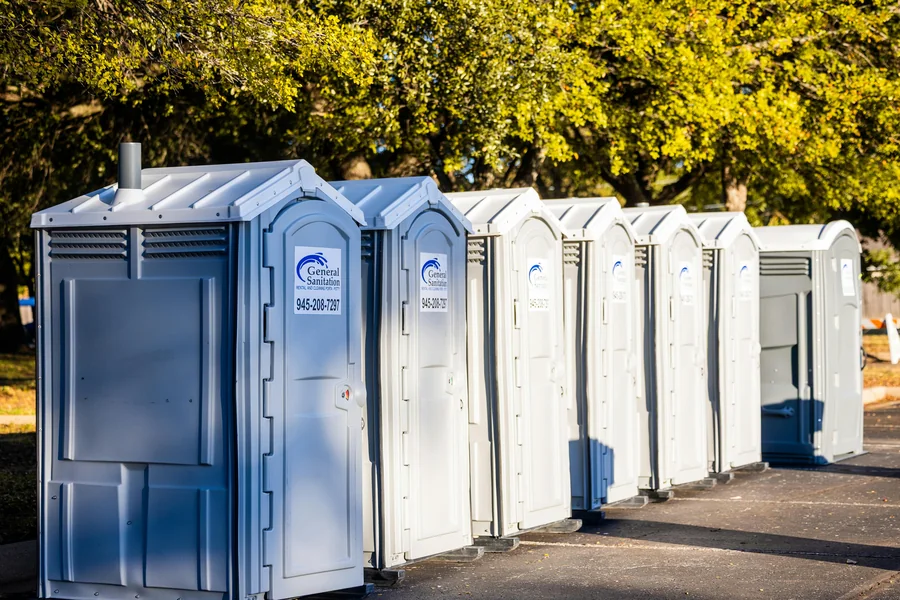
Someone always ends up asking to use the bathroom inside, even when you thought you had planned everything. It usually happens right when the food is out, people are settled, and you finally sit down for a second. Then it starts to feel like your house is part of the event, whether you wanted that or not.
In Portland, outdoor gatherings are a regular part of the lifestyle, especially when the weather holds up. Backyards are used for small dinners, weekend get-togethers, and casual celebrations that do not need much formality. There is a certain ease to it that people enjoy. It feels less structured, more open, and a bit more personal than hosting indoors.
Comfort Is Not Just Seating and Shade
Most people focus on the obvious things first. Chairs, tables, maybe a tent if the weather looks uncertain. Those matter, but they are only part of the picture. Comfort is a system, not a checklist, and it tends to break down in the same places every time.
Then, there is timing. Food comes out, drinks follow, and suddenly there is a line somewhere. These small delays add up. People adjust, but the flow changes, and it becomes noticeable.
Accessibility and Quiet Logistics
Accessibility is often treated as optional, something to figure out if needed, rather than something to plan for from the start. In reality, accessibility shapes how comfortable people feel the moment they arrive. If someone has to ask for help just to move around or use basic facilities, the tone of the event shifts. It becomes less about enjoying the space and more about navigating it.
In some areas, there are practical solutions that make this easier to handle without turning it into a big discussion. For example, American SaniCan provides wheelchair accessible porta-potties in the Portland area, which gives hosts a way to cover an essential need without relying on indoor access or last-minute adjustments. It is one of those details that works best when no one has to think about it during the event.
Guests rarely complain out loud, but small gaps in comfort show up in quiet ways. People leave early, or they stick to one corner, or they keep asking simple questions that should not need asking. Good hosting is not about doing more. It is about noticing what tends to go wrong and fixing it before anyone has to point it out.
Flow Matters More Than You Expect
There is a difference between a full backyard and a crowded one. It often comes down to how things are arranged rather than how many people are there. When everything is pushed too close together, conversations overlap in a way that feels forced. When there is a bit of space, people settle in more naturally.
It helps to think in zones, even if the yard is not that large. A place for food, a place to sit, and a place to stand and talk without holding a plate. These zones do not need signs or labels. They just need to feel obvious when someone walks in.
Sound plays a role here too. Music that feels fine at the start can become too much once the space fills up. It is rarely adjusted because no one wants to interrupt the flow. Still, it affects how people interact. Lowering it slightly often makes conversations easier, which tends to keep people around longer.
The Small Things People Remember
Guests rarely remember the menu in detail, but they remember how easy or difficult things felt. Was there enough lighting when the sun went down? Could they find what they needed without asking? Did the space feel welcoming or slightly tense?
Lighting is one of those details that gets overlooked until it is too late. String lights, small lamps, or even well-placed outdoor bulbs can change how a space feels after dark. Without them, people start to cluster near whatever light is available, and parts of the yard go unused.
Temperature is another quiet factor. On warm days, shade matters more than people expect. On cooler evenings, even a simple heat source can make a difference. Guests adjust, but again, the experience shifts in subtle ways.
Planning Without Overplanning
There is a point where too much planning starts to show. The event feels controlled instead of comfortable. The goal is not to manage every moment, but to remove the common points of friction so everything else can happen on its own.
This means accepting that not everything will be perfect. Someone will spill something. A chair will be in the wrong place. These things do not matter as much as the overall feeling of ease. When the basics are handled well, small issues stay small.
It also helps to step back during the event and watch how people move and interact. Patterns become clear quickly. You might notice a corner that no one is using or a spot where people keep gathering. These observations are useful for next time, even if you cannot fix them in the moment.
A well-run backyard event does not draw attention to itself. It feels simple, even if it was not. Guests move through the space without thinking about it. They stay longer than they planned. They leave without feeling rushed or uncomfortable.