
Best Practices for Sustainable Tree Care in Milwaukee County
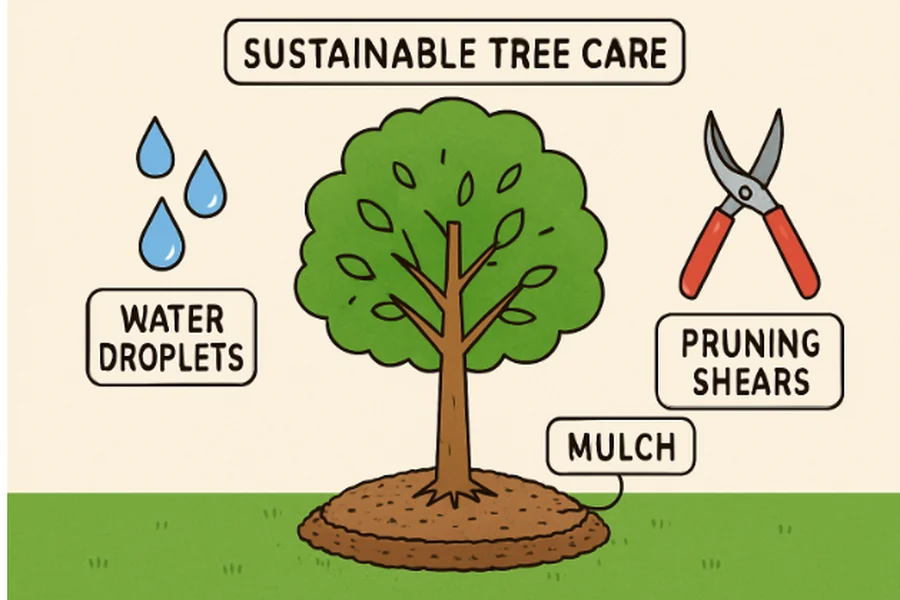
Key Takeaways
- Regular pruning promotes tree health and safety.
- Proper watering techniques are essential, especially for young trees.
- Mulching helps retain soil moisture and suppresses weeds.
- Monitoring for pests and diseases prevents widespread issues.
- Engaging with local tree care professionals ensures expert maintenance.
Maintaining a healthy urban forest is vital for the environmental and social well-being of Milwaukee County. Proper tree care enhances air quality, provides shade, and contributes to the overall aesthetic of our communities. For residents seeking professional assistance, Crawford Tree & Landscape Services, Inc. offers quality tree service in Milwaukee County. Established in 1969, this locally-owned company is accredited by the Tree Care Industry Association and employs ISA-Certified Arborists, ensuring expert care tailored to the region’s unique needs.
Regular Pruning for Health and Safety
Pruning is crucial for removing dead or diseased branches, which can pose safety hazards and hinder tree growth. The City of Milwaukee’s Forestry Services manages a diverse population of street trees, ensuring they are pruned every 5 years to maintain their health and structural integrity.
Proper Watering Techniques
Young trees depend on regular watering to develop deep, extensive root systems that support healthy growth. During the growing season, supplying approximately 5 to 10 gallons of water per week helps maintain proper soil moisture. However, balance is essential; overwatering can suffocate roots and encourage fungal issues, while underwatering may cause stress and stunt development. Monitoring soil conditions and adjusting irrigation based on weather ensures trees remain resilient, stable, and disease-resistant over time.
Mulching to Retain Moisture
Applying a 2–4-inch layer of mulch around the base of a tree is an effective way to support healthy growth and long-term vitality. Mulch helps retain soil moisture, reduce evaporation, regulate soil temperature, and limit weed competition for nutrients and water. It also improves soil structure as it breaks down over time. However, keep mulch several inches away from the trunk to prevent excess moisture buildup, which can lead to bark decay, disease, and pest problems.
Monitoring for Pests and Diseases
Routine tree inspections help detect early warning signs of pest infestations, fungal infections, and structural weaknesses before they escalate into serious problems. Identifying issues at an early stage allows for timely treatment, reducing the risk of widespread damage and costly removals. Milwaukee’s urban forestry programs actively monitor tree health to protect the city’s canopy and maintain environmental balance. Proactive management, combined with consistent maintenance, strengthens resilience against threats while preserving the long-term vitality and safety of public and private landscapes.
Engaging with Local Tree Care Professionals
For comprehensive tree care, consider consulting with local experts. Crawford Tree & Landscape Services, Inc. offers quality tree service in Milwaukee County. Established in 1969, this locally-owned company is accredited by the Tree Care Industry Association and employs ISA-Certified Arborists, ensuring expert care tailored to the region’s unique needs.
Community Involvement in Tree Planting
Participating in local tree planting programs is a meaningful way to strengthen the urban canopy and support environmental sustainability. Milwaukee’s $12 million urban forestry grant focuses on planting and maintaining trees in disadvantaged neighborhoods to promote greener, healthier communities. Expanding tree coverage improves air quality by filtering pollutants, reduces urban heat through natural shade, and enhances neighborhood aesthetics. Community involvement in these initiatives helps ensure long-term growth, resilience, and shared responsibility for preserving and improving local green spaces.
Adopting Sustainable Landscaping Practices
Incorporating native plants into your landscape and minimizing expansive lawn areas helps create a healthier environment for trees and surrounding vegetation. Native species are naturally adapted to local soil and climate conditions, requiring less water and maintenance while reducing competition for nutrients and space. Sustainable landscaping practices also improve soil structure, support pollinators and wildlife, and lower long-term upkeep costs. Together, these strategies enhance biodiversity and promote stronger, more resilient outdoor spaces.
Frequently Asked Questions
How often should mature trees be pruned?
Mature trees typically require pruning every 3-5 years to maintain their structure and health. However, specific needs can vary by tree species and local conditions.
What are the signs that a tree may be diseased?
Common indicators include discolored leaves, unusual leaf drop, visible fungi, and dead branches. If you notice these signs, it’s advisable to consult a professional arborist.
Can I plant a tree near utility lines?
It’s essential to choose tree species suitable for planting near utility lines to prevent future conflicts. Consulting with local forestry services can help determine appropriate options.
By following proven tree care practices, residents of Milwaukee County can actively support the growth and preservation of a healthy urban forest. Proper pruning, timely disease management, responsible watering, and professional inspections all help maintain strong and resilient trees. Community participation in tree planting and maintenance initiatives further strengthens local green spaces and enhances neighborhood appeal. Consistent care and awareness ensure that trees continue delivering environmental, economic, and aesthetic benefits for current residents and future generations alike.