
Breaking Cycles: Realistic Steps Toward Sustainable Addiction Recovery
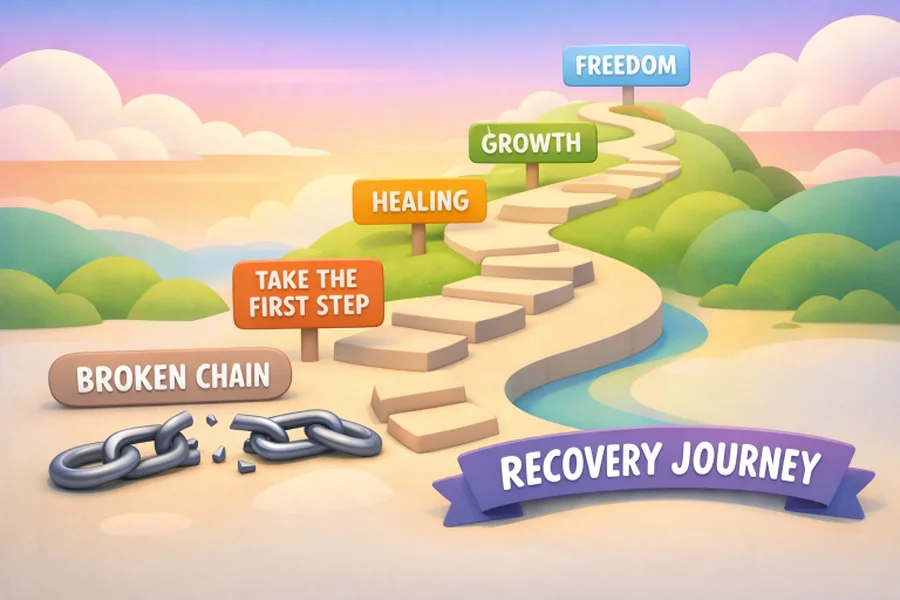
Table of Contents
- Understanding the Addiction Cycle
- Seeking Professional Help
- Building a Support Network
- Identifying and Managing Triggers
- Developing Healthy Coping Mechanisms
- Prioritizing Self-Care
- Embracing Harm Reduction Strategies
- Conclusion
Embarking on the journey to overcome addiction is a courageous choice. While the initial decision is crucial, sustaining recovery depends on a series of practical strategies and ongoing commitment. For individuals seeking to begin or maintain their sobriety, having access to supportive resources like rehab in Massachusetts can make a significant difference in building a lasting foundation for change.
Recovery is not a linear process; it requires a nuanced understanding of how habits form, why relapses occur, and the tools available to manage them. Individuals must recognize that sustainable recovery is built through daily actions, robust support systems, and a willingness to adapt when setbacks arise.
Far from a solitary effort, sustainable recovery thrives on accountability, professional guidance, and the development of new life skills that replace destructive behaviors. By incorporating diverse approaches tailored to personal needs, anyone navigating recovery can find strategies that resonate with their unique journey and circumstances.
Most importantly, everyone’s path to recovery is different, and flexibility in approach can empower each individual to make choices that align with their strengths and values. Optimism grows from a realistic belief that cycles can be broken and that new, healthier patterns can be achieved through persistent effort and support.
Understanding the Addiction Cycle
Addiction follows a predictable yet powerful cycle where cravings lead to substance use, followed by negative consequences. This cycle, once established, can feel inescapable and become deeply ingrained. Breaking this pattern begins with a clear understanding of its mechanisms. Researchers suggest that awareness, recognizing when cravings emerge and which situations or emotions trigger them, empowers individuals to intervene before old patterns take over. According to the National Institutes of Health, understanding the neurological and behavioral aspects of addiction guides effective intervention and relapse prevention.
Seeking Professional Help
No one should have to face addiction alone. Mental health professionals, therapists, and counselors can provide valuable support through evidence-based therapies such as Cognitive Behavioral Therapy (CBT), motivational interviewing, and trauma-informed care. With guidance, individuals can address the root causes of substance use, manage co-occurring mental health issues, and develop tailored recovery plans. Recent advancements highlighted in Frontiers in Public Health emphasize constructive alternatives to replace destructive behaviors and recovery goals.
Building a Support Network
Community is a vital aspect of recovery. Building a network of supportive friends, family members, and peers fosters a sense of accountability and reduces isolation. Support groups like SMART Recovery and similar organizations provide a safe space for individuals to share experiences and exchange encouragement. Local resources, such as programs provided by Breaking Chains Recovery, organize free meetings that promote collective healing and solidarity. These networks can sustain motivation during setbacks and celebrate progress during times of achievement.
Identifying and Managing Triggers
Triggers are often unique to each person but commonly include stress, certain social environments, and specific emotional states. Proactively identifying personal triggers through honest self-reflection or with the help of a professional is an essential recovery strategy. Preventative approaches, like planning how to respond to high-risk situations or learning to recognize early warning signs, equip individuals to make informed choices and avoid situations that could lead to relapse. The Psychology Today guide to addiction recovery offers practical tools for analyzing and managing common triggers.
Developing Healthy Coping Mechanisms
Real change happens when destructive behaviors are replaced by constructive alternatives. Activities like exercise, mindfulness meditation, creative pursuits, or volunteering not only fill the time but also offer new sources of joy and fulfillment. Personalized strategies, including mobile apps that deliver structured relapse prevention interventions, have proven helpful. Research on digital health solutions, such as the findings reported in the article “Addict Free – A Smart and Connected Relapse Intervention Mobile App,” suggests that technology can support individuals through reminders, tracking, and tailored encouragement.
Prioritizing Self-Care
Self-care is the foundation for resilience in recovery. Prioritizing healthy habits, such as maintaining balanced nutrition, consistent sleep, and regular exercise, improves both physical and mental well-being. Incorporating relaxation techniques, mindfulness practices, or even simple daily routines can foster a sense of stability. Teaching the mind and body new ways to handle stress or discomfort enhances emotional regulation and increases confidence in managing life’s challenges.
Embracing Harm Reduction Strategies
Harm reduction recognizes that recovery is not always linear. For some, reducing harmful behaviors gradually is more attainable than immediate abstinence. Practical harm reduction tools, like supervised consumption facilities, access to naloxone, or safe-use education, save lives and support incremental progress. Recent public health data reported by the New York Times illustrates the crucial role of harm reduction programs in reversing overdoses and reducing the stigma of seeking help.
Conclusion
The pursuit of sobriety is a multifaceted process that blends self-awareness, accessibility to support systems, and resourceful coping strategies. By understanding the addiction cycle, accessing professional treatment, leveraging supportive communities, managing triggers, cultivating new coping mechanisms, upholding self-care, and embracing pragmatic harm reduction, individuals can build a pathway not just to sobriety but to a thriving and sustainable new life. Each step, no matter how small, is a meaningful part of the journey toward lasting recovery.