
Car Battery Recycling: Safe Disposal Guide
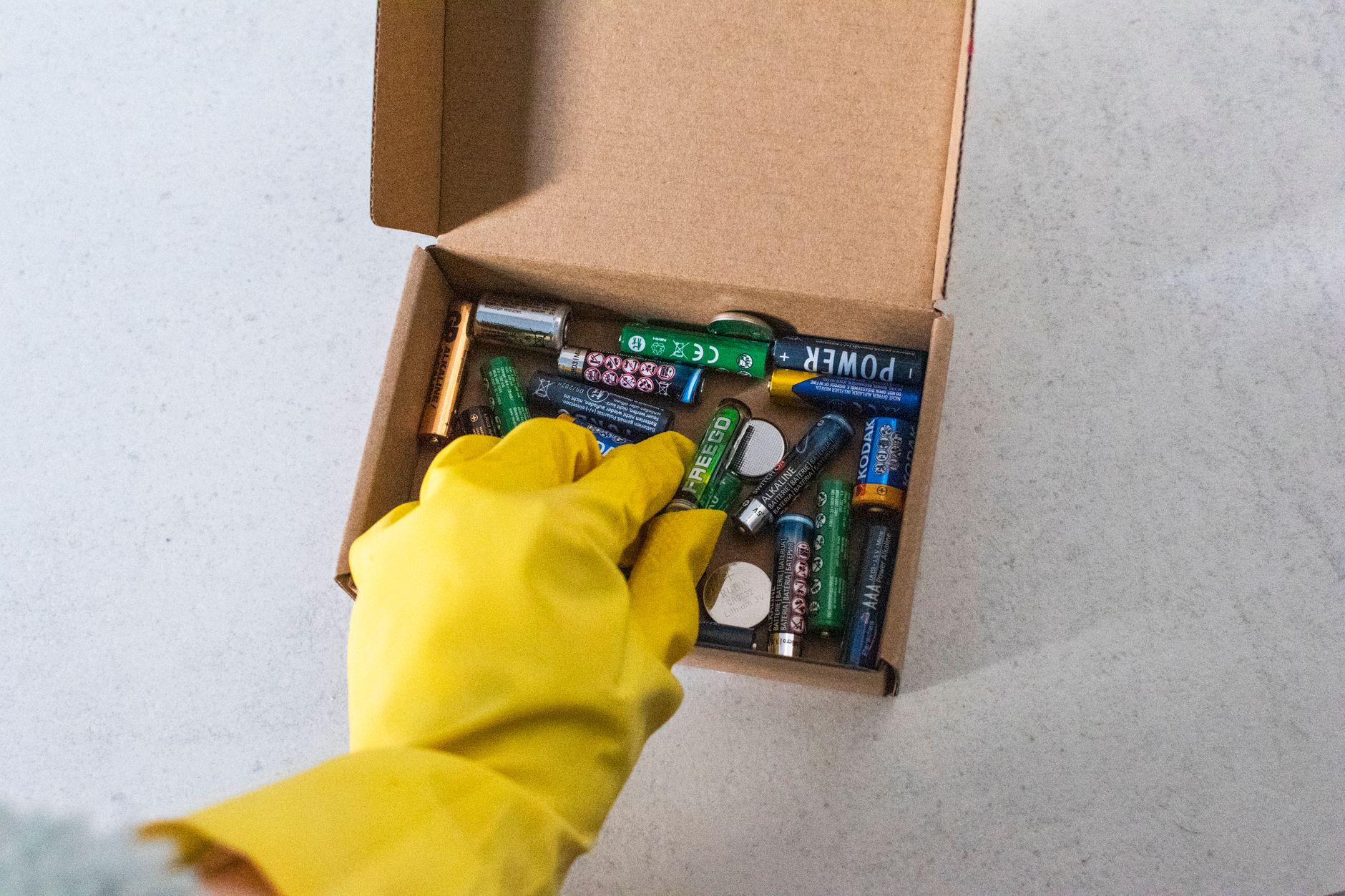
Car Battery Recycling: How to Safely Dispose of Old Car Batteries
Car battery recycling is an essential part of responsible vehicle maintenance and environmental protection. Whether you own a personal vehicle, operate an automotive repair shop, or manage a commercial fleet, knowing how to recycle old car batteries helps keep potentially harmful materials out of the environment.
Every vehicle battery eventually reaches the end of its useful life. Over time, batteries lose their ability to hold a charge, making replacement necessary. While installing a new battery is relatively straightforward for an automotive professional, deciding what to do with the old one is just as important.
Traditional car batteries contain lead, sulfuric acid, and plastic components that require appropriate handling. When discarded improperly, these materials can contribute to pollution and create unnecessary safety risks.
Fortunately, car battery recycling provides a practical solution. By collecting and processing used batteries through appropriate recycling channels, individuals and businesses can support responsible waste management while reducing the number of batteries entering landfills.
In this guide, we will explore why recycling matters, how the process works, where to recycle old automotive batteries, and how professional recycling services can make disposal more convenient.
What Is Car Battery Recycling?
Car battery recycling is the process of collecting used or depleted vehicle batteries and processing their components for responsible handling and potential reuse.
Most traditional gasoline-powered vehicles use lead-acid batteries to start the engine and supply electricity to essential automotive systems.
These batteries contain several different materials, including lead plates, an electrolyte solution, and durable plastic casings.
When a battery stops functioning properly, its components do not simply disappear. They remain inside the battery and require proper management.
Through car battery recycling, used batteries are transported to facilities equipped to separate and process their materials.
This process helps keep automotive batteries out of general waste streams and provides a more environmentally responsible way to manage them.
What Materials Are Found Inside Car Batteries?
Understanding what car batteries contain helps explain why recycling is important.
Lead Components
Traditional automotive batteries contain lead plates and other lead-based components that support the battery's ability to store and deliver electricity.
Lead requires careful handling because exposure can pose health and environmental concerns.
Sulfuric Acid
The electrolyte in a conventional lead-acid battery consists of a sulfuric acid solution.
If a battery becomes damaged or begins leaking, this liquid can create handling hazards.
Plastic Casings
Most car batteries have durable plastic housings designed to protect their internal components.
During recycling, suitable plastic materials can be separated and processed for further manufacturing applications.
Metal Connections
Battery terminals and other internal components may contain additional metals that can be separated during processing.
Together, these materials make automotive batteries particularly suitable for specialized recycling.
Why Is Car Battery Recycling Important?
Millions of vehicles rely on batteries for daily transportation. As those batteries age and require replacement, proper disposal becomes an ongoing environmental responsibility.
Car battery recycling helps address several concerns associated with used automotive batteries.
Preventing Environmental Pollution
One of the primary reasons to recycle car batteries is to reduce the risk of environmental contamination.
Lead and sulfuric acid can be harmful when released into soil or water.
If a discarded battery is damaged during ordinary waste handling, its contents may escape from the protective casing.
Recycling facilities are equipped to manage battery components through dedicated processing methods.
By choosing appropriate recycling services, individuals and businesses can help reduce unnecessary pollution.
Keeping Batteries Out of Landfills
Automotive batteries are heavy, durable products containing materials that should not be mixed with everyday trash.
When used batteries are collected separately, they can be directed into recycling systems rather than ordinary waste disposal.
According to the U.S. Environmental Protection Agency, lead-acid batteries are among the most successfully recycled consumer products in the United States.
That strong recycling history demonstrates how organized collection and processing can make a meaningful difference in waste reduction.
Supporting Material Recovery
Traditional automotive batteries contain materials that can be separated and processed for use in additional manufacturing.
For example, recycled lead can be refined for manufacturing applications, while suitable plastic casing materials may be processed into new products.
Car battery recycling supports a circular approach by keeping materials in productive use rather than treating an entire battery as disposable waste.
Encouraging Responsible Vehicle Maintenance
Vehicle maintenance involves more than oil changes, tire replacements, and engine inspections.
Battery replacement is another opportunity for drivers and businesses to make environmentally conscious decisions.
Establishing a consistent recycling routine helps ensure depleted batteries are handled appropriately whenever new units are installed.
What Types of Car Batteries Can Be Recycled?
Not every vehicle uses the same battery technology. Different battery types have different chemical compositions and recycling requirements.
Understanding these differences helps ensure batteries reach suitable processing facilities.
Lead-Acid Car Batteries
Lead-acid batteries are commonly used in traditional passenger vehicles, trucks, motorcycles, and commercial equipment.
They provide the high electrical output required to start combustion engines.
These batteries are widely recycled because established processes can separate their lead, plastic, and electrolyte components.
Absorbent Glass Mat Batteries
Absorbent Glass Mat batteries, often called AGM batteries, are a type of lead-acid battery.
They are frequently found in newer vehicles with additional electronic features or automatic start-stop systems.
AGM batteries use a fiberglass separator to hold the electrolyte, creating a different internal construction from conventional flooded batteries.
Despite these differences, appropriate recycling facilities can process their lead-acid components.
Gel Cell Batteries
Gel cell batteries also use lead-acid technology but contain an electrolyte with a gel-like consistency.
These batteries may be found in certain motorcycles, specialty vehicles, and recreational equipment.
They require appropriate identification and handling during collection.
Lithium-Ion Vehicle Batteries
Lithium-ion batteries are commonly associated with electric and hybrid vehicles.
Unlike traditional lead-acid starting batteries, larger lithium-ion battery packs can be complex and require specialized equipment for removal and processing.
Owners should contact an appropriate automotive professional or battery recycling provider rather than attempting to dismantle these systems themselves.
Car battery recycling methods depend on the battery's chemistry, size, and condition.
How Does the Car Battery Recycling Process Work?
The process generally involves collection, sorting, safe transportation, and material separation.
While individual recycling facilities may use different equipment, the overall goal is to manage battery components responsibly.
Collection of Used Batteries
The process begins when used batteries are collected from drivers, auto repair shops, dealerships, fleet operators, or other organizations.
Smaller quantities may be returned to participating battery retailers.
Businesses generating larger volumes may arrange collection through a professional recycling company.
Sorting and Battery Identification
Once collected, batteries are identified according to their chemistry and construction.
Separating traditional lead-acid batteries from lithium-ion and other battery types helps ensure they enter suitable recycling channels.
Damaged batteries may also require additional attention before transportation.
Separation of Battery Components
At an appropriate processing facility, lead-acid batteries can be broken down using specialized equipment.
This allows the lead-containing materials, electrolyte, and plastic casing to be separated.
The process is performed in a controlled industrial setting rather than through manual dismantling by consumers.
Processing of Recovered Materials
After separation, suitable components undergo additional treatment.
Lead-containing materials may be refined for use in manufacturing, while plastic can be cleaned and processed for potential reuse.
Electrolyte is also managed through specialized treatment methods.
Car battery recycling helps make this process possible by ensuring old batteries are directed to suitable facilities.
Where Can You Recycle Old Car Batteries?
There are several ways to recycle an automotive battery, depending on whether you are an individual driver or an organization managing multiple vehicles.
Automotive Parts Retailers
Many automotive parts stores accept used lead-acid vehicle batteries.
These retailers often have established collection arrangements for batteries removed during replacement.
Before visiting, contact the store to confirm accepted battery types and drop-off procedures.
Automotive Repair Shops
Repair facilities frequently manage used batteries as part of routine vehicle maintenance.
If you have a new battery installed by a mechanic, ask whether the old unit can be collected for recycling.
This can eliminate the need to store or transport the battery yourself.
Dedicated Battery Recycling Providers
Professional recycling companies can be especially helpful for organizations generating larger quantities of batteries.
Auto repair businesses, vehicle dealerships, transportation companies, and fleet operators may need scheduled collection services rather than occasional retail drop-offs.
Companies such as EACR Inc. offer professional car battery recycling services designed to help individuals, businesses, and organizations manage used automotive batteries responsibly.
Working with a dedicated recycling provider can simplify collection, transportation, and recycling coordination.
How to Prepare an Old Car Battery for Recycling
Proper preparation helps reduce unnecessary handling risks and makes battery collection easier.
Although procedures vary by battery type, several precautions are useful when preparing traditional automotive batteries.
Inspect the Battery Before Handling
Check the battery for visible cracks, leaks, swelling, or other signs of damage.
A damaged battery should not be handled in the same manner as an intact battery.
If you notice leaking fluid or significant damage, contact an automotive professional or recycling provider for guidance.
Keep the Battery Upright
Traditional flooded lead-acid batteries should generally remain upright during storage and transportation.
This helps reduce the possibility of electrolyte leakage.
Use a stable, acid-resistant container or battery carrier appropriate for the particular battery.
Prevent Accidental Terminal Contact
Battery terminals can create an electrical hazard if they contact conductive objects.
Avoid placing tools, loose metal items, or other batteries directly across the terminals.
Follow the manufacturer's recommendations for terminal protection and transportation.
Avoid Opening the Battery
Never attempt to dismantle a car battery to separate its materials.
Battery recycling requires specialized equipment and appropriate handling procedures.
Leave material separation to qualified processing facilities.
Arrange Recycling Promptly
Rather than leaving an old battery in a garage, workshop, or outdoor storage area indefinitely, arrange collection when the battery is replaced.
Prompt recycling helps prevent unnecessary accumulation and reduces repeated handling.
Car Battery Recycling for Automotive Businesses
For automotive businesses, managing used batteries is a regular operational responsibility.
Repair shops, dealerships, transportation providers, and fleet maintenance facilities may replace batteries throughout the year.
As these batteries accumulate, businesses need an organized method for collection and removal.
Car battery recycling services can help simplify this process.
Auto Repair Shops
Automotive repair shops regularly replace worn-out batteries during maintenance appointments.
Without a dedicated collection arrangement, depleted batteries may begin occupying valuable workshop space.
A consistent recycling schedule allows repair facilities to remove old batteries and maintain organized work areas.
Vehicle Dealerships
Dealerships may generate used batteries through vehicle inspections, service appointments, and equipment replacements.
Coordinating collection with a recycling provider can help manage these materials more efficiently.
Commercial Fleet Operators
Businesses operating delivery vehicles, service trucks, transportation fleets, or company cars often manage numerous batteries.
Individual battery replacements may occur at different times, creating a continuous stream of depleted units.
Car battery recycling offers a way to consolidate collection and simplify battery removal across maintenance operations.
Automotive Salvage Facilities
Vehicle salvage operations may encounter batteries during dismantling or vehicle processing.
Separating batteries from other automotive components supports more organized material handling.
For facilities managing substantial quantities, working with a professional recycling company can be especially beneficial.
Common Mistakes to Avoid When Recycling Car Batteries
Although automotive battery recycling is well established, improper handling can still create unnecessary problems.
One common mistake is placing a used battery in ordinary trash or a household recycling container.
These collection systems are not intended for automotive lead-acid batteries.
Another mistake is attempting to drain battery acid before recycling. This creates unnecessary exposure risks and should be avoided.
Some people also leave old batteries outdoors, where they may experience weather exposure or accidental damage.
Mixing different battery chemistries without identification can create additional difficulties for recycling providers.
A responsible approach to car battery recycling involves keeping batteries intact, identifying their type, and arranging collection through an appropriate recycling channel.
How Often Should Car Batteries Be Replaced?
Most traditional car batteries last approximately three to five years, although actual lifespan varies considerably.
Environmental conditions, driving habits, electrical demands, and battery maintenance can all affect performance.
Vehicles exposed to excessive heat or frequent short trips may experience greater battery wear.
Common signs that a battery may need attention include:
- Slow engine cranking during startup
- Repeated difficulty starting the vehicle
- Dashboard battery warnings
- Noticeable corrosion around battery terminals
- Reduced battery performance during testing
- Physical swelling or visible damage to the battery housing
These symptoms do not always indicate that the battery itself is defective. Charging system problems and other electrical issues can produce similar warning signs.
A professional battery test can help determine whether replacement is necessary.
When a replacement is needed, car battery recycling provides a responsible way to manage the depleted unit.
The Environmental Benefits of Professional Car Battery Recycling
Professional recycling services play an important role in managing batteries that contain potentially harmful materials.
Rather than treating depleted batteries as ordinary waste, dedicated recycling providers coordinate collection and appropriate processing.
This approach provides several practical benefits.
Reduced Environmental Exposure
Keeping automotive batteries in dedicated recycling channels helps limit the chances of lead and electrolyte entering inappropriate waste streams.
Less Unnecessary Waste
Recycling allows portions of used batteries to be recovered instead of discarding the entire product.
Improved Workplace Organization
Scheduled collections help repair shops and businesses prevent unnecessary battery accumulation.
Convenient Logistics
Professional recycling providers may offer pickup arrangements that simplify the removal of multiple used batteries.
Long-Term Sustainability
Recycling programs encourage a more responsible approach to automotive maintenance and product disposal.
Car battery recycling becomes particularly helpful when businesses integrate it into their regular maintenance and equipment management routines.
Why Choose EACR Inc. for Car Battery Recycling?
Choosing an experienced recycling provider can make automotive battery disposal more convenient for individuals, commercial facilities, and organizations.
EACR Inc. provides electronics and battery recycling services with a focus on responsible material management.
With more than 25 years of experience in the recycling industry, the company works with businesses, institutions, and other organizations managing end-of-life equipment.
Its car battery recycling services are designed to assist with collecting and processing different automotive battery types.
Convenient Battery Collection
EACR Inc. offers collection and logistics arrangements for businesses and organizations managing used batteries.
These services can be particularly helpful for companies with multiple vehicles or recurring replacement needs.
Support for Different Battery Types
Automotive batteries come in several varieties, including traditional lead-acid, AGM, gel cell, and lithium-ion.
EACR Inc. identifies these battery categories within its recycling services, helping customers explore appropriate options for their equipment.
Assistance With Larger Quantities
Businesses generating numerous used batteries often need more than a traditional retail drop-off arrangement.
Professional pickup coordination helps simplify larger recycling projects and routine battery removal.
A Focus on Responsible Recycling
Working with a licensed recycling provider helps organizations approach automotive battery disposal with greater confidence.
For details about accepted materials and collection options, visit EACR Inc.'s car battery recycling services.
Frequently Asked Questions About Car Battery Recycling
Can All Car Batteries Be Recycled?
Many vehicle batteries can be recycled, including traditional lead-acid, AGM, gel cell, and certain lithium-ion batteries.
The appropriate process depends on battery chemistry and construction.
Can You Put a Car Battery in the Trash?
No. Automotive lead-acid batteries should be directed to appropriate battery collection or recycling facilities rather than ordinary household trash.
Where Can I Take an Old Car Battery?
Participating automotive parts stores, repair shops, battery collection locations, and professional recycling providers may accept used car batteries.
Always confirm acceptance before transporting a battery.
What Happens to Car Batteries After Recycling?
At suitable processing facilities, batteries are separated into materials such as lead, plastic, and electrolyte.
These components are then processed through appropriate recovery or treatment methods.
Can Damaged Car Batteries Be Recycled?
Damaged batteries may still be suitable for specialized recycling, but they require additional handling considerations.
Contact a qualified recycling provider before transporting a leaking, swollen, or severely damaged battery.
Can Businesses Schedule Car Battery Recycling Pickups?
Yes. Professional recycling companies such as EACR Inc. offer collection arrangements for businesses and organizations managing larger quantities of used automotive batteries.
Make Car Battery Recycling Part of Responsible Vehicle Maintenance
Car battery recycling is a practical way to support environmental responsibility while managing an essential part of vehicle maintenance.
Whether you are replacing a single battery or overseeing maintenance for an entire fleet, used batteries should be handled with care and directed toward appropriate recycling facilities.
Responsible recycling helps keep lead, electrolyte, and other battery components out of ordinary waste streams while supporting organized material recovery.
For businesses, developing a consistent battery collection process can also improve storage management and simplify equipment replacement projects.
If you are looking for dependable car battery recycling assistance, EACR Inc. offers professional solutions for individuals, automotive businesses, and organizations.
Contact EACR Inc. to learn more about available recycling services and take the next step toward responsible automotive battery disposal.