
Common signs Your Home May Have Hidden Water Damage
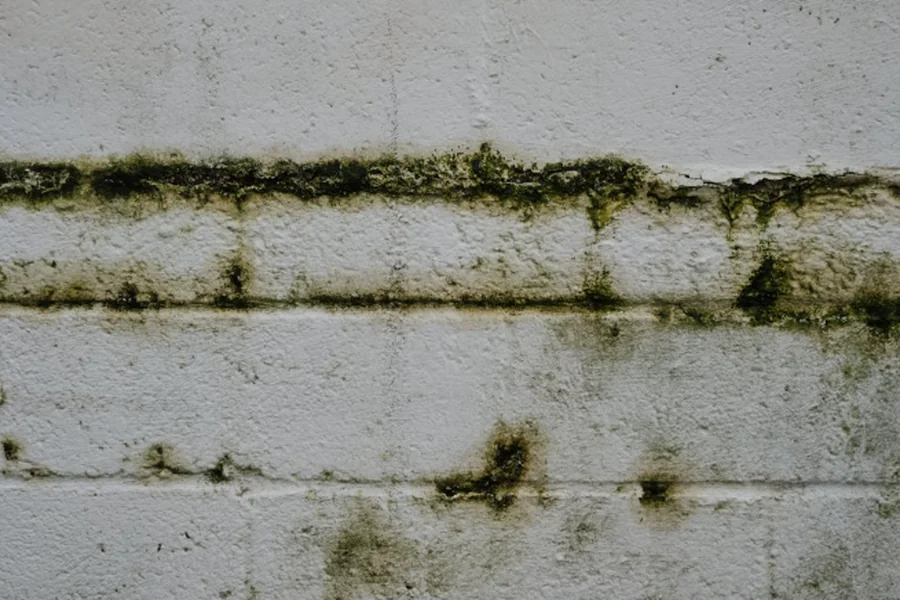
Many homeowners in Atlanta do not realize they have water damage until they notice warped flooring, a ceiling stain, or a strong musty smell that refuses to go away. The problem usually starts quietly. A small leak behind a wall, poor attic ventilation, or moisture under the flooring can sit unnoticed for weeks. Atlanta’s humid weather and heavy rainstorms create the perfect conditions for hidden moisture to spread through a home faster than expected.
Water damage often grows worse because the early signs seem harmless. People wipe away condensation, repaint stained drywall, or ignore a damp smell in a hallway closet. Meanwhile, moisture keeps moving through wood, insulation, and drywall. Knowing what these warning signs look like can help homeowners catch problems early and avoid expensive structural repairs later.
Small Mold Spots in Hidden Areas
Mold does not always appear as large dark patches covering a wall. In many homes, it starts as small spots near baseboards, around vents, behind furniture, or inside closets with poor airflow. Homeowners sometimes mistake early mold growth for dirt or dust because the spots look minor at first.
Hidden moisture creates the conditions mold needs to grow. Even a slow leak behind drywall can raise humidity levels enough for mold to spread quietly. Areas near HVAC systems also develop problems when condensation collects around vents or drip lines. Atlanta’s humid climate makes these situations more common, especially during warmer months.
Mold growth usually carries a noticeable musty smell, even when visible spots remain small. Some homeowners also notice allergy symptoms becoming worse indoors. Cleaning the surface without fixing the moisture source rarely solves the problem. Many property owners eventually contact a 24 hour emergency Atlanta damage restoration company after recurring mold keeps returning in the same areas. Proper inspection helps identify where the moisture is coming from and how far the damage has spread.
That Damp Smell Never Really Leaves
A persistent musty smell usually means moisture is trapped somewhere inside the home. Many homeowners notice it first in basements, laundry rooms, closets, or near air vents. The smell often becomes stronger after rain or during humid days in Atlanta. Opening windows or using scented sprays may cover it temporarily, but the odor keeps returning because the source remains hidden.
In many homes, moisture collects behind drywall, under carpet padding, or around leaking pipes. Mold can begin growing in those areas before visible damage appears. Homes with poor airflow often hold moisture longer, especially in rooms that stay dark or closed off most of the day. If a certain area always smells damp even after cleaning, it deserves a closer inspection. Ignoring the odor can allow hidden damage to spread quietly through nearby materials.
Ceiling Stains That Slowly Spread
Water stains on ceilings or walls rarely stay the same size for long. Many start as small yellow or brown marks near light fixtures, corners, or air vents. Homeowners often assume the stain came from an old leak, especially if it dries out for a while. The problem is that hidden moisture can continue spreading above the ceiling even when the surface looks dry.
Roof leaks are common in Atlanta after strong storms and heavy rain. Upstairs bathroom plumbing can also create slow leaks that travel through insulation before showing visible signs downstairs. In some homes, stains appear darker during humid weather because moisture levels rise again inside the material. Peeling paint, bubbling drywall, or soft spots around the stain usually signal ongoing water exposure. Quick repairs help prevent mold growth and structural damage from getting worse over time.
Paint That Starts Bubbling or Cracking
Paint problems often reveal hidden moisture inside walls long before major water damage appears. Bubbling paint, cracking surfaces, or peeling corners usually mean water has reached the drywall underneath. Bathrooms, kitchens, and laundry rooms commonly develop these issues because of plumbing lines and higher humidity levels.
Some homeowners repaint the damaged area without checking what caused it. The fresh paint may look fine for a few weeks, then the same spot begins peeling again. That cycle usually points to an active moisture problem behind the wall. Slow leaks around sinks, tubs, or appliances often create damp drywall that weakens paint adhesion over time.
Humidity also affects poorly ventilated rooms in Atlanta homes, especially during the summer. Steam and trapped moisture can slowly damage walls around showers and ceilings near vents. If paint damage keeps returning in the same location, a deeper inspection can help uncover hidden leaks before repairs become more expensive.
Floors That Feel Different Underfoot
Flooring often reacts quickly to hidden moisture, even when homeowners cannot see visible water. Hardwood floors may begin cupping at the edges, laminate boards can separate, and vinyl flooring may loosen from the surface underneath. Some people first notice a soft or spongy feeling while walking through a room. Others hear new squeaking sounds that were not there before.
Water damage under the flooring usually spreads wider than expected because moisture moves beneath the surface materials. A refrigerator leak, dishwasher problem, or slab leak can slowly affect nearby rooms without obvious warning signs. In older Atlanta homes, crawl spaces with poor ventilation can also create excess moisture below the flooring structure.
Ignoring uneven floors can lead to warped subflooring and mold growth underneath the surface. Early inspections help identify whether the issue comes from plumbing, humidity, or drainage problems around the property.
Rust Around Pipes and Fixtures
Rust and corrosion around plumbing fixtures usually develop because moisture stays present longer than it should. Homeowners often spot early signs under sinks, around water heaters, near shut-off valves, or behind washing machines. A small amount of rust may seem harmless, but it often points to slow leaks or condensation problems that continue damaging nearby materials.
Water heaters deserve special attention because leaks around the base can spread into the surrounding flooring before anyone notices. Pipes hidden inside cabinets may also create damp conditions that lead to mold growth and wood damage over time. In Atlanta homes with older plumbing systems, corrosion becomes more common as pipes age and joints weaken.
Atlanta homes face extra challenges because of frequent rain, high humidity, and aging plumbing systems in many neighborhoods. Those conditions make regular inspections more important, especially in bathrooms, kitchens, basements, and attic spaces. Paying attention to small changes inside the home can help prevent expensive repairs later.
Quick action matters when water damage appears. Identifying the source early can protect your home’s structure, improve indoor air quality, and prevent moisture from spreading into larger areas.