
Early Language Milestones Every Parent Should Know
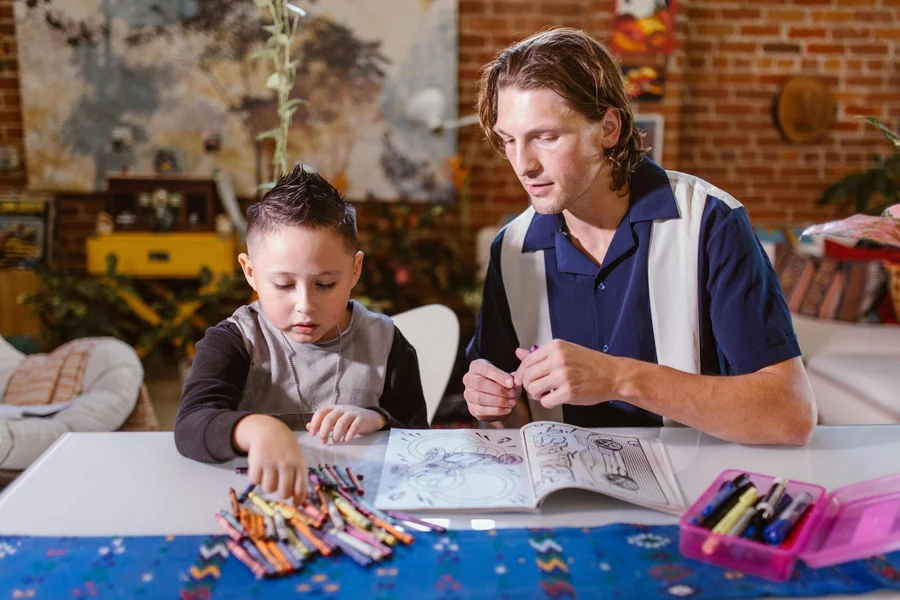
If you are a parent, you probably know how exciting those first moments of communication can be. Maybe it was the first smile that felt like a real response or a tiny coo that seemed to say a lot. It is normal to wonder what comes next and how you can help your child learn to communicate. The truth is that language development starts long before a child says a real word. Babies begin forming the foundations of language with simple sounds, natural reactions, and a growing interest in the world around them.
Understanding early language milestones can give you confidence and help you know what to expect. It can also help you notice when it might be time to explore extra support. Every child learns differently, but having a general idea of the path ahead can make the early years feel a little easier and a lot more rewarding.
Understanding Early Communication: The Role of Experts
Before children say their first words, they are already showing many signs of communication. A newborn communicates through cries, eye contact, and small changes in behavior. In a few months, babies begin to smile in response to familiar voices and show interest in people around them. This early interaction is a key part of language growth, even though it might not look like traditional communication yet.
Parents often turn to a speech and language pathologist when they have concerns about how their child is developing. You might be wondering, what does a speech and language pathologist do, and how can they support families during these early stages? These professionals help children build communication skills and guide parents by explaining how language grows over time. Even if you are not sure why there is a delay, learning from a specialist can offer clarity and reassurance.
Key Language Milestones in the First Year
The first year of life is full of small but meaningful communication changes. Around two months, babies begin to coo. These soft vowel-like sounds are often a child’s first attempt to vocalize for pleasure instead of just crying. By four to six months, babies usually begin to babble. This is when you hear repeated sounds like ba ba or da da. It may not have real meaning yet, but it shows that your baby is practicing the building blocks of speech.
By six months, many babies turn toward familiar voices and show excitement when they hear their name. They also begin to notice tone. A playful voice might make them smile, while a firm voice can get their attention quickly. Around nine months, babies start to use gestures like waving or pointing. These gestures are often the earliest signs of intentional communication.
By the end of the first year, some children say simple words like mama or dada. Others may use only gestures or sounds. Both can be typical. The important part is that your child is growing more aware of communication and showing interest in people around them.
Toddler Language Growth: What to Expect
Language growth speeds up between one and three years of age. Many toddlers begin to build a small vocabulary around their first birthday. They might say a few familiar words like ball, up, or milk. Over time, these words become clearer and more consistent.
By eighteen months, many toddlers use at least several words and understand far more than they can say. You may notice your child follows simple instructions like get the cup or come here. Toddlers often understand much more than parents expect during this stage.
By two years, many children combine two words, such as more juice or mommy go. This is an exciting milestone because it shows your child is learning how to put ideas together. By age three, children may form short sentences and use words to express needs, feelings, and simple stories. They also begin to ask many questions. This is a natural part of learning how language works.
Every child learns at their own pace. Some children are quiet observers who suddenly begin talking in longer sentences. Others develop slowly and steadily. Both can be typical as long as progress continues and communication interest remains strong.
Social Interaction and Play in Language Development
Social interaction plays a major role in early communication. Babies first learn through shared moments with parents, such as smiling at each other or following a parent’s gaze. This shared attention teaches children how to connect and helps language grow naturally.
Play also helps build strong communication skills. Simple games like peekaboo teach turn-taking. Pretend play encourages imagination and teaches children how to use language to act out real-life situations. Even pointing to a toy or holding it up for you to see is an important communication skill. These early actions show that a child understands how to send a message and get a response.
Everyday routines provide many chances for language practice. Talking during meals, bath time, or walks gives your child repeated exposure to words.
Simple Ways Parents Can Encourage Language at Home
Parents can help build language skills through simple, everyday actions. Talking to your child throughout the day helps them hear new words and see how language fits into routines. Reading together is one of the best ways to support communication. You can point to pictures, name objects, and let your child turn the pages.
You can also expand on your child’s words. If your child says dog, you might say big dog or dog is running. This helps them learn how to combine ideas. Giving choices is another helpful strategy. Asking questions encourages your child to respond and feel more involved in communication.
Most of all, respond to your child’s attempts to communicate. Even if the sounds are unclear or the gesture is small, your response teaches them that communication is meaningful and worth trying.
Children grow and develop at their own pace, and early language milestones are simply helpful guides. Enjoy the small moments as your child discovers new ways to connect with you. If at any point you feel unsure or notice something that concerns you, reaching out for guidance is a positive and supportive step. The early years are full of learning, and understanding these milestones can help you feel ready to support your child as they begin their communication journey.