
Exploring Hidden Gems in Kyoto Beyond the Famous Temples
Have you ever wondered what lies beyond Kyoto’s iconic temples and crowded shrines? What hidden corners of this ancient city are waiting to be discovered by curious travelers willing to wander off the beaten path? While the Golden Pavilion, Fushimi Inari Taisha, and Kiyomizu‑dera are undeniably breathtaking, there’s a quieter, more intimate Kyoto that many visitors miss — a city of mossy gardens, hidden cafes, peaceful villages, and creative streets. These hidden gems offer a glimpse into the everyday life, traditions, and unexpected beauty that make Kyoto so enchanting.
1. Otagi Nenbutsu‑ji: A Playful Forest of Statues
Most visitors to Kyoto head for its major temples, but few make the trek to Otagi Nenbutsu‑ji in the hilly Arashiyama foothills. This modest temple doesn’t boast grand halls or polished gardens, but it won hearts with hundreds of stone statues scattered through its mossy grounds.
Each statue — called rakan — depicts a disciple of Buddha, but these aren’t solemn figures. Instead, they’re playful, expressive, and sometimes downright quirky, carved by amateur sculptors in the 1980s and 1990s. Some laugh, some cry, and some simply strike odd poses… walking through this forest of expressions feels like stepping into a secret world where Buddha’s followers have come to life.
The atmosphere here is peaceful and reflective, perfect for a slow morning stroll away from tourist crowds. In spring and autumn, the greenery and fall colors add a magical frame to the statues.
2. Philosopher’s Path (Tetsugaku no Michi): Quiet Contemplation by the Canal
Many tourists know the Philosopher’s Path, but not everyone realizes its full charm because they visit only during peak cherry blossom season. The stone path follows a narrow canal flanked by cherry trees, creating a serene setting for contemplative walking.
What makes this route a hidden gem is the experience of it — early in the morning or late in the evening, the path becomes a quiet sanctuary. Local students on their way to school, elderly neighbors out for a stroll, and the occasional stray cat complete the scene.
Instead of rushing through, take time to explore the small shrines, coffee shops, and gardens that nestle off the main path. You’ll find miniature temples, moss‑covered stone lanterns, and tiny bridges that don’t make guidebooks but make unforgettable memories.
3. Kamigyo Ward: Traditional Kyoto Streets and Crafts
While Gion and Higashiyama claim most of the city’s traditional charm, Kamigyo Ward is where Kyoto’s heart of craftsmanship still beats strong.
Winding residential streets hide long‑established workshops where artisans make:
- Yuzen silk — hand‑painted silk for kimono
- Bamboo crafts — from elegantly woven baskets to tea ceremony tools
- Incense sticks — made with centuries‑old formulas
Small galleries open their doors to visitors, offering a peek at the creative process. Some even let you try your hand at making a simple craft yourself. The best way to explore Kamigyo is on foot — with no schedule and no destination, just enjoying the gentle rhythm of local life. Travelers can also find cozy family hotels in Kyoto nearby, making it easy to spend a few nights exploring these quiet streets.
4. Ohara: Peaceful Mountainside Villages
A short bus ride north of central Kyoto is Ohara, a mountainous rural area that feels like a world apart. Here, life moves slowly and centuries‑old traditions are still part of daily routines. Instead of grand temples, Ohara’s beauty lies in its small, humble spaces, such as:
- Sanzen‑in – A serene temple surrounded by moss gardens and shaded by towering cedar trees.
- Countryside paths – Wander through fields of rice and vegetable farms, where farmers greet passersby with a nod.
In autumn, the colors here rival Kyoto’s most popular foliage spots, but without the crowds. The soft rustle of leaves, distant chants from temple bells, and quaint stone bridges over small streams make Ohara a deeply calming day trip.
5. Kurama and Kibune: Mountain Hot Springs and Forest Trails
Just north of Kyoto proper, the twin towns of Kurama and Kibune offer a different kind of escape. Nestled in the forested mountains, these areas are known for:
- Kifune Shrine – A riverside shrine dedicated to the god of water.
- Kurama‑dera – A mountaintop temple reached by a peaceful forest trail or a short funicular ride.
- Natural hot springs (onsen) – Relax in outdoor baths with views of wooded slopes.
The trail between Kurama and Kibune is especially special. It follows a babbling mountain stream, crosses wooden bridges, and is shaded by towering trees — a quiet trek through nature rather than a typical temple visit. In summer, locals and travelers alike soak their feet in the cool river water; in cooler months, the onsen become even more inviting.
6. Nishijin Textile Center: Living Tradition of Weaving
Kyoto’s famous kimono culture comes alive at the Nishijin Textile Center, where you can witness traditional weaving techniques still practiced by master artisans. Nishijin weaving is a centuries‑old craft known for its rich designs and luxurious textures, and this center showcases:
- Loom demonstrations
- Displays of intricate fabrics
- Short performances of kimono fashion
You don’t have to be a textile expert to appreciate the precision and beauty on display — the way threads of gold, silver, and dyed silk shimmer as they’re woven together is mesmerizing. If you’re planning a longer stay, nearby family hotels in Kyoto provide convenient access for travelers eager to explore multiple traditional workshops in one area.
7. Kyoto International Manga Museum: A Unique Cultural Experience
Less traditional but completely unique is the Kyoto International Manga Museum, where manga fans can explore both popular and rare works from Japan and around the world. With tens of thousands of volumes available to read, the museum is a treasure for anyone curious about this globally influential art form.
What sets this museum apart isn’t just the collection — it’s the way it celebrates reading as an interactive experience. Visitors can sit in reading lounges, flip through vintage editions, and learn about manga’s impact on modern culture. There are workshops and exhibits on manga drawing techniques, too.
Even if you’re not a dedicated fan, the museum gives insight into a storytelling medium that shapes contemporary Japanese culture.
8. Philosopher’s Café and Riverside Cafés
Kyoto’s café culture is a hidden delight. After walking the Philosopher’s Path or exploring Kanazawa‑juku villages, stop at one of the many hidden cafés tucked alongside canals or courtyards. These aren’t just places for coffee — many serve:
- Hand‑drip coffees using Kyoto’s soft water
- Matcha desserts and wagashi (traditional sweets)
- Seasonal treats like chestnut cakes in autumn or bamboo ice in summer
One of the charms of Kyoto’s café scene is intimacy: you might sit in a shared garden with a few locals or enjoy matcha in a restored wooden building that dates back a century. Bring a travel journal, relax, and watch as the day drifts by.
9. Kuramae Path and Local Markets
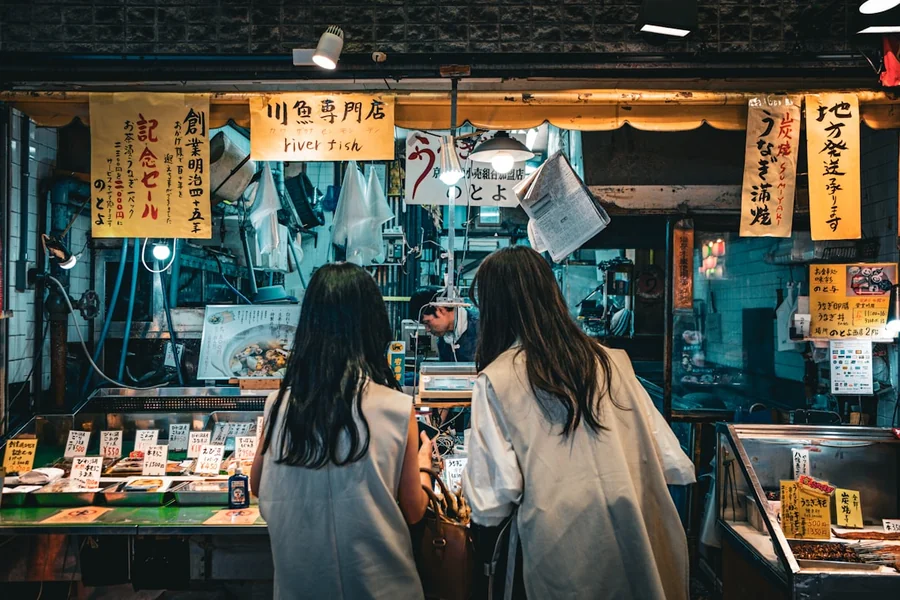
Hidden lanes like Kuramae Path and the many small markets throughout the city give you a sense of everyday Kyoto life. Here you’ll find:
- Seasonal vegetables grown in the Kyoto basin
- Fresh tofu from local producers
- Handmade pickles and condiments
- Locally roasted teas
Unlike crowded main streets, these markets are places of exchange — vendors remember regulars, shoppers stop to chat, and bartering isn’t unusual. Try a sample, ask questions, and you may leave with a new favorite flavor or recipe idea.
10. Nakagyo Ward Backstreets: Fusion of Old and New
Nakagyo Ward blends Kyoto’s past and present in a way that often surprises visitors. Down narrow backstreets you’ll find:
- Modern boutiques built inside old machiya
- Contemporary art galleries
- Experimental dining spaces
- Tea houses that slip into hidden courtyards
This is Kyoto’s creative pulse, where innovation meets tradition. Spend an afternoon here exploring galleries, trying artisanal chocolates, and discovering how Kyoto continues to evolve centuries after it was founded.
Tips for Enjoying Kyoto’s Hidden Gems
⦁ Go early or late: Major sites draw crowds midday. Hidden spots become most magical in softer light.
⦁ Walk when you can: Kyoto’s alleyways and side streets hold surprises you’d miss on bus routes.
⦁ Respect local rhythms: Many hidden gems are part of quiet residential areas or working studios — be polite, take photos only when permitted, and observe local etiquette.
⦁ Slow down: These experiences reward contemplation more than ticking boxes.
Kyoto isn’t just a city of famous temples — it’s a mosaic of quiet forests, creative streets, village paths, soothing streams, and lively marketplaces. Hidden gem by hidden gem, it reveals itself not as a checklist of attractions, but as a living tapestry of history, culture, and daily life. Explore beyond the guidebooks, and Kyoto will reward you with memories that feel deeply personal.