
Find Mod Podge Online Deals to Elevate Everyday Handmade Artwork Finish Quality
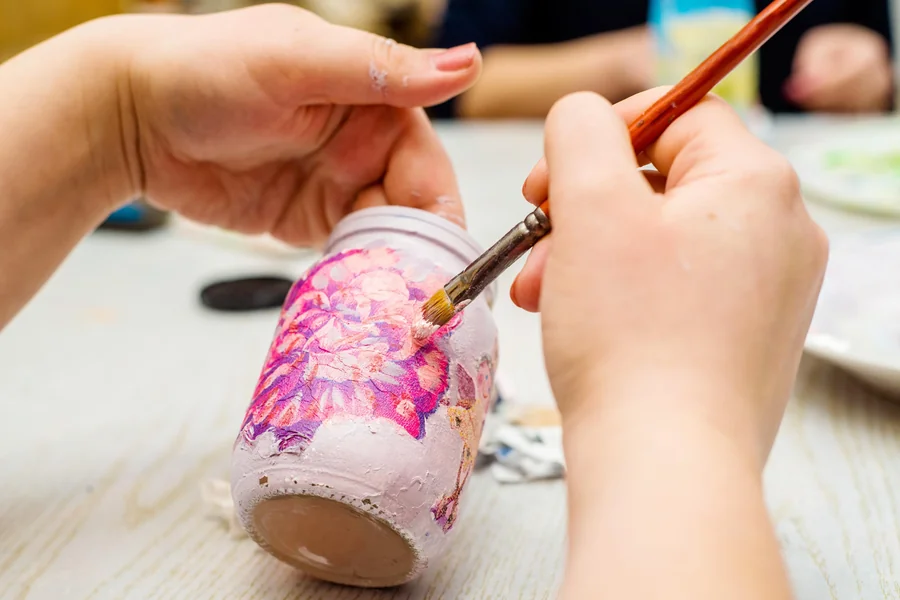
The Mod Podge is an effective tool that enables you to get protection and a nice finish for your hand-made crafts. It is important to provide wooden signs and painted canvases with appropriate finishing. Prior to deciding to purchase mod podge online, you should make a comparison between different types of products and their features. Different surfaces react differently; therefore, it is better to perform a test before applying the product.
Choose the Right Formula
There are different types of Mod Podge, and each has its own uses. It is advisable to read the labels before purchasing it.
Match Finish to Project
GLOSS gives the paint a shinier appearance, whereas MATTE prevents reflections on the painted surface. SATIN gives a soft sheen to crafts needing subtle detailing.
This will influence the appearance of colors and finishes after drying. It is always recommended to test the product on scrap pieces first.
Prepare Materials Before Applying
The cleanliness of surfaces ensures that the glue sticks well and spreads evenly. Use an appropriate brush to apply thin layers without thick strokes.
- Wipe the dust off the wood before applying the first layer.
- Allow painted surfaces to dry completely before applying the finish.
- Apply thin layers using a clean brush to avoid loose bristles.
- Test swatches should be kept close at hand for comparison when dry.
Proper preparation can save one from many common crafting mistakes. Haste at this stage may cause bumps under the final layer.
Shop with Clear Product Details
Comparison of formulas, bottle sizes, and application of finishes can be done via online listings. You need to read the label information and check current listings before buying.
- Ensure that the formula is appropriate for your chosen material and craft.
- See if it is gloss, satin, or matte finish.
- Consider the application instructions and recommended drying requirements.
- Check the bottle size listed before buying.
- Also, see care instructions before applying finish to items that will be handled.
A good listing must have information about the purpose of the product and how it is applied. In case any critical information is lacking, then you should refer to the manufacturer’s information.
When selecting products, it should be based on appropriateness and not only appearance. A product formulated for paper crafts might not be suitable for all projects.
For a more focused comparison, shop mod podge online after deciding which surface needs protection and which finish suits the design. This approach helps prevent buying a formula that does not fit the task.
Apply Thin Coats for Better Results
A thick layer may remain tacky longer or dry unevenly. Use gentle brush strokes and follow the product’s drying guidance.
- Spread each coat evenly without leaving heavy pools.
- Allow the recommended drying time before adding another layer.
- Keep the project away from dust while the coating dries.
- Check the surface under good light before applying more product.
Drying time varies with coat thickness, humidity, and room conditions. Avoid judging the finish while it still feels damp.
Simple Ways to Improve Craft Quality
Excellent results can always be expected when good practices are incorporated into the process. Try working in a clean environment with consistent brush strokes. Do not seal until all of the paint or ornamentation is completely dry.
Be gentle with glass, since smooth finishes could cause an adhesion issue. Wood will absorb the paint at a faster rate compared to the sealed objects. For canvas, do the painting with even strokes without overpainting.
A light hand should be used for projects involving paper, since the excess moisture can cause buckling or curling. The delicate papers can easily tear; it is a good idea to test a piece of paper first.
Compare Common Mod Podge Finishes
The table below outlines common finish choices and practical care points. Always follow the instructions on the specific product label.
| Finish type | Suitable uses | Drying or care notes |
| Gloss | Painted wood, decorative canvas and bright craft details | Allow full drying before handling; expect a reflective surface |
| Matte | Paper art, muted designs and low glare displays | Check the dried surface for cloudy areas before adding another coat |
| Satin | Decorated boxes, signs and projects needing a soft sheen | Apply evenly and let each layer dry as directed |
| Outdoor formula | Suitable for exterior craft projects when the label permits | Follow outdoor use instructions and required curing time |
| Fabric formula | Fabric crafts when the product label approves the material | Follow label guidance for washing and handling after drying |
The best choice depends on the material and the item’s intended use. No finish should replace specific care instructions for the selected formula.
FAQ About Mod Podge
- What does Mod Podge do? Mod Podge can act as an adhesive and finish for suitable craft materials. Its exact purpose depends on the formula.
- Can it be used on wood? Many formulas work on wood crafts. Clean the surface first and follow the product label.
- How many coats should be applied? The right number depends on the project and formula. Apply thin layers and follow the stated directions.
- Why does the finish look cloudy? Cloudiness can occur when a layer has not dried fully or when coats are too thick. Let it dry before assessing the result.
- Can Mod Podge be used on glass? Some projects use Mod Podge on glass, but adhesion depends on the formula and surface. Check the label and test a small area.
- How should leftover product be stored? Close the lid firmly and store the container as directed. Keep it away from unsuitable temperatures and follow all safety guidance.
Make Each Project Count
Careful product selection makes for better quality and less waste. Begin by selecting the surface, followed by an appropriate solution and finish. A test swatch should be done first to ensure that the appearance is satisfactory before applying the solution to the entire item. Always follow the drying instructions and examine each coat of paint under constant lighting conditions.