
First Aid for Drowning: Rescue Breathing and CPR Basics
Drowning is a critical emergency that requires immediate and effective intervention to prevent severe injury or death. Understanding the basics of first aid for drowning, including rescue breathing and CPR, can make a significant difference in the outcome of such incidents. This article provides essential information on how to respond to drowning emergencies, focusing on the techniques of rescue breathing and CPR. By equipping yourself with this knowledge, you can be prepared to act swiftly and confidently in a life-threatening situation, potentially saving a life when every second counts.
Understanding Drowning Emergencies
Drowning occurs when a person is unable to breathe due to being submerged in water. It can happen quickly and silently, making it crucial to recognize the signs and respond promptly. The first step in handling a drowning emergency is to ensure your own safety before attempting a rescue. Once you have assessed the situation, call for emergency medical services immediately. While waiting for professional help, you can begin administering first aid. Rescue breathing and CPR are vital components of first aid for drowning victims. Rescue breathing helps provide oxygen to the lungs, while CPR maintains blood circulation. These techniques are essential in preventing brain damage and increasing the chances of survival. Understanding the correct procedures and practicing them regularly can prepare you to act effectively in an emergency.
Rescue Breathing Techniques
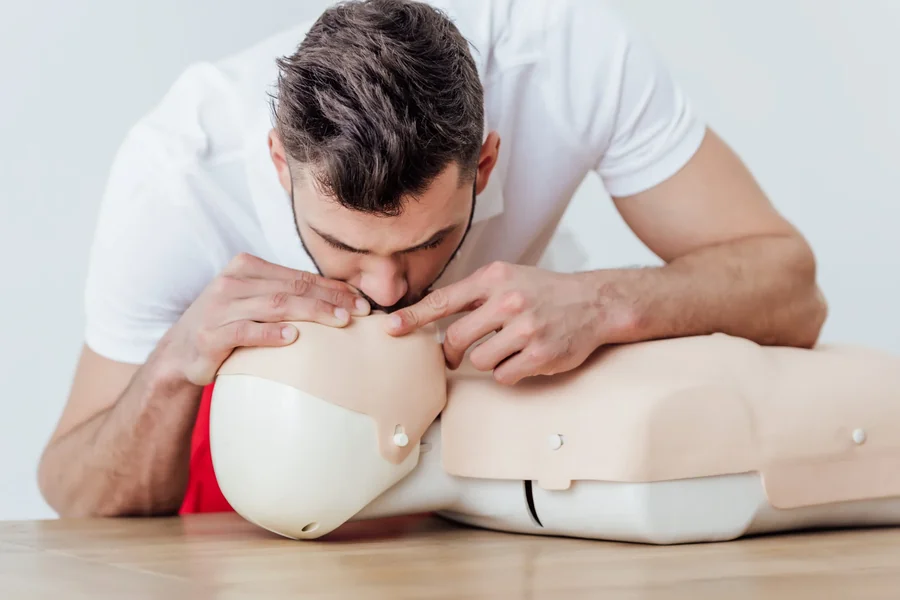
Rescue breathing is a critical skill in first aid for drowning victims. It involves providing breaths to a person who is not breathing or is struggling to breathe. To perform rescue breathing, first ensure the victim is lying on their back on a firm surface. Tilt their head back slightly to open the airway, and check for any obstructions. Pinch the victim’s nose shut, take a deep breath, and seal your lips around their mouth. Deliver two slow breaths, watching for the chest to rise. If the chest does not rise, recheck the airway for blockages and reposition the head. Continue providing breaths every five to six seconds until the victim starts breathing on their own or emergency services arrive. Rescue breathing is a crucial step in maintaining oxygen flow to the brain and other vital organs, buying time until further medical assistance is available.
Performing CPR on Drowning Victims
Cardiopulmonary resuscitation (CPR) is a lifesaving technique used when a drowning victim has no pulse or is not breathing. It combines chest compressions with rescue breaths to maintain blood circulation and oxygenation. To perform CPR, position the victim on their back and kneel beside them. Place the heel of one hand on the center of the chest, with the other hand on top. Keep your elbows straight and use your body weight to compress the chest at least two inches deep, at a rate of 100 to 120 compressions per minute. After 30 compressions, give two rescue breaths. Continue this cycle until the victim shows signs of life or emergency personnel take over. It is important to note that becoming certified CPR can enhance your ability to perform these techniques correctly and confidently. Regular training ensures you are prepared to act effectively in an emergency.
Importance of Immediate Action
In drowning emergencies, time is of the essence. The longer a person is deprived of oxygen, the greater the risk of brain damage or death. Immediate action can significantly improve the chances of survival and recovery. Even if you are unsure of your skills, attempting rescue breathing and CPR is better than doing nothing. Every second counts, and your intervention can make a life-saving difference. It is important to remain calm and focused, following the steps you have learned. Remember, professional help is on the way, and your actions are crucial in the interim. By understanding the importance of immediate action, you can approach drowning emergencies with confidence and determination.
Conclusion
First aid for drowning, including rescue breathing and CPR, is a vital skill set that can save lives. Understanding the techniques and being prepared to act quickly can make a significant difference in the outcome of a drowning emergency. While professional medical assistance is essential, your immediate response can help maintain oxygen flow and circulation, increasing the chances of survival. Regular training and practice are key to ensuring you are ready to respond effectively. By equipping yourself with this knowledge, you can be a crucial link in the chain of survival, providing hope and assistance when it is needed most.