
Food Traditions and Health: Balancing Heritage Cuisine with Modern Nutrition
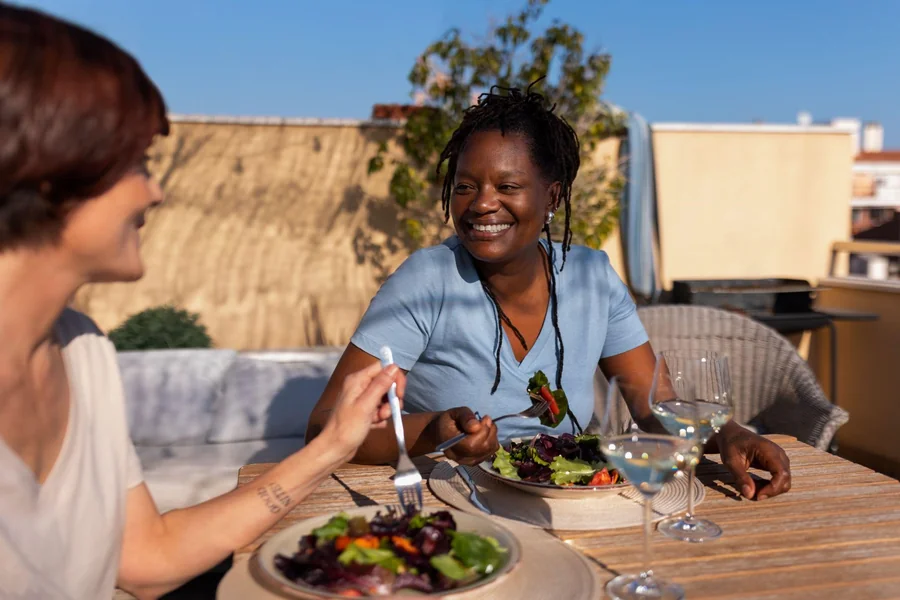
Across generations, food has carried meaning far beyond the plate. For many Black families, heritage cuisine is tied to memory, resilience, and community, passed down through recipes that tell stories of survival, celebration, and care. As conversations around health evolve, people are increasingly looking for ways to honor those traditions while also supporting modern nutritional needs. Some begin by seeking structured guidance from an Aetna nutritionist as part of a broader wellness journey, but the deeper work often happens at home, where cultural identity and everyday eating intersect.
Balancing heritage cuisine with modern nutrition is not about abandoning tradition. It is about adapting with intention, preserving flavor and meaning while making choices that support long-term health.
Why Heritage Cuisine Matters
Heritage foods are often rooted in history shaped by necessity. Dishes developed during times of limited access and economic hardship emphasized affordability, satiety, and communal sharing. Over time, these meals became symbols of togetherness, celebration, and cultural continuity.
Food traditions also serve as a form of storytelling. Recipes are rarely written down; they are taught through observation, conversation, and shared experience. This cultural transmission strengthens family bonds and reinforces a sense of belonging that extends beyond nutrition alone.
Recognizing the emotional and cultural value of heritage cuisine is essential when discussing health. Any approach that ignores this context risks alienating the very communities it aims to support.
The Modern Nutrition Conversation
Modern nutrition places emphasis on balance, variety, and long-term disease prevention. Conversations often focus on managing chronic conditions such as heart disease, diabetes, and hypertension, which disproportionately affect Black communities due to a combination of genetic, environmental, and systemic factors.
Nutrition science today is less about rigid restriction and more about patterns over time. Whole foods, fiber intake, reduced sodium, and healthy fats are common themes, but these principles can be applied within cultural frameworks rather than replacing them.
The challenge is not whether heritage foods can fit into modern nutrition, but how they are prepared, portioned, and contextualized within daily routines.
Adapting Without Erasing
One of the most effective ways to balance tradition and health is through adaptation rather than elimination. Small adjustments can preserve the essence of a dish while improving its nutritional profile.
Cooking methods play a major role. Baking, grilling, or slow-cooking can often replace deep frying without sacrificing flavor. Seasoning with herbs, spices, and aromatics can reduce reliance on excess salt or processed additives. Incorporating more vegetables into familiar dishes adds fiber and nutrients while maintaining cultural familiarity.
Portion awareness is another key factor. Many traditional meals were designed for physically demanding lifestyles. Adjusting portion sizes to reflect modern activity levels allows people to continue enjoying beloved foods without unintended health consequences.
Cultural Foods and Health Equity
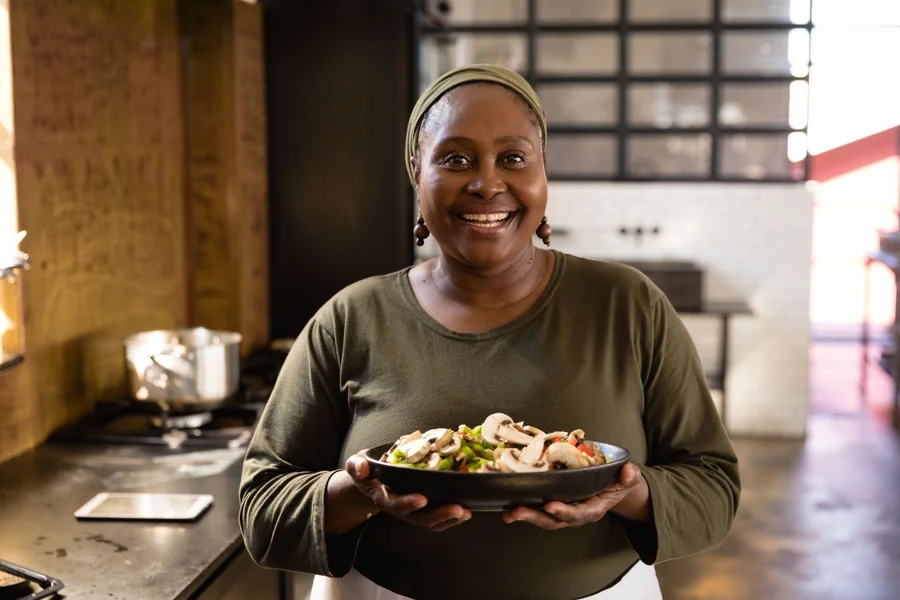
Discussions about nutrition cannot be separated from access and equity. Food deserts, limited grocery options, and economic barriers continue to shape dietary choices in many Black communities. Heritage cuisine often relies on ingredients that are affordable and accessible, which makes it practical as well as cultural.
Community-based initiatives, such as local markets, urban gardens, and culturally relevant nutrition education, help bridge the gap between tradition and health. These efforts respect food identity while expanding options and knowledge.
According to the Centers for Disease Control and Prevention, culturally responsive health strategies are more effective in supporting long-term dietary change because they align with lived experience rather than imposing external standards. This reinforces the importance of meeting people where they are, both culturally and economically.
Intergenerational Perspectives on Food
Food traditions often shift across generations. Younger family members may question recipes they grew up with, while elders may worry about losing cultural continuity. Open dialogue helps bridge this divide.
Cooking together, sharing stories behind dishes, and experimenting with healthier variations can turn nutrition into a collaborative process rather than a point of conflict. When younger generations understand the history behind recipes, they are more likely to approach adaptation with respect rather than rejection.
This intergenerational exchange allows tradition to evolve naturally, ensuring that cultural foods remain relevant rather than frozen in time.
Moving Forward With Intention
Balancing heritage cuisine with modern nutrition is ultimately about intention. It requires acknowledging history, honoring flavor, and embracing knowledge without judgment. Health does not have to come at the expense of culture, and tradition does not have to resist change. You can explore more details on the cookout menu with prices for additional context and offerings.
For Black families and communities, food remains a powerful tool for connection, healing, and identity. When approached thoughtfully, it can also support wellness in ways that feel authentic and sustainable.
By reframing nutrition as an evolution rather than a departure, heritage cuisine continues to thrive, nourishing both body and culture for generations to come.