
From Butcher Shops to Browsers: How the American Meat Aisle Has Quietly Moved Online
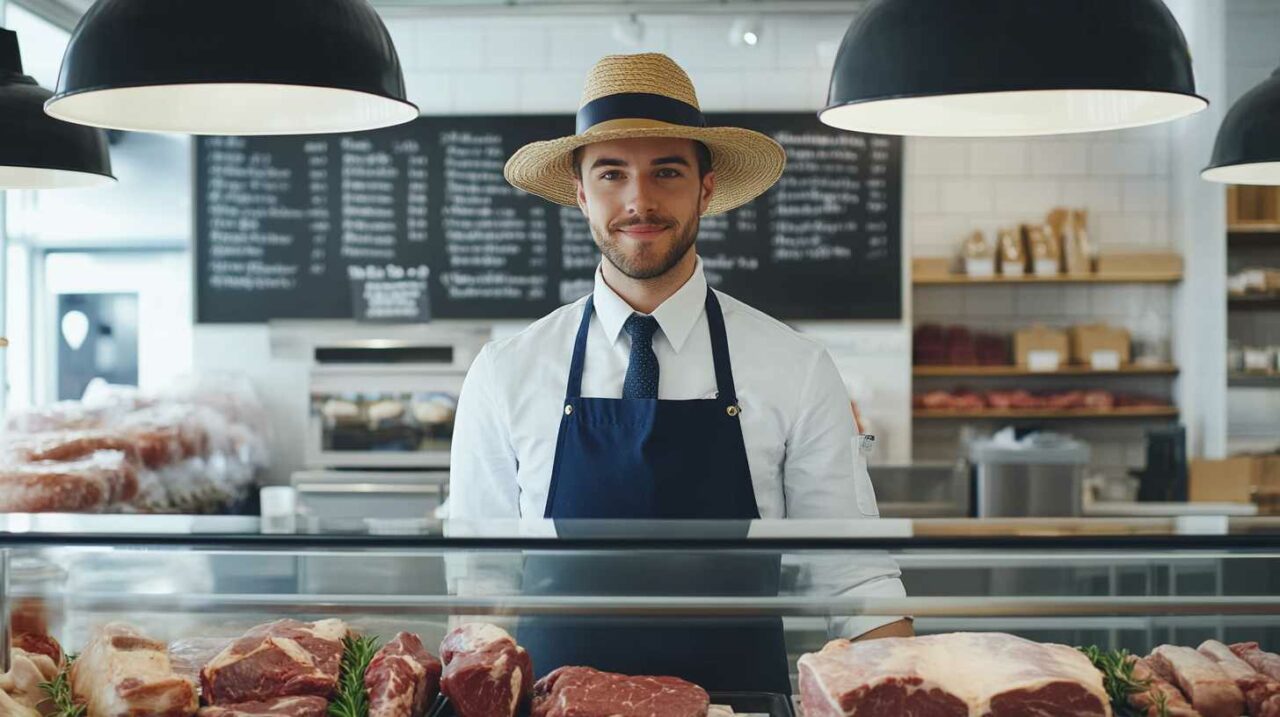
For most of the twentieth century, the American household had a relatively simple relationship with meat. Once a week, sometimes twice, someone walked into a supermarket or a neighbourhood butcher, looked at what was available behind the glass, and made a decision based on price, looks, and whatever the cut was rumoured to be good for. The selection was narrow, the labels were minimal, and the questions about how the meat was raised were not really part of the conversation.
That model has been shifting for the better part of a decade, and the shift is bigger than most shoppers realise. Online grocery delivery, which spent the early 2020s finding its footing around fresh produce and pantry staples, has steadily moved into meat. The result is a category that is more transparent, more diverse, and significantly more aligned with the way modern households actually want to eat.
Why meat was the slowest grocery category to go online
Meat resisted online migration for a long time, and for a specific reason. It is fragile, refrigerated, and unforgiving when delivery logistics fail. A jar of tomato sauce can survive a delayed delivery. A pound of fresh chicken cannot survive a warm afternoon in a delivery van. The companies that solved cold chain logistics first earned the right to compete in fresh meat at all.
Once that infrastructure caught up, the category opened. Direct-to-consumer meat delivery now sits inside almost every major online grocery service, and increasingly inside specialty retailers built specifically around grass-fed, pasture-raised, and organically raised options that supermarkets stock unevenly at best.
How the conversation around quality has shifted
The bigger story underneath the logistics is the change in what consumers want to know about their meat. The old supermarket experience offered very little context. A package of ground beef. A tray of chicken breasts. A vague set of grade markings most shoppers could not interpret. Whether the animal was raised on grass or in a feedlot, whether it received antibiotics, whether the producer met any meaningful welfare standards: all of that was largely invisible to the buyer.
Modern shoppers want that information, and they want it on the front of the package rather than buried somewhere on the producer’s website. Online retailers have responded by building product catalogues around clearly labelled standards: 100% grass-fed and finished, pasture-raised, certified organic, no hormones, no antibiotics, heritage breeds, and known sourcing. This level of disclosure used to be available only at premium butcher shops and farmers’ markets. Now it is the default at retailers built for the way younger consumers actually shop.
What direct-to-consumer meat delivery actually offers
The modern model looks more like a curated grocery shop than a meat-only subscription. Shoppers browse a wider catalogue than any single supermarket carries, including organic and grass-fed beef, pasture-raised pork, antibiotic-free poultry, heritage breeds, ground meats, and game options. Everything ships alongside the rest of the weekly order.
Services like organic meat delivery bring this together by combining responsibly sourced meat (grass-fed beef cuts, pork raised in the US without hormones or antibiotics, chicken raised without preservatives, hormones, antibiotics, or GMOs) with the rest of a household’s grocery essentials. Customers build their meat selections in the same shopping window as their produce and pantry items, with everything arriving in a single delivery.
The convenience matters, but it is not the main draw. The bigger appeal is access. Most American supermarkets carry one, maybe two, organic or grass-fed meat options, often inconsistently. Online retailers carry full ranges, with consistent stocking, clear labelling, and direct relationships with producers.
Why the category will keep growing
Three trends are driving the next phase of direct-to-consumer meat.
The first is generational. Millennials and Gen Z shoppers are buying meat differently than their parents did. They read labels. They care about welfare standards. They are willing to pay a premium for verified sourcing. The categories that have grown fastest online (grass-fed beef, pasture-raised pork, antibiotic-free poultry) are the ones that align most directly with what these shoppers actively look for.
The second is logistical. Cold chain technology and same-day or next-day delivery have made fresh meat a viable online category in a way it simply was not ten years ago. The infrastructure now exists to ship a steak across the country without compromising quality.
The third is informational. The same shoppers who normalised reading nutrition labels in the 1990s and ingredient lists in the 2010s are now expecting the same level of transparency on animal-welfare and sourcing standards. Online retailers can communicate this far more cleanly than supermarket packaging ever has.
What this means for the modern kitchen
The practical effect of all this is quieter than the trend headlines suggest. Most households that switch to online meat delivery do not dramatically change what they cook. They cook the same dishes, with better ingredients, sourced more transparently. The taste improvement on a 100% grass-fed steak versus a conventional one is real, but the bigger payoff is the confidence of knowing exactly what is on the plate.
For families building a more intentional kitchen without overhauling their entire weekly routine, the meat aisle is one of the easiest categories to upgrade. The supermarket version of the same products is rarely as good, rarely as transparent, and rarely as consistently stocked.
Where this is heading
The next wave of direct-to-consumer meat will probably look less like new brands launching and more like existing online grocers expanding their meat offerings into specialty categories: dry-aged cuts, heritage breeds, seasonal game, and regional producers. The shift from “where do I get good meat” to “what kind of good meat do I want this week” is already happening for many households, and it is happening online far more often than it is happening in physical stores.
For the broader American food story, the move of meat from supermarket aisle to online catalogue is one of the more underrated shifts of the past decade. It does not generate viral moments and it does not photograph particularly well, but it is reshaping what is in the freezer, on the grill, and on the family dinner table in millions of households at once.
Frequently Asked Questions
What is organic meat delivery? A grocery service that ships responsibly raised meat directly to consumers, including options like grass-fed beef, pasture-raised pork, and antibiotic-free poultry. Most modern services let customers add meat to a regular grocery order alongside produce and pantry items.
How is online meat different from supermarket meat? Online services typically offer broader and more transparent sourcing standards. Catalogues are larger, labelling is clearer, and grass-fed, organic, and heritage options are stocked consistently rather than appearing only sometimes.
Is delivered meat as fresh as supermarket meat? Yes, when handled properly. Reputable services use insulated cold-chain packaging and refrigerated handling so that meat arrives fresh and ready to refrigerate or freeze on receipt.
What does grass-fed actually mean? “100% grass-fed and finished” means the animal ate grass and forage for its entire life. “Grass-fed” alone, without “finished,” can sometimes refer to animals that were grass-fed early in life and grain-finished, so the labelling distinction matters.
What is the difference between organic and pasture-raised? Organic is a USDA certification covering feed, antibiotic use, and farming practices. Pasture-raised refers to animals raised outdoors on pasture rather than in confined indoor systems. Some products are both, but the terms are not interchangeable.
Are online meat prices higher than supermarket prices? For premium categories like grass-fed and organic, prices are often comparable to or slightly lower than supermarket equivalents, particularly because online retailers can buy direct from producers and bypass some of the supermarket markup.
Does meat delivery work for households that cook irregularly? Yes, since most meat keeps well in a freezer for several months. Many households use online delivery to stock the freezer with a mix of cuts and rotate through them as needed.
Can I add meat to a regular grocery delivery order? Most modern online grocers let customers add meat to a single weekly order with produce, dairy, and pantry items. Separate meat-only subscriptions are less common now than they were a few years ago.
Are there minimum order requirements for meat delivery? Some services have minimum order values for fresh meat to make cold-chain shipping economical. The minimums are typically reasonable for households cooking meat on a weekly basis.
Is online meat better for the environment? It depends on the producer rather than the channel. Grass-fed and pasture-raised systems generally have different environmental profiles than conventional confined feeding operations, but the comparison is nuanced and varies by farm. Online retailers tend to make this kind of sourcing information more accessible than supermarkets do.
What kinds of meat are available through online delivery? Most major services cover beef (grass-fed, organic, heritage breeds), pork (pasture-raised, organic), chicken (organic, antibiotic-free, heritage), turkey, lamb, and selected game options. Specialty cuts and dry-aged products are increasingly available.
Can I order meat for special occasions? Yes. Many shoppers use online services specifically for occasions like holidays, birthdays, or dinner parties, where having access to higher-quality cuts (such as dry-aged ribeye, heritage pork chops, or organic whole birds) makes a noticeable difference compared with what local supermarkets stock.