
Garage Door Tune-Ups: What Professionals Actually Check
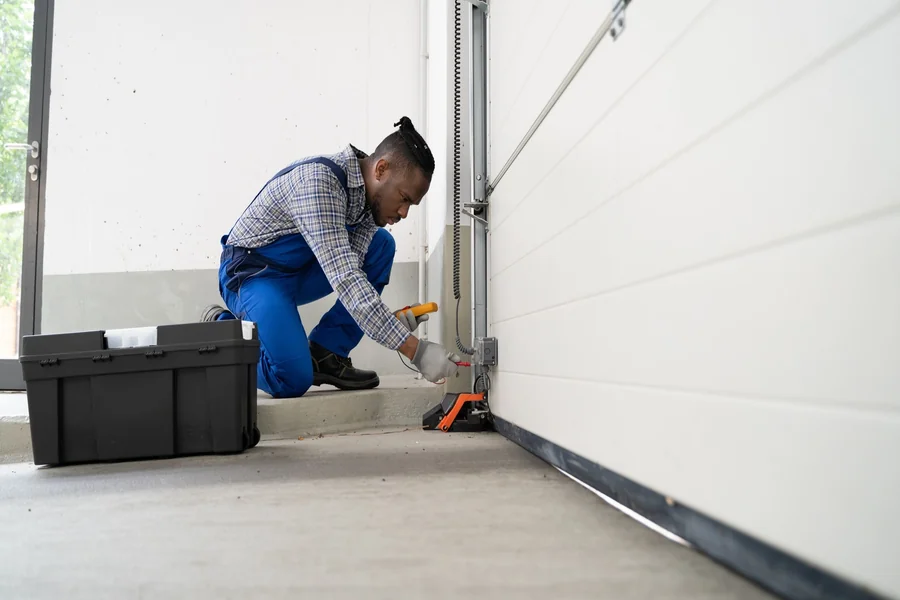
Garage doors are essential mechanical systems that support daily access, safety, and security in residential properties, yet they are often overlooked until a malfunction occurs. Over time, continuous use creates wear across multiple interconnected components, many of which operate under tension or constant movement. Routine servicing helps identify early signs of deterioration before they develop into functional failures. During a scheduled tune-up, technicians follow a structured inspection process that covers mechanical alignment, safety systems, and operational balance. We will explore what professionals actually examine during these tune-ups and why each stage contributes to consistent performance. Understanding this process allows homeowners to appreciate how preventive maintenance reduces the risk of breakdowns and supports the long-term reliability of the entire system.
Visual Inspection of Mechanical Components
A garage door tune-up begins with a detailed visual inspection of all major mechanical components. Technicians in Marietta GA focus on identifying early signs of wear, misalignment, or damage that could affect performance. The tracks are examined for bends, debris buildup, or spacing issues that might cause the door to move unevenly. Rollers are checked for cracks, flat spots, or excessive noise during movement. Hinges are inspected for looseness or fatigue, as these parts carry significant stress during daily operation. Cables and springs are also carefully assessed, as they bear most of the door’s weight and tension.
Even small frays in cables or slight changes in spring tension can indicate potential failure points. In addition, mounting hardware is reviewed to ensure bolts and brackets remain secure and properly aligned. This step is essential because it allows technicians to identify issues before they develop into larger mechanical failures. By addressing early-stage deterioration, the system can continue operating smoothly and safely, reducing the likelihood of unexpected breakdowns or costly emergency repairs.
Beyond visual checks, technicians often perform basic functional tests to evaluate how smoothly the door opens and closes under normal load conditions. The movement is observed for hesitation, jerking, or imbalance that may suggest underlying tension issues. Lubrication points are also reviewed, and appropriate lubrication is applied to reduce friction between moving parts such as rollers, hinges, and springs. Proper lubrication helps minimize noise and prevents premature wear caused by metal-to-metal contact. Alignment adjustments may be made if the door does not sit evenly within the tracks. These checks ensure that the system performs consistently in real-world use rather than only appearing intact during a static inspection.
Spring, Cable, and Tension Evaluation
Technicians pay close attention to the spring and cable system because it counterbalances the full weight of the garage door. During a tune-up, torsion or extension springs are evaluated for tension consistency, corrosion, and structural fatigue. Springs that lose tension can cause uneven lifting, increased strain on the opener, or sudden mechanical failure. Cables are inspected for fraying, stretching, or corrosion along their length, especially near attachment points where stress is highest. Proper balance is tested by manually disengaging the opener and lifting the door to observe whether it remains steady at mid-point. If the door drifts upward or downward, it indicates an imbalance that requires adjustment. This evaluation is critical because springs and cables operate under high stored energy, and even minor defects can escalate into safety hazards if left unaddressed over time.
Another important aspect is evaluating how much strain the spring system places on the automatic opener. When springs lose proper tension, the opener compensates by exerting additional force, which can shorten its operational lifespan. Technicians check motor response during lifting cycles to detect abnormal load behavior or delayed starts. Any irregular resistance signals that the spring system is not properly balanced and requires correction to restore safe operation and reduce unnecessary mechanical stress across the system.
Technicians also prioritize safety verification during spring system evaluation, ensuring that all components are securely anchored and protected against the risk of sudden release. In cases of significant wear, replacement is recommended rather than adjustment. This approach helps maintain system reliability and reduces the likelihood of unexpected failures during daily operation.
Safety Systems and Opener Diagnostics
A garage door tune-up also includes a detailed inspection of safety mechanisms and electronic opener systems. Modern garage doors are equipped with sensors that detect obstacles and prevent the door from closing when something is in its path. Technicians test these sensors by interrupting the beam to confirm immediate reversal or stopping response. Misalignment, dirt buildup, or wiring issues can interfere with sensor accuracy, so adjustments and cleaning are often required. The auto-reverse function is also tested using physical resistance to ensure the door reacts appropriately under pressure. This function is essential for preventing injury and property damage. Additionally, wiring connections and remote-control responsiveness are checked to confirm consistent communication between the opener and control devices. Any delay or inconsistency may indicate electrical interference or component degradation, requiring correction to maintain reliable operation.
Technicians also evaluate the garage door opener motor, focusing on its lifting force, speed consistency, and overall responsiveness. Force settings are adjusted to ensure the door does not exert excessive pressure when closing, which could pose safety risks or damage the structure. Chain or belt drives are inspected for wear, slack, or irregular movement during operation. These adjustments help maintain smooth, controlled movement and reduce strain on the mechanical system.
Garage door tune-ups provide a structured way to maintain safety, performance, and reliability across all mechanical and electronic components. By inspecting structural parts, evaluating spring and cable tension, and testing safety systems, technicians help ensure the entire mechanism operates smoothly under daily use. Regular attention to these areas reduces the likelihood of sudden malfunctions and extends the system’s functional life. Homeowners benefit from improved security and consistent operation when these checks are performed on schedule. Understanding what happens during a tune-up highlights the importance of proactive maintenance rather than reactive repairs after failure occurs over extended periods generally.