
Hot Desk Culture: How Flexible Seating Is Changing the Modern Office

The traditional office usually gives every employee a fixed desk. You arrive in the morning, sit at the same workstation and keep your belongings in the same place throughout the working day. However, the way people work has changed considerably, particularly with the growth of hybrid and flexible working.
This has led more businesses to explore hot desking.
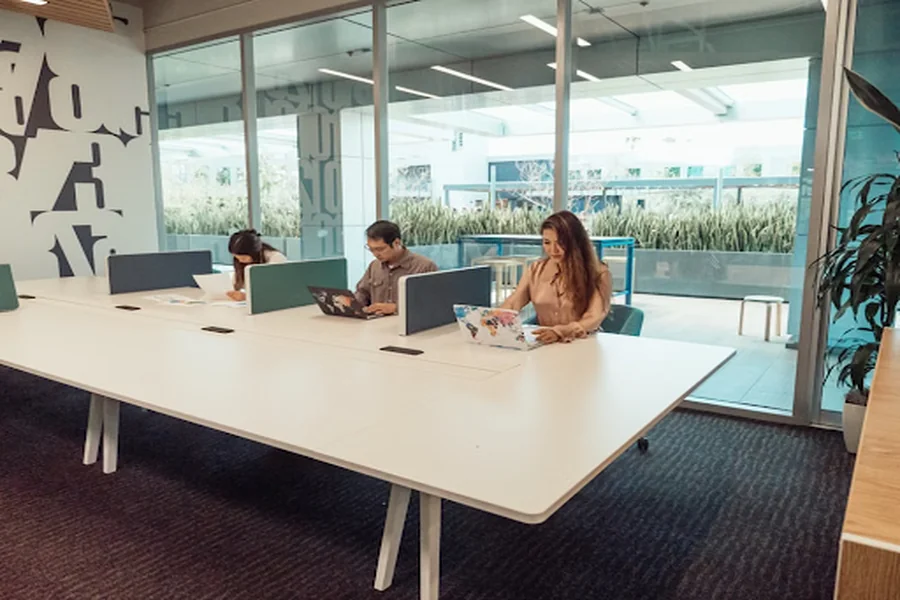
A hot desk is a shared workstation that is not permanently assigned to one employee. Instead, people use available desks according to their schedules and workplace needs. Some offices use booking systems, while others allow employees to choose an available desk when they arrive.
Hot desk culture can change how an office is organised and how employees interact with their working environment. When implemented thoughtfully, it can give businesses more flexibility while making better use of available office space.
What Is a Hot Desk?
A hot desk is essentially a shared workspace rather than a permanently allocated workstation.
In a traditional office, an employee might have a dedicated desk with their own chair, monitor, stationery and personal belongings. With hot desks, the same workstation may be used by several people on different days.
The idea works particularly well for businesses where employees do not need to be physically present in the office every day. If someone works from home several days a week, leaving a dedicated desk unused for long periods may not be the most practical use of office space.
A hot desk arrangement allows that workstation to be shared instead.
Why Are Businesses Moving Towards Flexible Seating?
One of the main reasons businesses consider hot desking is changing work patterns.
Hybrid working means employees may divide their time between home, the office, client locations and other workspaces. As a result, an office designed around one permanent desk for every employee may not always reflect how the space is actually being used.
Flexible seating allows businesses to adapt their office layout to real working patterns.
For example, a company with 50 employees may not have all 50 people working in the office at the same time. Instead of maintaining 50 permanently assigned desks, the business may create a flexible arrangement that supports the number of people who typically work on-site.
The exact approach depends on the organisation, but the principle is straightforward: office space can be designed around how people work rather than simply how many employees a business has.
Supporting Hybrid Working
Hot desking is particularly relevant to hybrid workplaces.
Employees who work from home on certain days may not need a permanent desk. Instead, they can reserve or select a workstation when they plan to work from the office.
This can make office attendance more flexible. Someone may come into the office because they have an important meeting, need access to equipment or simply prefer working around colleagues on a particular day.
The workspace can therefore support different working patterns without requiring every employee to maintain a permanent workstation.
Encouraging Interaction Between Teams
A fixed seating arrangement can sometimes mean that employees sit next to the same colleagues for long periods. Hot desking can change these patterns.
When employees use different desks, they may naturally work alongside people from other teams or departments. This can create more opportunities for informal conversations and knowledge sharing.
However, interaction should not be treated as an automatic benefit. Some employees may prefer consistency or may need quiet environments to concentrate.
This is why flexible seating often works best when combined with different types of work areas.
The Importance of Workplace Design
Simply removing assigned desks does not automatically create an effective hot desk environment.
The office still needs to support different working requirements. Some employees may need large monitors or specialised equipment, while others may mainly use a laptop.
A well-planned flexible office can include a mixture of workstations, meeting rooms, collaborative areas and quieter spaces. This gives employees more choice depending on what they need to accomplish.
Ergonomics also remain important. Shared desks should be set up in a way that allows users to adjust their chairs, screens and other equipment appropriately.
Comfort should not be sacrificed simply because the workstation is shared.
Technology and Desk Booking
Technology can make hot desking easier to manage.
Some businesses use desk booking platforms that allow employees to reserve a workstation before arriving at the office. These systems can show which desks are available and may help businesses understand how different areas are being used.
Booking systems can also be useful when certain desks have specific equipment or are located in particular areas.
However, technology should support the workplace rather than make it unnecessarily complicated. If booking a desk takes too many steps, employees may become frustrated.
The right system depends on the size of the organisation and how much flexibility employees actually need.
Cleanliness and Shared Workstations
Because hot desks are used by multiple people, cleanliness becomes an important consideration.
Employees may use the same keyboard, mouse, desk surface or other equipment at different times. Businesses should therefore establish sensible expectations for keeping shared workstations clean and ready for the next user.
Some organisations provide cleaning materials so employees can quickly wipe down their workstation before or after use. Others may have workplace teams responsible for regular cleaning.
The goal is to make shared desks comfortable and practical for everyone.
Personal Belongings and Storage
One challenge of hot desking is deciding where employees keep personal belongings.
A permanent desk provides obvious storage for stationery, documents and other items. A shared workstation does not.
Businesses using hot desks may therefore need lockers, personal storage areas or digital systems that reduce the need for physical paperwork.
Employees may also need clear guidance about what can be left at a workstation and what should be taken away at the end of the day.
This can help maintain a clean and consistent workspace.
Potential Challenges of Hot Desking
Although hot desking can offer flexibility, it is not suitable for every employee or business.
Some people may find it difficult to concentrate when their surroundings change regularly. Others may prefer having a consistent workspace where they can keep their equipment and familiarise themselves with their work.
There can also be practical challenges if too many employees arrive on the same day and not enough desks are available.
These issues do not necessarily mean that hot desking cannot work. They highlight the importance of planning the system around actual employee needs rather than adopting it simply as a trend.
How Businesses Can Make Hot Desking Work
A successful hot desk arrangement usually starts with understanding how employees actually use the office.
Businesses can consider attendance patterns, job requirements and the types of equipment employees need. They can then design the workspace around these findings.
Clear communication is also important. Employees should understand how desks are allocated, what happens to personal belongings and how shared workstations should be left at the end of the day.
Giving employees some choice can also make the transition easier. A flexible office does not have to mean that every desk is completely interchangeable.
Conclusion
Hot desk culture reflects the changing nature of modern work. As more employees divide their time between the office and other locations, businesses are looking for ways to make workplaces more flexible and practical.
Shared workstations can help businesses adapt office space to actual usage while giving employees more freedom over where they work. However, successful hot desking requires more than simply removing assigned desks.