
How Businesses Benefit from Towing and Recovery Services
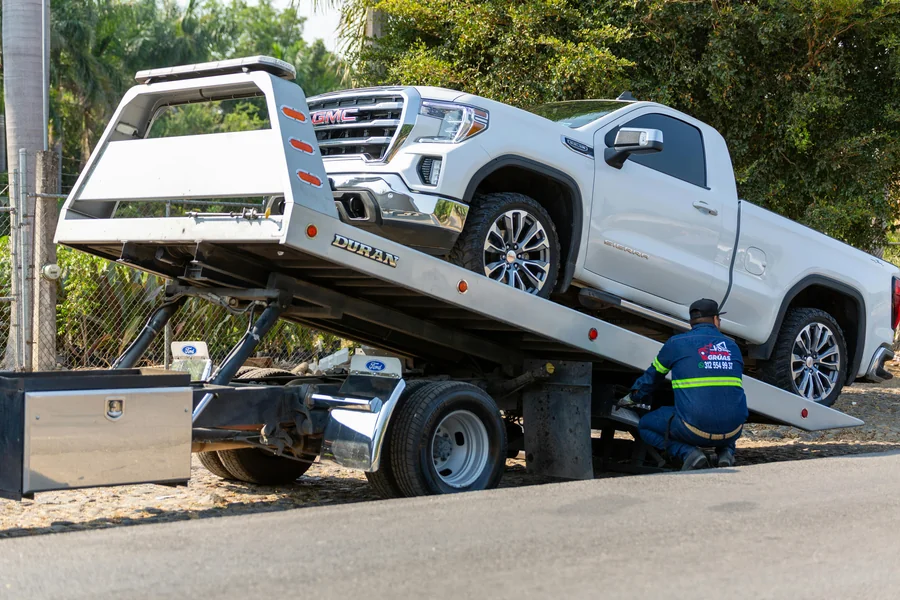
Modern businesses rely heavily on efficient fleet and logistics management to keep operations running smoothly. Whether it’s delivering goods, transporting equipment, or supporting field teams, vehicles play a central role in maintaining productivity. However, even the most well-maintained fleet can face unexpected disruptions. Breakdowns, roadside incidents, and collisions can quickly derail schedules, delay deliveries, and increase operational costs.
Many businesses focus on preventive maintenance, but that alone does not eliminate risk. A single incident on the road can lead to hours of downtime, missed deadlines, and added pressure on logistics teams. This is why companies need a clear strategy for handling emergencies when they occur. Planning for vehicle recovery is not just about fixing a problem; it is about protecting the entire operation from cascading disruptions.
The Hidden Disruption of Road Incidents in Business Logistics
A roadside incident does more than take one vehicle out of service. It can delay multiple deliveries, affect customer expectations, and create scheduling conflicts across teams. When a truck or service vehicle is stuck, the ripple effect spreads quickly through the entire supply chain. This is especially true for businesses that operate on tight timelines or depend on just-in-time delivery models.
While many fleet managers invest heavily in maintenance programs, fewer plan for what happens after an incident occurs. This gap often leads to confusion, slower response times, and higher costs. Partnering with a company that offers accident recovery services can help address this challenge by ensuring a quick response and efficient vehicle recovery.
Minimizing Operational Downtime with Rapid Response
Time is one of the most critical factors in business logistics. When a vehicle goes down, every minute counts. Professional towing providers offer 24/7 availability, allowing businesses to respond immediately regardless of when an incident occurs. Quick dispatch and efficient routing mean recovery teams can reach the scene faster and begin work without delay.
Rapid response also helps reduce the overall impact on operations. The sooner a vehicle is cleared or transported, the sooner schedules can be adjusted and deliveries resumed. This level of responsiveness is especially valuable for industries that rely on tight delivery windows, where even short delays can lead to financial penalties or lost opportunities.
Liability and Safety Management on the Roadside
Roadside incidents pose serious safety risks not only for drivers but also for other motorists. Without proper handling, an accident scene can quickly become hazardous. Professional towing operators are trained to manage these situations safely, using proper traffic control measures and recovery techniques to reduce risks.
Beyond safety, there are also legal considerations. Improper handling of a damaged vehicle or accident scene can lead to liability issues and insurance complications. By relying on experienced recovery teams, businesses can ensure incidents are managed in accordance with regulations, protecting both their employees and their financial interests.
Meeting Specialized Equipment and Recovery Needs
Not all vehicle recoveries are the same. A standard tow truck may handle small commercial vehicles, but larger fleets often require specialized equipment. Heavy-duty trucks, trailers, and construction machinery require advanced tools such as rotator booms, winch-out systems, and air-cushion recovery systems. These tools allow operators to handle complex situations without causing additional damage.
Trained professionals also play a key role in effectively using this equipment. They understand weight distribution, terrain challenges, and safe recovery techniques. This ensures that even overturned or off-road vehicles can be recovered efficiently. For businesses, this level of expertise helps protect valuable assets and reduces the risk of further repair costs.
Improving Financial Predictability and Cost Control
Unexpected roadside incidents often come with unpredictable expenses. Emergency towing calls can vary widely in cost depending on timing, location, and complexity. Without a plan in place, businesses may end up paying premium rates during urgent situations. This makes budgeting for fleet operations more difficult.
Establishing relationships with towing providers helps stabilize these costs. Service agreements often include transparent pricing, priority response, and consistent service standards. Over time, this approach can reduce both direct expenses and indirect costs such as delays, missed deadlines, and lost productivity.
Navigating Post-Incident Logistics and Scene Management
After an accident, the recovery process involves more than just moving a vehicle. There may be debris on the road, damaged cargo, or coordination with local authorities required. In many cases, traffic conditions and road safety concerns add further complexity to the situation. Managing these elements quickly is essential to avoid further disruption and maintain traffic flow.
Professional recovery teams handle these tasks in an organized way. They clear debris, transport vehicles to appropriate facilities, and coordinate with relevant parties such as law enforcement and insurance providers. Their ability to manage multiple aspects of the incident at once helps reduce delays and confusion. This streamlined approach allows businesses to focus on restoring normal operations as soon as possible.
Protecting Brand Reputation Through Professional Response
A roadside incident involving a company vehicle is often visible to the public. How quickly and professionally the situation is handled can influence how the business is perceived. In highly competitive industries, even small incidents can shape customer opinions. Delays or poorly managed scenes can create a negative impression, especially if branded vehicles are involved.
A professional recovery response helps maintain a company’s image. Quick clearance, organized handling, and attention to safety show that the business takes responsibility seriously. Consistent and professional incident management also reflects strong internal processes. This not only protects public perception but also reinforces trust with customers and partners who rely on consistent service.
Building a More Resilient Business Operation
Towing and recovery services play a larger role in business operations than many companies realize. They help reduce downtime, improve safety, and bring greater control over costs. When integrated into a broader logistics strategy, they support smoother day-to-day operations and faster recovery from unexpected events.
Businesses that plan for roadside incidents are better prepared to handle disruptions without major setbacks. By working with experienced providers, they ensure that vehicles, employees, and schedules are protected. This level of preparedness strengthens overall resilience and keeps operations moving even when challenges arise.