
How Do HVAC Contractors Diagnose Hidden Airflow Issues That Affect System Performance?
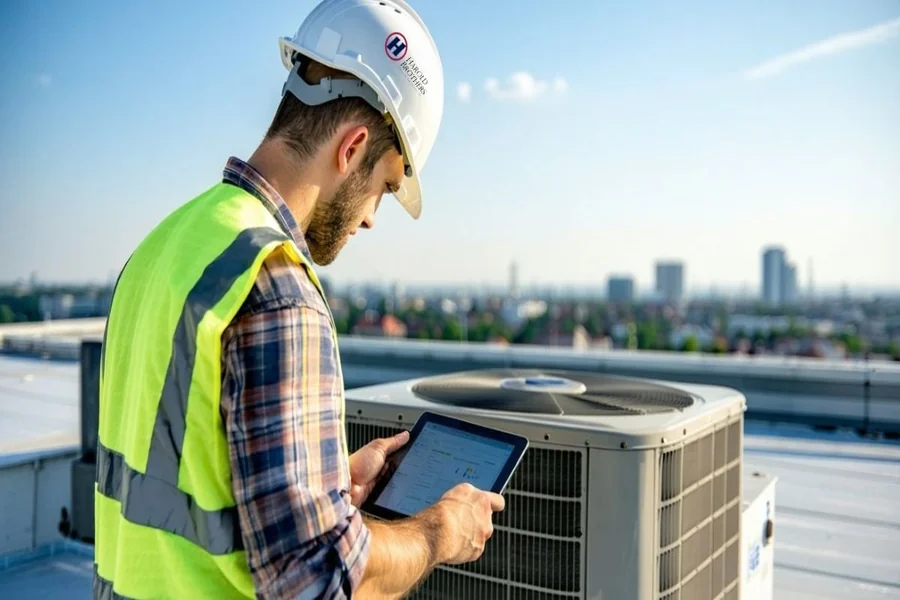
Heating and cooling equipment often gets blamed when comfort starts slipping, but the real problem is not always inside the unit. A system can have a working thermostat, a clean-looking filter, and equipment that still turns on normally, yet the home may feel uneven, stuffy, noisy, or slow to heat and cool. Hidden airflow issues create these problems quietly by reducing how effectively air moves through the duct system and living spaces. HVAC contractors know that poor airflow can lower comfort, raise utility costs, and place unnecessary strain on major components long before a total failure becomes obvious.
Following the Airflow Path
Reading Early Warning Signs Indoors
HVAC contractors usually begin by looking at the symptoms homeowners notice every day, because hidden airflow problems tend to show themselves through patterns rather than one dramatic breakdown. Some rooms may feel too warm in summer or too cool in winter, while others stay comfortable for no clear reason. The system may run for a long time without reaching the thermostat setting, or it may shut off and restart more often than expected. Contractors also pay attention to weak airflow at certain vents, unusual whistling sounds, pressure differences when doors close, and a buildup of dust that suggests air is not moving properly through the return and supply pathways. These clues matter because they help determine whether the problem is isolated to one branch of the ductwork, the return side of the system, or a larger airflow imbalance affecting the whole house. Instead of assuming the equipment is undersized or worn out, contractors compare room conditions, listen to the homeowner’s description of the issue, and look for signs that conditioned air is being restricted, redirected, or lost before it reaches the spaces where it is needed most.
The diagnostic process often extends beyond simple filter changes to include a comprehensive evaluation of the system’s static pressure. When internal components like the blower assembly or evaporator coils become layered with microscopic debris, the resistance created forces the mechanical hardware to consume excessive energy. Property owners who suspect their ventilation is underperforming can Click here to gain a deeper understanding of how professional-grade sensors pinpoint these subtle inefficiencies within the ductwork. By addressing these hidden friction points early, you prevent the gradual degradation of the compressor and ensure that every room receives a balanced volume of conditioned air throughout the seasonal transitions.
Using Measurements to Confirm the Cause
Once the comfort pattern suggests an airflow problem, contractors move from observation to testing to identify the actual source of the issue. Static pressure readings are one of the main tools in this process because they reveal whether the blower is pushing or pulling against too much resistance. If pressure is too high, it often indicates a blocked filter, undersized return ductwork, a dirty indoor coil, closed dampers, or damaged flexible ducts that have been crushed or kinked. Contractors may also measure airflow at supply registers, compare temperature change across the system, and inspect whether the volume of delivered air matches what the equipment is supposed to move. These tests help separate airflow faults from refrigerant issues, ignition problems, or thermostat errors that can create similar complaints. Many homeowners searching for answers eventually come across HVAC repairs in Westford, MA, from Elemental Heating & Cooling when they realize that poor comfort can stem from airflow restrictions rather than an obvious equipment failure. By relying on measurement rather than guesswork, contractors avoid unnecessary part replacements and focus on the condition, actually reducing system performance behind the scenes.
Finding these underlying balance issues before severe seasonal shifts occur supports overall system reliability. Homeowners can continue reading to discover how early troubleshooting minimizes energy waste and stabilizes home utility bills during peak usage periods. Correcting minor delivery constraints ensures proper airflow patterns throughout the house, protecting sensitive internal electronics from early wear and structural strain.
A balanced air distribution network is fundamental for maintaining consistent temperatures and overall system efficiency within a modern home. When a unit fails to meet expectations, technicians often perform a total external static pressure test to evaluate the resistance within the ductwork. Engaging a professional furnace repair service in Greenville allows for the use of advanced diagnostic tools, such as digital manometers, to identify these hidden restrictive zones. By accurately measuring the pressure drop across filters and coils, experts can distinguish between a failing blower motor and simple debris accumulation. This methodical approach ensures that airflow remains within the manufacturer’s recommended parameters to prevent premature equipment wear.
Inspecting Hidden Trouble Inside the System
Testing points the contractor in the right direction, but physical inspection is what often reveals why the airflow problem developed in the first place. Flexible ducts may have sagged between supports, been pinched in tight attic spaces, or separated at a connection, allowing conditioned air to leak into an unconditioned area. Metal ducts can develop loose seams, disconnected joints, or damaged transitions that quietly reduce airflow over time. Contractors also inspect return grilles, blower compartments, evaporator coils, and filter racks because restrictions on the return side can be just as damaging as supply-side leaks. In homes that have been remodeled, airflow issues sometimes arise from additions or room changes made without adjusting the duct layout to match the house’s new demands. Contractors may also look for attic insulation falling onto duct runs, pest damage, moisture around duct insulation, or signs that a closed interior door is blocking return air from a room. Hidden airflow issues rarely come from one simple cause. More often, they result from several smaller conditions that combine to make the equipment work harder while delivering less comfort. Careful inspection allows contractors to connect the homeowner’s complaints, the system readings, and the physical evidence into one clear diagnosis.
Beyond obvious obstructions like furniture or neglected filters, internal system components often play a quiet role in restricting air movement. Mechanical fatigue in the blower motor or misaligned fan speeds can reduce the force needed to push conditioned air through long duct runs. Homeowners frequently search for ac repair near me when they notice these persistent weak spots that a simple filter change cannot resolve. A technician evaluates these electrical and mechanical factors alongside static pressure readings to determine if the system is truly underperforming. Addressing these deeper technical imbalances ensures that every room receives the intended volume of air, preventing the unnecessary strain that eventually leads to premature equipment failure.
Maintaining optimal indoor comfort requires more than just high-quality components; it demands a system where every part operates in perfect harmony. When airflow is restricted or imbalanced, the resulting strain on the blower motor and heat exchanger can lead to premature mechanical failure. Homeowners often overlook how these subtle diagnostic details influence long-term reliability. Addressing these issues early through professional furnace repair ensures that the heating cycle remains efficient and consistent throughout the colder months. By prioritizing regular inspections of the ductwork and filtration system, you can mitigate the hidden inefficiencies that often drive up energy costs and compromise the overall lifespan of your residential climate control equipment.
Why Accurate Airflow Diagnosis Matters
Airflow problems affect far more than how strong the air feels at a vent. They influence run time, room balance, humidity control, equipment strain, energy use, and the reliability of the entire system across the season. HVAC contractors diagnose hidden airflow issues by paying attention to indoor comfort patterns, confirming conditions with pressure and airflow testing, and inspecting the system where restrictions and leaks are most likely to hide. That process matters because symptoms alone can be misleading, and replacing equipment will not solve a problem caused by poor air movement. When the real airflow issue is identified, repairs become more targeted, performance improves, and the system has a much better chance of delivering steady comfort again.