
How DUI Lawyers Challenge Breathalyzer Evidence in West Palm Beach
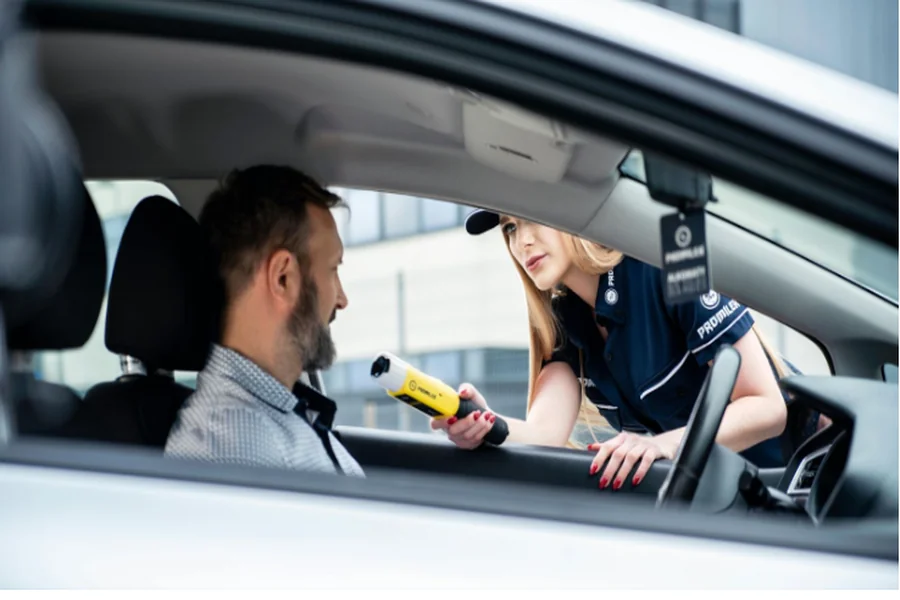
When facing DUI charges in West Palm Beach, understanding how lawyers challenge breathalyzer evidence is essential. They meticulously analyze calibration and maintenance logs, scrutinizing any discrepancies that might compromise the test’s reliability. You must consider the officer’s training and adherence to protocol, as deviations can invalidate results. Additionally, physiological and environmental factors often skew readings. These elements could considerably impact case outcomes, leaving you to ponder the complexities of breathalyzer evidence in DUI defense.
Understanding the Role of Breathalyzers in DUI Cases
Breathalyzer tests play a vital role in DUI cases, serving as primary evidence for determining a driver’s blood alcohol concentration (BAC). When you’re faced with charges, understanding breathalyzer technology is fundamental. These devices estimate BAC through infrared spectroscopy or fuel cell sensors, providing quick results, and their legal implications are significant since courts often rely on them as proof of impairment. However, breathalyzer results are not infallible and can be challenged based on issues such as calibration, operation, and procedural compliance. Gaining clarity on these factors—and consulting with an experienced DUI attorney in West Palm Beach when questions arise—can help drivers better understand their options and protect their rights throughout the legal process.
Common Issues With Breathalyzer Devices
When you’re dealing with breathalyzer devices, understanding their limitations is vital for challenging DUI evidence. Calibration and maintenance are essential because even slight deviations can lead to inaccurate results. Additionally, operator training and certification, along with environmental and physiological factors, can greatly impact the device’s reliability, making it imperative to scrutinize these aspects in any legal defense.
Calibration and Maintenance Requirements
Ensuring the accuracy of breathalyzer results hinges critically on strict adherence to calibration and maintenance protocols, as these devices are only as reliable as their upkeep. Regular calibration intervals are necessary to maintain the precision of these instruments. If a breathalyzer isn’t calibrated according to the manufacturer’s specifications, its results can be questioned. Furthermore, maintaining thorough maintenance logs is essential. These logs should document each device’s service history, including any repairs or recalibrations. Without detailed records, the device’s reliability could be compromised, providing a solid ground for legal challenges. In West Palm Beach, DUI lawyers scrutinize these records to identify inconsistencies or lapses. If discrepancies in calibration or maintenance are found, it can cast doubt on the breathalyzer’s evidentiary value.
Operator Training and Certification
One critical factor in the reliability of breathalyzer results is the operator’s training and certification. If you’re analyzing breathalyzer evidence, scrutinize how well the operator met specific qualifications and adhered to training standards. Here’s how you can critically assess this area:
- Certification Validity: Check if the operator’s certification was current at the time of testing. Lapsed credentials can undermine evidence credibility.
- Training Completion: Confirm that the operator completed mandated training standards. Inadequate training can lead to procedural errors.
- Experience Level: Evaluate the operator’s experience. A novice might lack the practical insight to handle complex scenarios.
- Ongoing Education: Determine if the operator engaged in continuous education, staying updated on evolving breathalyzer technologies.
These factors can notably impact the breathalyzer’s evidential value.
Environmental and Physiological Factors
Beyond the operator’s training, understanding the external and internal factors influencing breathalyzer accuracy is vital. Environmental influences such as temperature and humidity can impact the device’s function, leading to skewed readings. If you’re in an area with extreme weather conditions, the breathalyzer may not perform at its best. Additionally, physiological variations among individuals further complicate matters. For instance, certain medical conditions can affect how alcohol is metabolized, resulting in inaccurate blood alcohol content readings. The presence of mouth alcohol from recent consumption of substances like mouthwash can also distort results. When you consider these variables, it becomes clear that a breathalyzer isn’t infallible. Recognizing these potential inaccuracies can be significant when challenging breathalyzer evidence in legal settings.
The Importance of Device Calibration and Maintenance
Although often overlooked, the calibration and maintenance of breathalyzer devices are vital in guaranteeing the accuracy of DUI evidence. Device reliability hinges on strict adherence to calibration standards. Here’s why it matters:
- Accuracy: Properly calibrated devices provide accurate blood alcohol content readings, reducing the chance of wrongful DUI charges.
- Consistency: Regular maintenance guarantees the device functions consistently across different tests, maintaining reliability over time.
- Legal Compliance: Adhering to calibration standards is vital for the device’s results to hold up in court. Non-compliance might lead to evidence being dismissed.
- Trustworthiness: Well-maintained devices reinforce public trust in law enforcement procedures, showing commitment to fairness and accuracy.
Don’t underestimate the power of meticulous device maintenance in upholding justice.
Examining Officer Training and Test Administration
Effective officer training and precise test administration are pivotal in guaranteeing the integrity of DUI cases. When you’re examining the role of officer experience in administering breathalyzer tests, it becomes clear that their proficiency directly impacts test outcomes. Officers must be well-versed in standardized test procedures, as any deviation can compromise results. An experienced officer understands the importance of following protocol meticulously, from preparing the device to interpreting the readings. Inconsistencies in test administration can be significant grounds for challenging breathalyzer evidence. You should also consider whether officers have undergone proper training and recertification. This scrutiny guarantees that only reliable evidence is presented in court. By highlighting flaws in officer training or test procedures, you can effectively question the validity of breathalyzer results.
Impact of Physiological Factors on Test Accuracy
You might not realize how considerably physiological factors can skew breathalyzer results. Variations in individual metabolism and alcohol absorption rates can lead to inaccurate readings, potentially impacting legal outcomes. Additionally, certain medical conditions, like diabetes or GERD, can produce misleadingly high blood alcohol readings, underscoring the importance of thorough evaluation by DUI lawyers.
Metabolism and Alcohol Absorption
Understanding the intricacies of metabolism and alcohol absorption is essential for evaluating the accuracy of breathalyzer tests. Your body’s alcohol metabolism and absorption rates can greatly affect breathalyzer results. Here’s how:
- Absorption Variability: Alcohol absorption rates vary based on body weight, sex, and food intake. These factors can skew results, leading to inaccuracies.
- Metabolic Differences: Individual metabolic rates determine how quickly alcohol is processed. Faster metabolism might result in lower breath alcohol content at the time of testing.
- Peak Alcohol Concentration: Breathalyzers might not accurately reflect your blood alcohol level if tested before the alcohol has fully absorbed into your bloodstream.
- Time Lag: The delay between consumption and testing can impact readings, as alcohol levels in the breath may differ from those in the blood.
Understanding these factors helps challenge breathalyzer evidence effectively.
Medical Conditions Affect Results
While breathalyzer tests are generally considered reliable, certain medical conditions can skew their accuracy, leading to potentially erroneous results. If you have diabetes, for instance, your body may produce acetone, which some breathalyzers can misinterpret as alcohol. Additionally, conditions like gastroesophageal reflux disease (GERD) can cause alcohol vapor from the stomach to rise into the esophagus, falsely elevating breathalyzer results. Even asthma inhalers, which contain alcohol, can impact readings. Understanding these nuances is essential for challenging breathalyzer evidence in West Palm Beach. Your lawyer can argue that these medical conditions may have compromised the test’s validity. By highlighting how physiological factors can affect breathalyzer results, you strengthen your defense, emphasizing the need for accurate, individualized assessments in DUI cases.
Legal Strategies for Challenging Breathalyzer Results
When facing DUI charges, challenging breathalyzer results can be a critical legal strategy. You must scrutinize the breathalyzer’s reliability and explore legal precedents that can invalidate its findings. Here’s how this can be accomplished:
- Question Device Accuracy: Argue that the breathalyzer used was not scientifically reliable, based on past device performance issues.
- Invoke Legal Precedents: Present cases where similar breathalyzer results have been dismissed due to unreliability.
- Challenge Officer Training: Assert that the officer lacked proper training or failed to follow protocol during the test administration.
- Examine Environmental Factors: Highlight how external conditions, such as temperature or radio frequency interference, could’ve skewed results.
The Significance of Maintenance and Calibration Records
You can’t underestimate the importance of accurate maintenance and calibration records for breathalyzers, as these documents are essential for ensuring equipment reliability. Regular calibration is necessary to avert erroneous readings, which could greatly impact legal outcomes in DUI cases. By meticulously examining these records, you can challenge the validity of the breathalyzer results, potentially altering the course of a case.
Importance of Accurate Records
Accurate maintenance and calibration records are integral to ensuring the reliability of breathalyzer evidence in DUI cases. When these records lack precision, the credibility of the evidence can be compromised. Record accuracy is essential because it provides a verifiable history of the breathalyzer’s performance and upkeep. The documentation importance cannot be overstated, as it serves as an audit trail. Consider the following critical reasons:
- Verification: Accurate records confirm that the device was functioning correctly during the test.
- Accountability: They hold operators responsible for following proper maintenance protocols.
- Legal Defense: Defense attorneys can scrutinize these records to challenge the evidence.
- Error Identification: Inaccurate documentation can indicate potential errors or malfunctions.
Frequency of Equipment Calibration
Regular calibration of breathalyzers is essential to confirm their accuracy and reliability in DUI cases. You should know that calibration frequency is a critical factor that can heavily influence equipment reliability. If breathalyzers aren’t calibrated regularly, their readings can become inaccurate, leading to unjust outcomes. In technical terms, a lack of consistent calibration means the device’s sensors might drift, compromising the integrity of the test results. As a discerning individual, you must verify that the breathalyzer used in your situation has undergone meticulous maintenance according to manufacturer specifications. By closely examining calibration records, you can assess whether the equipment has been maintained properly. This insight allows you to question the reliability of the evidence presented against you, potentially undermining the prosecution’s case.
Impact on Legal Outcomes
When examining the impact on legal outcomes, the significance of maintenance and calibration records cannot be overstated. These records can be pivotal in challenging DUI charges, as they directly affect the credibility of breathalyzer results. Consider the following implications:
- Case Outcomes: Inaccurate or missing records can lead to dismissed charges, altering the defendant’s future.
- Legal Precedents: Courts may establish new standards for evidence admissibility based on maintenance issues.
- Defense Strategies: Lawyers often scrutinize these documents to find inconsistencies that question reliability.
- Judicial Decisions: Judges might exclude breathalyzer evidence if maintenance standards aren’t met, impacting rulings.
Questioning the Conditions of the Test Environment
Although breathalyzer tests are commonly used in DUI cases, the conditions under which these tests are administered can greatly impact their reliability. As a DUI lawyer, you’d analyze the test location and question whether it was appropriately controlled. Was the test conducted in a noisy, chaotic environment, like a roadside with fluctuating temperatures and exhaust fumes? Such factors can compromise the test’s accuracy by affecting the breathalyzer’s sensors. You’d argue that environmental controls are essential; for instance, the presence of radio frequency interference can skew results. By highlighting these environmental deficiencies, you can question the validity of the breathalyzer evidence. Your approach would focus on demonstrating how these variables might lead to unreliable test results, ultimately challenging the prosecution’s case.
Case Studies: Successful Challenges to Breathalyzer Evidence
In challenging DUI cases, demonstrating successful outcomes from previous breathalyzer evidence disputes can be a powerful strategy. Examining these case outcomes reveals defense tactics that effectively undermine breathalyzer reliability. Consider these examples:
- Device Malfunction: In one case, the defense proved the breathalyzer was improperly calibrated, resulting in inadmissible evidence.
- Operator Error: Another case highlighted an officer’s failure to follow the correct procedure, leading to dismissal.
- Medical Conditions: A defendant’s medical history was used to argue that a condition skewed the results, securing an acquittal.
- Environmental Factors: Evidence of environmental interference, such as chemical exposure, was pivotal in another case.
These case studies showcase how strategic defense tactics can sway case outcomes by scrutinizing the breathalyzer’s integrity and application.
The Future of Breathalyzer Challenges in DUI Defense
As advancements in technology and legal scrutiny evolve, the future of breathalyzer challenges in DUI defense looks promising for those questioning the device’s reliability. Future technologies, such as more sophisticated data algorithms, promise to enhance accuracy and expose inconsistencies in breathalyzer results. Legal frameworks are evolving, increasingly focusing on the scientific validity of these devices. This evolution could strengthen your position in court, as defense lawyers might exploit any technological flaws or procedural missteps. Understanding the interplay between technology and law, you’ll see how future innovations can be leveraged to challenge breathalyzer evidence effectively. Staying informed about these developments could be essential in maneuvering DUI defenses, emphasizing the potential for reduced wrongful convictions and more balanced legal outcomes.
Frequently Asked Questions
What Is the Typical Cost of Hiring a DUI Lawyer in West Palm Beach?
Hiring a DUI lawyer in West Palm Beach typically costs between $1,500 and $10,000. Cost factors include lawyer fees, case complexity, and experience level. You’ll want to analyze these elements to guarantee you’re getting effective representation within your budget.
How Long Does It Take to Resolve a DUI Case Involving Breathalyzer Evidence?
The DUI timeline for cases involving breathalyzer evidence varies but typically takes several months. Case duration depends on factors like evidence complexity and court schedules. It’s essential to work with an experienced lawyer to potentially expedite the process.
Can a DUI Conviction Be Expunged From My Record in Florida?
Yes, you can potentially have a DUI conviction expunged in Florida, but it’s complex. The DUI expungement process requires meeting specific criteria. Florida record sealing might be an alternative if expungement is not possible. Consult a lawyer.
Are There Alternative Penalties to Jail Time for DUI Convictions?
Yes, there are alternative sentencing options for DUI convictions, like community service programs. These programs can be effective in reducing recidivism, providing offenders with opportunities to contribute positively, and potentially avoiding the harsher consequences of jail time.
How Can I Find a Reputable DUI Lawyer in West Palm Beach?
You can find a reputable DUI lawyer in West Palm Beach by utilizing referral sources like local bar associations and checking detailed lawyer reviews online. Analyzing feedback guarantees you choose someone with proven expertise and successful case outcomes.