
How Educators Strengthen Learning Outcomes in The Classroom
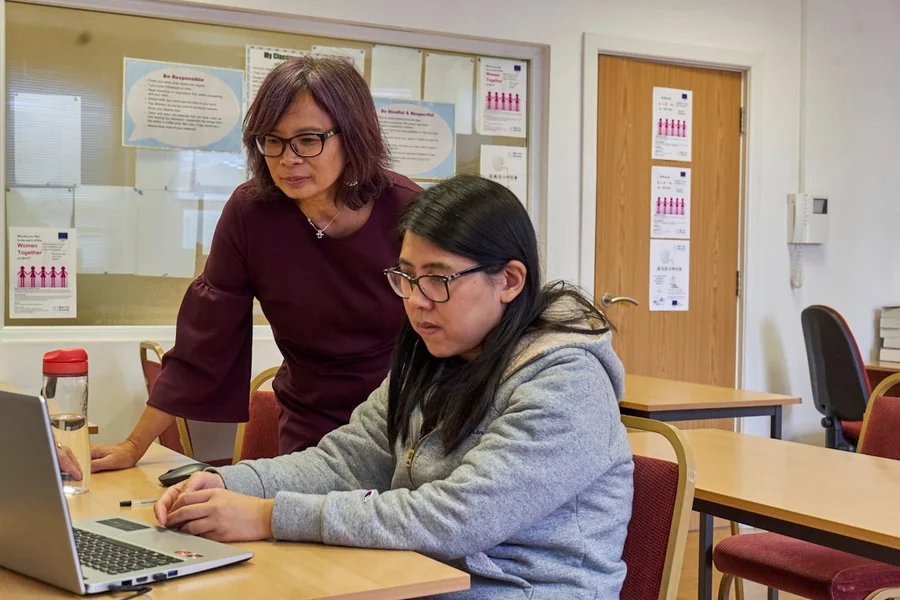
Educators shape learning outcomes through thoughtful planning, instructional clarity, and meaningful interaction with students. Their decisions influence how students absorb information, respond to challenges, and remain motivated throughout the school year. Many teachers focus on approaches that build confidence, sharpen understanding, and promote long-term growth.
Missouri’s continued attention to improving classroom quality reflects this commitment. Recent data from the Missouri Department of Elementary and Secondary Education shows that the statewide four-year graduation rate reached 90.2%, highlighting strong efforts toward academic progress. The following sections look at practical strategies that help educators guide students toward steady, measurable improvement.
Classroom Culture That Supports Student Growth
A supportive classroom culture gives students the stability and comfort they need to participate with confidence. Teachers often begin by establishing a tone that values respect and curiosity. Students feel more willing to ask questions, express ideas, and engage with lessons when they know their voices matter. Predictable routines add a sense of security, helping students understand what each day will bring.
Many educators also pay attention to how their words and actions influence the atmosphere. Warm greetings, organized workspaces, and consistent follow-through set a calm foundation. When challenges arise, patient responses help students stay focused rather than discouraged.
Professional Development That Enhances Instructional Skills
Strong teaching grows from continuous learning. Educators rely on professional development to strengthen classroom practices and adapt to the needs of evolving student populations. Workshops, peer coaching, and specialized training sessions give teachers fresh insight into instructional methods that boost understanding and engagement. These opportunities also encourage educators to think more deeply about their practice and long-term growth.
For professionals looking to take their development a step further, formal graduate study offers a structured path for deeper learning. For professionals looking to enroll in a master’s in education Missouri offers several programs to choose from. One option is the online Master of Science in Education at Northwest Missouri State University, which provides a flexible pathway for educators seeking to advance their instructional expertise. Through programs like these, educators can build advanced skills while continuing to apply research-based strategies that support effective teaching and student success.
Teaching Strategies That Promote Active Engagement
Learning strengthens when students connect with lessons on a personal level. Teachers often incorporate activities that encourage hands-on participation, meaningful conversation, and exploration of ideas. Group discussions, problem-solving tasks, and real-world examples help students see the purpose behind what they are learning. These moments spark curiosity and make information easier to remember.
Educators also adjust pacing and structure to keep energy levels steady. Short, focused instructional segments followed by active learning moments help students stay attentive. When classrooms offer a balance of instruction and interaction, students feel more invested in the process.
Clear Learning Goals Students Can Understand
Students perform better when they understand what they are working toward. Teachers often start each unit or lesson with goals stated in simple, direct language. Clear expectations guide students through the learning path and reduce uncertainty about what success looks like. When goals feel manageable, students approach tasks with stronger confidence.
Many educators break complex topics into smaller sections that help students build understanding step by step. This structure supports learners who need time to process information and those who benefit from a gradual approach.
Assessment Practices That Guide Instruction
Assessments help teachers understand how well students grasp material and which areas need more attention. Quizzes, class discussions, short writing tasks, and observational notes provide valuable insight. These tools help educators adjust lessons before misunderstandings grow.
Feedback plays an important role in this process. Students appreciate guidance that explains what they did well and what they can improve. When feedback is specific and constructive, students know how to move forward with clarity. Effective assessment practices keep learning on track and ensure that every student receives the support they need.
Support for Varied Learning Needs
Students bring different strengths, preferences, and levels of readiness into the classroom. Teachers who understand these differences can tailor instruction in ways that help every learner succeed. Many educators use flexible grouping, visual aids, or step-by-step modeling so students can work through material at a comfortable pace. Some students respond well to verbal explanations, while others learn best with hands-on tasks or structured note-taking. Thoughtful adjustments like these help students stay confident, especially when they face challenging concepts.
Teachers also pay close attention to early signs of struggle. Small shifts, such as offering extra practice or providing a different example, often prevent confusion from building. When lessons account for varied learning needs, students feel supported and capable, which leads to steady improvement and stronger engagement over time.
Educators play a central role in shaping strong learning outcomes through clear instruction, thoughtful planning, and consistent support. When classrooms feel welcoming, students approach challenges with confidence. Strategies such as professional development, active engagement, understandable goals, and purposeful assessments help teachers guide students toward steady progress.
Support for individual learning needs, collaboration with families, and mindful use of technology add even more strength to the process. Each element contributes to an environment where students develop skills, grow academically, and discover a sense of achievement that carries them forward.