
How Experts Identify Hidden Moisture During Water Damage Repairs
The Pervasive Nature Of Hidden Water Damage
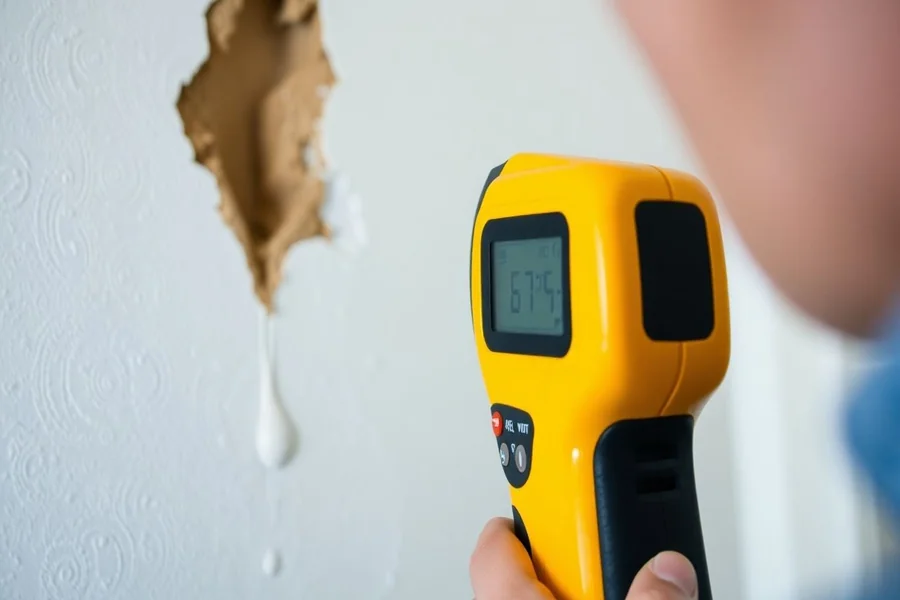
Water damage isn’t always obvious. It can hide inside walls, under floors, or behind cabinets, slowly causing problems. This hidden water damage can affect your home’s structure and even your health if not found. It’s a sneaky issue that many homeowners overlook until it becomes a bigger problem.
These hidden issues often start small, like a tiny leak from a pipe or an appliance. Over time, this moisture builds up, creating a perfect environment for mold and rot. The longer it goes unnoticed, the more damage it causes, making repairs more difficult and expensive. Spotting the signs of hidden water damage early is key.
The real trouble starts when this moisture isn’t addressed. It can weaken building materials, leading to costly structural repairs. Plus, the damp conditions can encourage mold growth, which impacts indoor air quality. Being aware of the subtle signs is the first step in preventing widespread damage.
Recognizing Musty Odors And Dampness
One of the first clues that something is wrong is a persistent musty smell. This odor, often described as earthy or like old socks, is a strong indicator of excess moisture. It’s usually most noticeable in enclosed spaces like basements, laundry rooms, or closets. Don’t ignore this smell; it often means mold is starting to grow.
This dampness can be felt too. Surfaces might feel clammy to the touch, or you might notice condensation on windows or pipes. Even if you can’t see any standing water, these sensory clues point to a problem. Pay attention to areas that seem unusually cool or damp compared to the rest of your home.
Sometimes, the smell is faint, and you might dismiss it. However, a consistent musty odor is a serious warning sign. It suggests that moisture has been present long enough to affect materials and potentially encourage microbial growth. Addressing this early can prevent more significant issues down the line.
Observing Discoloration And Material Changes
Look closely at your walls and ceilings for any changes in appearance. Water stains often show up as yellowish or brownish spots. These marks can start small but tend to spread if the leak continues. They are clear visual indicators of water intrusion, even if the source isn’t immediately apparent.
Beyond stains, watch for other material changes. Paint might start to bubble or peel away from the surface, especially near the suspected leak. Wallpaper can also lose its adhesion, appearing loose or warped. These are signs that moisture is getting behind the finishes and damaging the underlying materials.
Pay attention to floors and baseboards too. Warped floorboards, loose tiles, or baseboards that are pulling away from the wall can also signal moisture problems. These physical changes indicate that the materials are absorbing water and beginning to deteriorate. Identifying these subtle signs of hidden water damage is critical for timely intervention.
Leveraging Advanced Moisture Detection Technology
Utilizing Moisture Meters For Material Assessment
When experts suspect water intrusion, their first step often involves specialized tools. Moisture meters are key for this. These devices measure the moisture content within building materials like wood, drywall, and concrete. Professionals use both invasive and non-invasive types. Invasive meters poke tiny holes to get a direct reading, while non-invasive ones use radio waves or electrical resistance to scan the surface. This helps them understand how deep the moisture has penetrated and which materials are most affected. Accurate readings from moisture meters are vital for planning the drying process.
Employing Thermal Imaging For Behind-Surface Detection
Thermal imaging cameras are another powerful tool in the expert’s arsenal. These cameras detect temperature differences. Water, especially when it’s been sitting for a while, often has a different temperature than the surrounding dry materials. This temperature variation shows up as different colors on the camera’s screen. It allows professionals to see moisture that’s hidden behind walls, under floors, or above ceilings without having to tear everything apart. This behind-surface detection is incredibly useful for pinpointing the exact source and spread of water damage. It helps them map out the affected areas before any destructive testing is done.
Monitoring Humidity Levels With Hygrometers
Hygrometers are used to measure the relative humidity in the air. While moisture meters check the materials themselves, hygrometers assess the atmospheric moisture. High humidity levels indoors, especially after a water event, can indicate that moisture is still present in hidden cavities or that the drying process isn’t complete. Professionals use hygrometers to monitor the drying progress and to identify areas where moisture might be evaporating into the air. This data, combined with readings from moisture meters and thermal imaging, gives a complete picture of the situation. Monitoring humidity levels is a continuous process throughout the restoration.
Professionals don’t just guess where the water is. They use technology to find it. This makes the drying process faster and more effective, saving time and money in the long run.
The Importance Of Professional Water Damage Restoration
Understanding The Limitations Of DIY Detection
Trying to handle water damage yourself might seem like a good way to save money. However, water damage is tricky. It hides in places you can’t see, like inside walls or under floors. Just because you can’t see the water doesn’t mean it’s not causing problems. Mold can start growing quickly, and structural damage can get worse without anyone noticing. Professional water damage restoration is key because they have the tools and knowledge to find all the hidden moisture.
The Role Of Expertise In Interpreting Data
Experts use special tools, like moisture meters and thermal cameras, to find water. But just getting a reading isn’t enough. You need someone who knows how to read those numbers and understand what they mean for your home. A high moisture reading in one spot might be okay, but in another, it could mean big trouble. Professionals know how to interpret this data to figure out the best way to fix the problem. This expertise is what makes professional water damage restoration so effective.
Ensuring Comprehensive Water Damage Cleanup
When professionals handle water damage cleanup, they don’t just dry the visible wet spots. They look for all the moisture, even the stuff hiding deep inside materials. They also think about what might happen later, like mold growth or structural weakening. Their goal is to make sure the entire problem is fixed, not just the part you can see. This thorough approach is what separates a quick fix from proper water damage restoration.
Conducting Thorough Structural Inspections
Assessing Foundation and Load-Bearing Elements
Water damage doesn’t just sit on the surface. It can seep into the very bones of a building. Experts look closely at the foundation, checking for cracks or signs of shifting that water might have caused. They also examine load-bearing walls and beams. These are the parts that hold everything up, and any weakening here is a big problem. A compromised structure is a safety hazard. This kind of inspection is key to understanding the real damage.
Examining Walls, Floors, and Ceilings for Deterioration
When water gets into walls, floors, or ceilings, it can cause a lot of trouble. Professionals will check for warping, sagging, or bubbling. They might tap on walls to listen for hollow sounds, which can mean the material inside is wet and breaking down. Looking at the edges of materials, like where walls meet floors, is also important. This is where water often hides and starts to cause problems. A thorough check means looking everywhere, not just the obvious spots.
Identifying Rot, Corrosion, and Weakening Materials
Beyond just looking wet, materials can start to rot or corrode. Wood can get soft and crumbly, and metal parts can rust. This is especially true in basements or crawl spaces where moisture lingers. Experts know what these signs look like. They can spot the early stages of decay before it becomes a major structural issue. Identifying rot and corrosion early is vital for effective water damage repair and preventing bigger problems down the line.
Moisture Mapping For Precision Drying
What Constitutes A Moisture Map?
A moisture map is basically a visual guide. It shows exactly where water has gone and how wet things are. Think of it like a weather map, but for water damage inside a building. Professionals use special tools to find wet spots, even ones you can’t see.
These tools measure how much moisture is in different materials. They also look at temperature differences, which can point to hidden water. This detailed picture helps everyone understand the real extent of the problem. It’s not just about the water you see; it’s about all the water that’s hiding.
This process helps pinpoint the wettest areas. It also shows the boundaries of the water intrusion. Knowing this is key for planning the next steps in drying out the building. It makes the whole drying process much more effective.
Benefits Of Precision Mapping In Restoration
Using a moisture map makes drying much faster and more effective. Instead of guessing, restoration teams know exactly where to focus their drying equipment. This means less time and money spent on the job.
It also helps prevent future problems. By finding all the wet spots, even small ones, professionals can stop mold from growing. This protects the building’s structure and the health of the people inside. Precision mapping is a big deal for long-term results.
This method also helps with insurance claims. A clear moisture map provides solid proof of the damage. It shows what needs to be done and why. This makes the claims process smoother for homeowners.
The Process Of Creating A Moisture Map
Creating a moisture map starts with a careful look around. Professionals check for obvious signs like stains or peeling paint. But they don’t stop there. They use tools to look deeper.
Moisture meters are used to check materials like drywall, wood, and carpet. Infrared cameras can see temperature changes that indicate moisture behind walls or under floors. These tools work together to build a complete picture.
Finally, all this information is put together. It’s often recorded on a floor plan or diagram. This visual record is the moisture map. It guides the entire drying and restoration process.
Assessing Air Quality And Health Risks
Measuring Relative Humidity Levels
Water damage doesn’t just affect what you can see. It also changes the air inside your home. Professionals use special tools to check the relative humidity levels in rooms where water damage has occurred. High humidity is a big problem because it creates a perfect environment for mold to grow and can make building materials weaker over time. Keeping humidity in check is key to preventing further issues.
Detecting Mold Spores and Harmful Substances
Beyond just dampness, water damage can lead to the growth of mold and mildew. These aren’t just unpleasant; they can be bad for your health. Experts will test the air for mold spores and other potential contaminants that might have been released due to the water intrusion. This air quality assessment is a vital part of understanding the full impact of the water damage.
Guiding Remediation for a Safe Environment
Once the air quality is assessed, professionals can figure out the best way to fix things. Knowing about mold spores or high humidity helps them plan the cleanup and drying process. This ensures that the air in your home is not only dry but also safe to breathe. It’s all about making sure the environment is healthy again after the water damage.
- Humidity Check: Use a hygrometer to monitor levels.
- Mold Testing: Sample air for spores.
- Ventilation: Improve airflow post-cleanup.
Proper air quality assessment after water damage is not just about comfort; it’s about protecting the health of everyone in the building. Ignoring this step can lead to long-term respiratory problems and other health concerns.
Documentation And Reporting For Effective Repairs
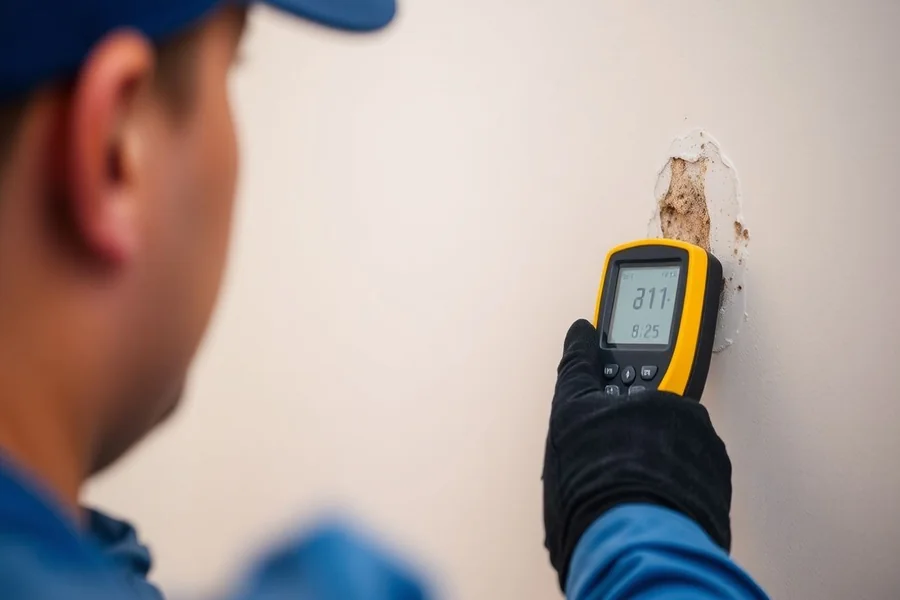
Thorough documentation is key for successful water damage repairs. It provides a clear record of what happened, what was found, and what needs to be done. This process helps everyone involved understand the scope of the problem and the plan to fix it.
Recording Visible Damage And Moisture Readings
Experts start by noting everything they can see. This includes stains, peeling paint, or warped materials. They also record readings from moisture meters. These numbers show exactly how wet different parts of the building are. This detailed record is the first step in understanding the full extent of the water damage. It helps track progress and confirm that drying efforts are working.
Detailing Structural Issues And Mold Growth
Beyond surface-level damage, professionals look for deeper problems. They document any signs of rot, corrosion, or weakening in structural elements. If mold is found, its location and severity are carefully recorded. This information is vital for planning repairs that address the root cause and prevent future issues. Proper documentation ensures that all compromised areas are accounted for.
Creating Comprehensive Reports For Insurance And Planning
All the gathered information is compiled into a detailed report. This report serves multiple purposes. It acts as a reference for the repair team, guides insurance claims, and informs property owners about the work needed. A good report includes:
- Dates of inspection and findings
- Photographs of damage
- Moisture meter readings and thermal imaging results
- Description of structural concerns
- Assessment of mold presence
- Recommended repair and drying procedures
This structured approach to documentation makes the entire water damage restoration process more transparent and efficient. It ensures that no detail is overlooked, leading to more effective and lasting repairs.
This careful documentation process is not just about recording facts; it’s about building a clear roadmap for recovery. It ensures that the water damage restoration is handled systematically, from initial assessment to final cleanup, providing peace of mind to the property owner.
Wrapping Up: Why Professional Eyes Matter
So, when it comes to water damage, especially the kind that likes to hide, it’s not always a DIY job. Experts have all these cool tools, like moisture meters and thermal cameras, that can see what our eyes can’t. They know where to look and what to look for, from weird smells to subtle changes in materials. Trying to fix it yourself might miss the real problem, leading to bigger headaches later, like mold or structural issues. That’s why, if you suspect water damage, calling in the pros is usually the smartest move to make sure everything is truly dry and safe.