
How Leather Dining Chairs Bring Comfort and Style to Modern Dining Spaces
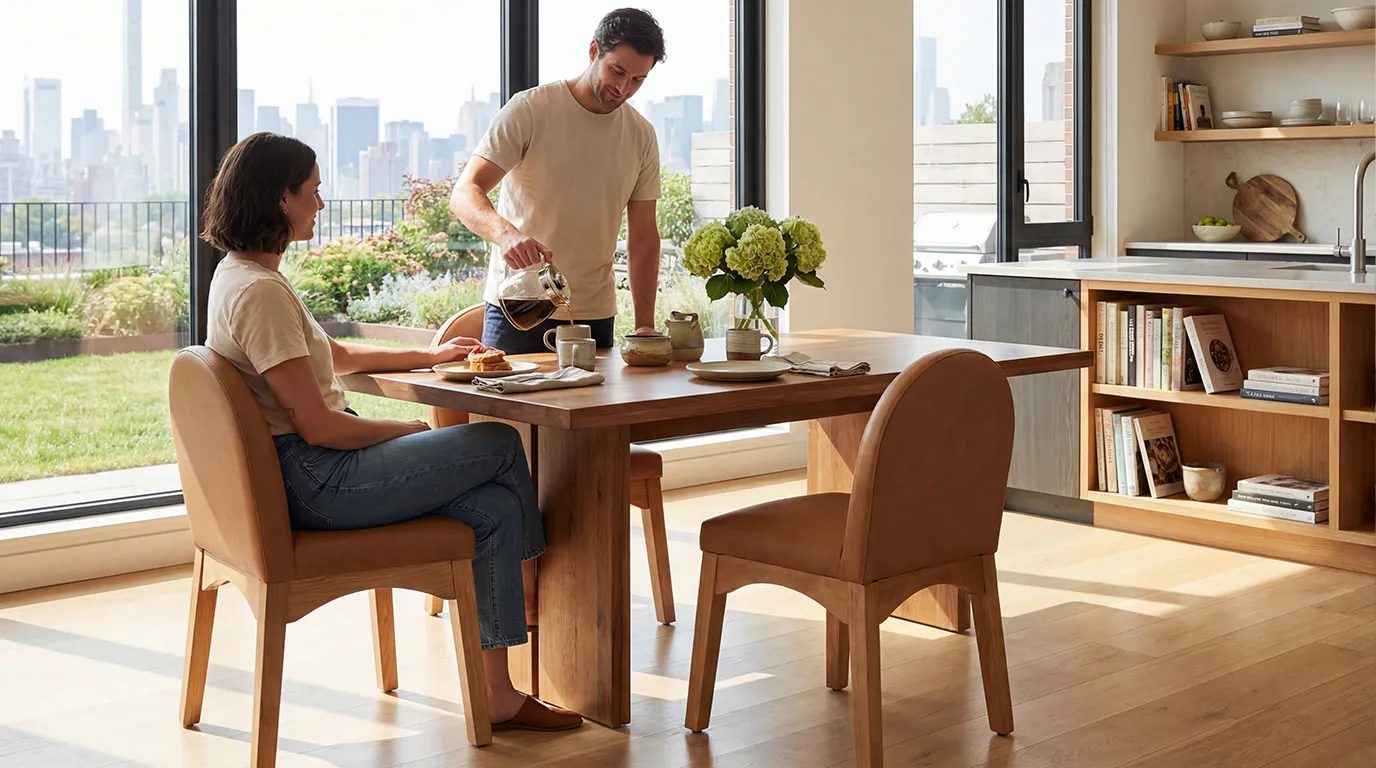
Leather furniture has remained a popular choice for homes because it combines durability, comfort, and a clean, timeless appearance. In the dining room, leather can add a more polished look without making the space feel overly formal. A well-made leather dining chair can work with many types of dining tables and interior styles, making it a practical option for both modern and traditional homes.
Dining chairs are used regularly, so appearance is only one part of the decision. They also need to provide enough support for everyday meals, family conversations, working from the dining table, and entertaining guests. Leather dining chairs can meet these needs while adding texture and character to the room. With the right design and proper care, they can remain comfortable and attractive for many years.
The Long History of Leather Furniture
Leather has been used by people for thousands of years. Before it became associated with luxury furniture, leather was mainly valued for practical reasons. It was strong, flexible, and more resistant to wear than many other natural materials. These qualities made it useful for clothing, bags, footwear, seating, and other everyday items.
As furniture-making techniques developed, leather started to become more closely linked with quality and status. Craftsmen learned how to treat hides in different ways to improve their texture, colour, and durability. Leather seating became common in homes and formal settings, eventually becoming a familiar feature in dining rooms, offices, living rooms, and other areas.
Today, leather furniture combines many of these traditional qualities with modern manufacturing methods. Improvements in tanning, cutting, stitching, cushioning, and frame construction have made leather chairs more comfortable and consistent. At the same time, the natural appearance of leather continues to give furniture a distinctive character.
What Makes Leather Dining Chairs Different
One of the most noticeable qualities of leather is its appearance. Unlike some synthetic materials that are manufactured to have a completely uniform surface, genuine leather can have natural variations. Small changes in grain, texture, and colour can give each chair its own look.
Leather can also develop changes over time. Depending on the type of leather and how it is maintained, regular use can create a softer surface and a more lived-in appearance. For many homeowners, this ageing process adds character instead of making the furniture look old.
Another benefit is that leather works with many interior styles. A dark leather chair can give a dining room a traditional and more formal appearance, while lighter colours can make the space feel more relaxed. Black, brown, tan, grey, cream, and other shades can be paired with different table finishes and room colours.
This flexibility makes leather a useful material for homeowners who want dining furniture that can continue to work even if they change other parts of the room.
The Craftsmanship Behind a Quality Leather Dining Chair
A good leather dining chair involves more than simply covering a frame with leather. Several parts need to work together to create a chair that is comfortable, stable, and durable.
The process starts with the selection of the leather. Different hides have different textures, thicknesses, grain patterns, and levels of durability. The intended use of the chair can influence which type of leather is suitable. Dining chairs that are used every day need material that can handle frequent contact and regular cleaning.
After the leather has been selected and prepared, it is cut according to the design of the chair. Accurate cutting is important because poorly fitted pieces can affect both the appearance and durability of the finished product. The leather is then shaped around the seat, backrest, and other sections of the chair.
Stitching is another important part of construction. Strong and even seams help hold the material in place while also contributing to the chair’s appearance. Depending on the design, stitching can be subtle or used as a visible decorative feature.
The frame underneath the leather is equally important. A strong wooden or metal frame provides the structure needed to support the user. Good cushioning can then improve comfort without making the chair too soft or unstable.
When these components are made and assembled properly, the finished chair can provide both support and a polished appearance.
Different Leather Dining Chair Styles
Leather dining chairs are available in many designs, which means homeowners do not have to follow one particular decorating style. Traditional dining rooms may benefit from chairs with rounded backs, darker leather, wooden legs, or detailed stitching. These designs can create a warm and established look that works well with solid wood dining tables.
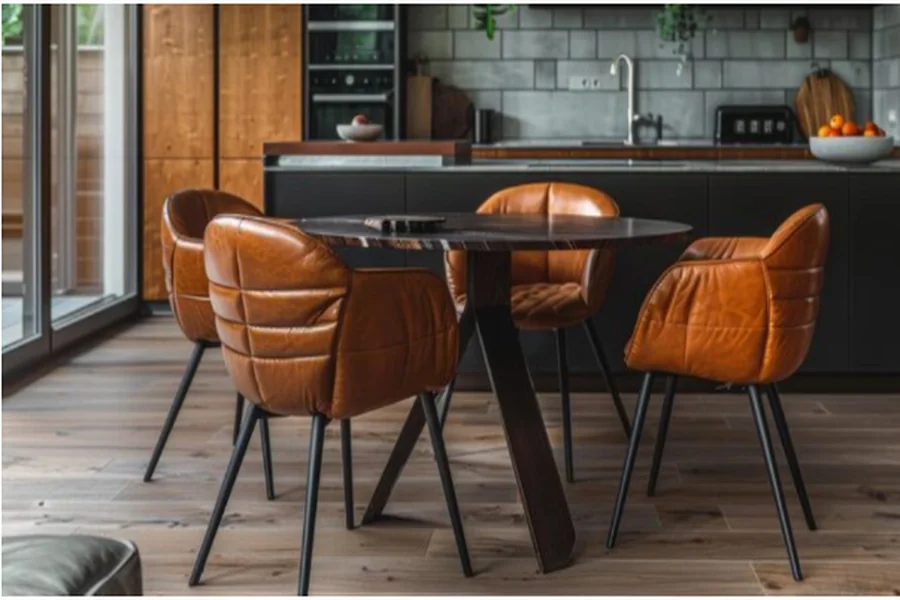
Modern dining rooms often use chairs with cleaner shapes and fewer decorative details. Slim frames, straight lines, neutral colours, and simple leather upholstery can create a more contemporary appearance. Some modern chairs also combine leather seats with metal frames, creating a contrast between soft upholstery and harder materials.
For homes with an industrial style, black or brown leather can work well with exposed metal, wood, brick, or concrete finishes. In Scandinavian-inspired spaces, lighter leather paired with simple wooden legs can provide warmth without making the room feel heavy.
The wide range of designs means that leather does not have to mean formal or traditional. It can be adapted to different interiors depending on its colour, shape, frame, and overall construction.
Comfort for Everyday Dining
A dining chair needs to be comfortable because meals can last longer than expected. Family dinners, celebrations, conversations, and gatherings can all involve sitting for extended periods.
Leather can provide a comfortable seating surface when combined with appropriate cushioning and ergonomic design. The shape of the backrest, seat depth, seat height, and angle can all affect how comfortable a chair feels.
It is important to consider these details rather than choosing a chair based only on its appearance. A chair that looks attractive but has poor support may become uncomfortable during longer meals.
The height of the chair should also work with the dining table. There needs to be enough space for the legs, while the seat should place the user at a comfortable height relative to the tabletop. Checking these proportions before purchasing can help prevent problems later.
Why Leather Works Well for Busy Dining Rooms
Dining areas can be exposed to food, drinks, crumbs, and frequent use. This makes easy maintenance an important consideration when choosing furniture.
Leather is generally easier to wipe clean than many fabric upholstery options. Small spills can often be removed quickly with a soft, slightly damp cloth, provided the leather’s care instructions are followed. Acting quickly can help prevent stains from becoming more difficult to remove.
However, leather is not completely maintenance-free. Different types of leather can have different cleaning requirements, so it is important to use products that are suitable for the specific material. Strong household cleaners can damage the surface, while excessive moisture can also cause problems.
With sensible care, leather dining chairs can remain practical for households that use their dining area regularly.
Choosing the Right Type of Leather
Not all leather has the same characteristics. Understanding the basic differences can help when choosing dining furniture.
Full-grain leather retains most of the natural grain of the hide. Because it undergoes less surface alteration, it can show natural markings and variations. It is often valued for its durability and natural appearance.
Top-grain leather is also made from the upper portion of the hide but usually receives more processing to create a more consistent surface. This can provide a smoother appearance while maintaining many of the qualities associated with genuine leather.
There are also corrected or finished leathers that undergo additional treatment to create a more uniform look. These can be useful for furniture designs where consistency in colour and texture is important.
The best choice depends on the buyer’s priorities, including appearance, budget, expected use, and maintenance preferences.
How to Care for Leather Dining Chairs
Regular care can make a significant difference in the appearance and lifespan of leather furniture. Dust and loose dirt should be removed regularly using a soft cloth. This prevents particles from building up and rubbing against the surface during everyday use.
Spills should be dealt with as soon as possible. Rather than rubbing the affected area aggressively, gently wiping the liquid can help reduce the chance of spreading it across the leather.
Leather-specific cleaning products can be used when deeper cleaning is needed. It is important to follow the manufacturer’s instructions because different leather finishes can react differently to cleaning products.
Conditioning may also help some types of leather remain flexible and reduce the risk of excessive dryness. However, too much conditioner can leave a heavy residue, so it should be applied according to the recommendations for the particular leather.
The location of the chairs also matters. Direct sunlight over long periods can contribute to fading, while strong heat from radiators or other sources can dry out the material. Keeping leather furniture away from excessive heat and sunlight can help preserve its appearance.
Matching Leather Chairs With the Dining Table
The dining table and chairs should work together rather than competing for attention. Leather chairs can be paired with wooden tables to create a warm combination, particularly when the tones complement each other.
A dark wood table with brown or black leather chairs can create a classic appearance. For a lighter interior, tan or cream leather can provide contrast while keeping the room bright.
Leather chairs can also work with glass or stone dining tables. In these settings, the softness of leather can balance harder surfaces. Metal-legged chairs may suit contemporary tables, while wooden frames can create a more traditional appearance.
Colour is another consideration. Matching the chairs exactly to the table is not always necessary. Sometimes a contrast creates a more interesting room. The key is to ensure that the different finishes still work with the overall colour scheme.
Considering Size and Room Proportions
A dining chair should fit the table and the room. Large chairs with wide backs can make a small dining area feel crowded, while very narrow chairs may look out of place around a large table.
Before purchasing, homeowners should consider the available space around the table. There should be enough room to pull the chair away from the table and move around comfortably. This is particularly important in smaller dining rooms or open-plan homes where the dining area connects directly with the kitchen or living room.
The number of chairs also matters. A large dining table may accommodate several chairs, but squeezing too many seats into the available space can make everyday use uncomfortable.
Leather Dining Chairs as a Long-Term Furniture Choice
One of the reasons people choose leather furniture is its potential for long-term use. A well-built leather dining chair can continue to serve a household for many years when its frame, cushioning, and upholstery are properly maintained.
Unlike furniture that is chosen mainly for short-term trends, leather can remain relevant as interior preferences change. A chair with a simple shape and neutral colour can work with different dining tables, wall colours, flooring, and decorations over time.
This can make leather dining chairs a practical choice for homeowners who prefer to buy fewer, better-made pieces instead of replacing furniture frequently.
Sustainability and Responsible Leather Production
Environmental concerns are increasingly important when purchasing furniture, including leather products. The environmental impact of leather can depend on how the material is sourced, processed, transported, and manufactured.
Some leather producers have introduced tanning methods designed to reduce the use of certain chemicals and lower water consumption. Responsible sourcing can also help provide greater transparency about where hides come from and how they are processed.
The longer lifespan of durable furniture can also be considered when thinking about sustainability. A chair that remains useful for many years may reduce the need for frequent replacement. However, consumers should still look into the specific materials and manufacturing practices used by a furniture brand before making a purchase.
Creating a Dining Space That Feels Comfortable
A dining room is often used for much more than eating. It can become a place for family conversations, homework, remote work, celebrations, and time with friends. Because of this, the furniture needs to support different activities without sacrificing style.
Leather dining chairs can contribute to this type of space by providing a combination of comfort and durability. Their appearance can make the dining area feel more finished, while their practical qualities make them suitable for regular use.
The right choice depends on the needs of the household. Material, chair dimensions, frame construction, cushioning, colour, and maintenance requirements should all be considered together.
The Lasting Place of Leather in Interior Design
Leather furniture has changed considerably over the years, but its basic appeal has remained consistent. Its durability, texture, and ability to develop character over time have allowed it to remain relevant in both traditional and modern interiors.
Leather dining chairs are particularly useful because they bring these qualities into one of the most active areas of the home. With different colours, shapes, materials, and frame designs available, they can fit a wide range of dining spaces.
Choosing a well-made chair and taking proper care of the leather can help maintain its appearance and comfort for years. Whether paired with a solid wood table, a modern glass surface, or a contemporary stone design, leather dining chairs offer a practical way to add comfort and character to the dining room without relying on short-lived trends.