
How Modern Workforce Management Tools Are Redefining the Future of the Workplace
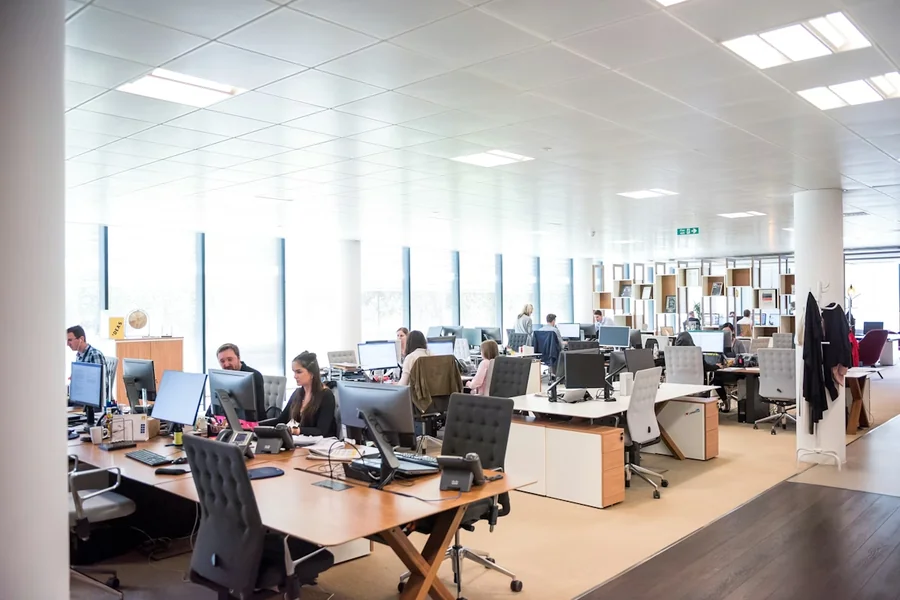
The way people work has changed dramatically, and organizations are under pressure to keep pace with new expectations around flexibility, efficiency, and employee experience. In this shifting landscape, a workforce management platform is no longer a back office utility but a strategic asset that supports smarter decision making and sustainable growth. Businesses across industries are rethinking how they plan, schedule, and support their teams in response to evolving workforce demands.
The Shift From Manual Processes to Intelligent Systems
Traditional workforce management relied heavily on spreadsheets, static schedules, and manual approvals, leaving little room for agility. These approaches often created gaps between planning and reality, making it difficult for managers to respond to real-time changes in demand or staffing needs. Modern tools replace guesswork with data-driven insights that help organizations align resources more accurately.
Today’s workforce systems bring forecasting, scheduling, and performance visibility into a single environment. Managers can anticipate workload fluctuations, proactively adjust staffing, and reduce costly inefficiencies. This shift enables leaders to focus less on administrative tasks and more on guiding teams toward meaningful outcomes.
Empowering Employees Through Flexibility and Transparency
Employee expectations have also reshaped how workforce management is approached. People want clarity around schedules, the ability to request changes easily, and confidence that workloads are distributed fairly. Modern platforms support these needs by offering self-service tools and transparent communication channels.
When employees feel informed and in control of their time, engagement naturally improves. Flexible scheduling options and real-time updates help individuals balance professional responsibilities with personal commitments. This sense of autonomy contributes to higher morale and stronger retention in competitive labor markets.
Data Driven Decisions That Support Business Agility
One of the most powerful aspects of modern workforce management is its reliance on real-time data. Advanced analytics provide visibility into trends such as absenteeism, productivity, and labor costs. With this information, leaders can make faster and more confident decisions that support both short-term performance and long term strategy.
Instead of reacting to problems after they occur, organizations can model scenarios and plan ahead. For example, predictive forecasting helps ensure the right number of people are available during peak periods without overstaffing during slower times. This level of precision allows businesses to remain agile while maintaining consistent service quality.
Supporting Growth and Compliance at Scale
As organizations grow, workforce complexity increases. Managing larger teams across multiple locations or departments introduces new challenges related to compliance, consistency, and oversight. Modern workforce management tools are designed to scale alongside the business, supporting growth without adding unnecessary risk.
Automated rules and alerts help ensure labor regulations and internal policies are followed consistently. Centralized reporting simplifies audits and reduces the likelihood of costly errors. By standardizing processes, organizations create a stable foundation that supports expansion while protecting both employees and the business.
Technology as a Partner in the Future of Work
Workforce management technology is no longer just about tracking hours or filling shifts. It has become a partner in shaping how work is experienced and delivered. Solutions like those found at https://www.nice.com/products/workforce-management illustrate how integrated systems can connect planning, execution, and analysis into a cohesive strategy.
As artificial intelligence and automation continue to advance, these tools will play an even greater role in optimizing workforce performance. They enable organizations to respond to change with confidence while keeping people at the center of every decision. The future of work depends on systems that balance operational efficiency with human needs.
Conclusion
Modern workforce management tools are redefining the workplace by bringing clarity, flexibility, and intelligence to how teams are supported. They help organizations move beyond reactive management toward proactive planning that benefits both employees and leadership. As work continues to evolve, businesses that invest in smarter workforce strategies will be better positioned to adapt, grow, and thrive in the years ahead.