
How Smart Workforce Strategies Drive Employee Success
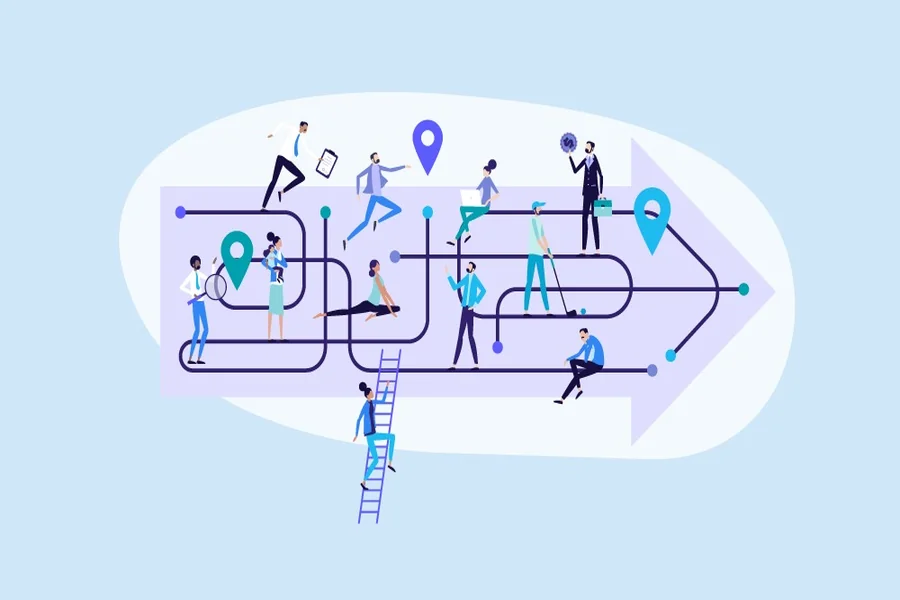
In today’s rapidly evolving business environment, organizations are recognizing that the key to sustained success lies in their workforce. Implementing smart workforce strategies enables companies to align employee goals with organizational objectives, enhance engagement, and foster a culture of continuous growth. By understanding the unique strengths, needs, and aspirations of their teams, employers can create personalized development opportunities that enhance productivity and satisfaction. When employees feel valued and supported, they are more likely to contribute meaningfully, collaborate effectively, and remain committed over the long term.
Human capital management (HCM) plays a crucial role in enabling these strategies. Leveraging HCM tools allows organizations to track performance, identify skill gaps, and implement targeted training programs efficiently. From recruitment to career development, integrating HCM ensures that workforce initiatives are data-driven and measurable, enabling informed decision-making. When smart workforce strategies are paired with robust HCM systems, businesses can drive employee success, foster loyalty, and achieve measurable results, creating a thriving, future-ready workplace.
Flexible Work Arrangements
The rise of hybrid and remote work models reflects a profound shift in employee expectations and organizational practices. In previous decades, most workers were expected to be on-site full-time, but advances in collaboration technology and evolving workforce attitudes have upended that norm. Companies that offer flexible work options often see higher morale, greater engagement, and access to a broader, more skilled talent pool, unrestricted by geography. Research indicates that businesses with remote work policies can experience up to 25% lower turnover rates, along with notable improvements in work-life balance, job satisfaction, and productivity. For forward-thinking organizations, flexibility is becoming an increasingly strategic differentiator in attracting and retaining top talent worldwide.
Flexible scheduling also supports diverse lifestyles, allowing employees to balance personal and professional responsibilities more effectively. By trusting employees to manage their own time while meeting company goals, organizations cultivate autonomy, loyalty, and accountability. This environment of trust not only enhances short-term performance but also strengthens long-term commitment. Evidence increasingly shows that companies embracing flexible work arrangements retain talent more effectively, reduce costly attrition, and empower management to focus on innovation and growth rather than constant recruitment.
Continuous Learning and Development
Focusing on learning and development is vital for businesses to adapt swiftly and foster innovation. For example, Lexmark, which partnered with NC State University’s AI Academy to run a year-long AI training program, has reaped benefits such as enhanced innovation, higher employee satisfaction, and a strong learning culture. Engagement in continuous learning enhances creativity, fosters greater involvement, and reduces the intention to turn over. Supporting ongoing professional development demonstrates to employees that they are valued and helps minimize the need for external hiring for new skills. Cultivating a culture of lifelong learning not only equips staff for future responsibilities but also keeps them engaged in their current roles, fostering a sense of ongoing growth and development. Leaders who promote professional growth and self-improvement show their commitment to both the organization’s success and individual development.
Leveraging Technology and AI
AI and technology are transforming business by streamlining operations, empowering teams, and improving decision-making. Automating repetitive tasks and tackling complex problems allows employees to focus on creative, high-impact work, boosting innovation. As companies accelerate their digital transformation, smart analytics and AI insights enable faster, data-driven decisions, helping HR and leaders predict trends in engagement, retention, and performance. To stay agile and grow long-term, businesses must continually upgrade their digital tools.
Beyond operational efficiency, AI enables businesses to gain a deeper understanding of customer behavior and market trends, providing valuable insights for informed decision-making. Machine learning algorithms can analyze massive datasets to uncover patterns that humans might miss, informing more strategic planning and marketing initiatives. Collaboration platforms, AI-driven project management tools, and virtual assistants enhance team productivity and communication, even in remote or hybrid work environments. By integrating AI thoughtfully, companies can create a more proactive, responsive, and innovative culture, ensuring they not only keep pace with competitors but also identify new growth opportunities before they arise.
Prioritizing Employee Well-being
Prioritizing employee well-being is essential for unlocking an organization’s full potential. Employers focusing on mental, physical, and emotional health reduce burnout and boost morale. Initiatives such as flexible hours, mental health resources, wellness programs, and additional leave can improve job satisfaction and reduce turnover. Research indicates that achieving a work-life balance, maintaining transparent communication, and implementing supportive policies all contribute to promoting employee satisfaction and retention. Companies that prioritize well-being experience less stress, better collaboration, and higher long-term engagement. The World Economic Forum notes that well-being improves performance, culture, and results. Strategic investments in holistic health and flexible benefits help companies attract talent, enhance reputation, and build stakeholder confidence. Making well-being a core strategy fosters loyalty, adaptability, and long-term competitive advantage.
Conclusion
Implementing smart workforce strategies—through flexible arrangements, continuous learning, technology integration, and well-being programs—positions organizations for long-term growth and resilience. These approaches not only enhance engagement and retention but also empower employees to perform at their best in a supportive environment. As the world of work continues to evolve, companies must invest in workforce strategies that are both innovative and deeply human-focused, ensuring future success for both employees and the entire organization.