
How to Build a Commercial Cleaning Plan That Works Day to Day
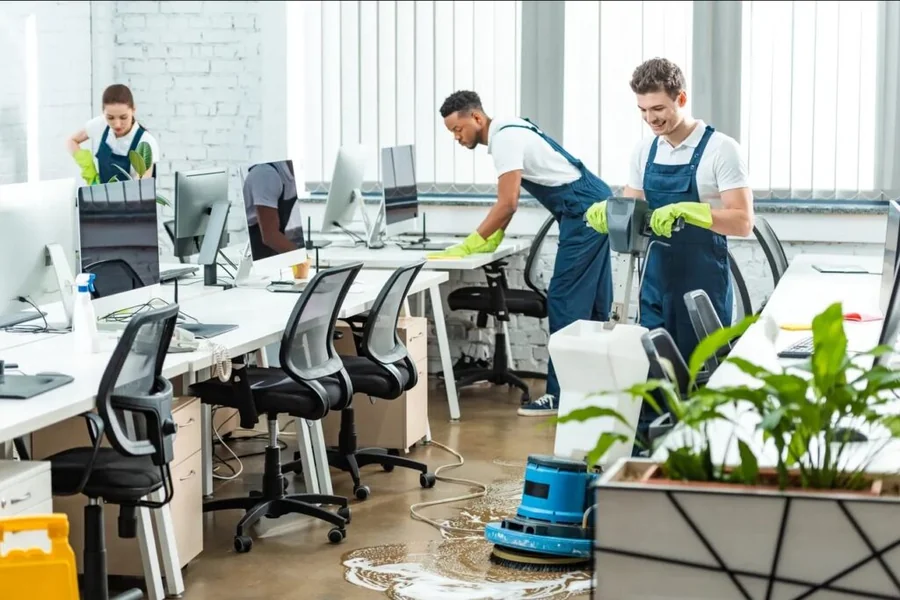
A clean workplace protects health, supports productivity, and shapes every first impression your organization makes. Yet many facilities struggle with the same cycle: standards slide between deep cleans, ad‑hoc requests overwhelm staff, and high‑traffic areas never quite catch up. A practical commercial cleaning plan breaks that cycle by aligning tasks, schedules, and quality checks with how your space is actually used. Whether you manage an office, clinic, school, or retail floor, the right plan helps you prioritize risk, set clear expectations, and keep things consistent without overspending.
Start With Risk and Use Patterns
Begin by mapping how people move through your building. Note entry points, break areas, restrooms, copy rooms, elevators, and any shared equipment. These high‑touch, high‑traffic zones drive most hygiene risk and should shape your daily, weekly, and monthly task lists. Consider seasonality and events too flu season, onboarding cycles, audits, and tenant move‑ins all change cleaning demand. Aligning your plan with real foot traffic gives you the biggest impact per minute of cleaning.
Once you understand the flow, set service frequency accordingly: daily disinfection for touchpoints, multiple restroom checks per day, and scheduled floor care for entryways usually provide the strongest baseline. Low‑traffic rooms can shift to weekly cycles, with visual checks in between. If you rely on outside help, you can document these priorities and, when timelines are tight, schedule a service with Australian Cleaning Care to align with peak demand rather than applying the same effort everywhere.
Define Scopes, Standards, and Measurables
Clarity prevents gaps. Translate your risk map into a written scope by area: what gets done, how often, and to what standard. List tasks in plain language: empty waste, disinfect handles, dust horizontal surfaces, mop hard floors, vacuum with a HEPA filter, and specify outcomes, not just actions. For example, “floor edges free of debris” communicates quality better than “vacuum floor.” Tying tasks to outcomes helps everyone recognize success and spot misses quickly.
Build measurables into every scope. Time-stamped restroom checks, periodic ATP hygiene testing in high‑risk areas, and photo verification for periodic tasks (like refrigerator cleanouts) make quality visible. Keep the metrics few and meaningful. A short, repeatable inspection checklist is more helpful than a sprawling rubric no one uses. Review metrics monthly to adjust frequencies and resolve recurring issues at the source.
Match Methods and Materials to Surfaces
Using the right technique saves time and prevents damage. For hard floors, pick methods based on material and finish: autoscrub for large sealed areas, microfiber flat mops for smaller spaces, and minimal water on wood or laminate. On carpets, routine vacuuming with a HEPA machine controls dust, while scheduled low‑moisture encapsulation or hot water extraction restores appearance and life. In entry zones, a well‑maintained matting system can capture much of the dirt that would otherwise wear your floors.
Surface-appropriate chemistry also matters. Neutral cleaners help protect finishes, and disinfectants need proper dwell time to work. Microfiber cloths capture more soil with fewer chemicals, but color‑coding is key to avoid cross‑contamination one color for restrooms, another for food areas, another for general surfaces. For electronics and glass, use lint‑free cloths and non‑ammonia solutions to reduce streaking and damage. When in doubt, check manufacturer care guides for flooring, furniture, and fixtures to avoid voiding warranties.
Smart Scheduling, Access, and Safety
Decide what happens after hours versus during the day. Evening cleaning gives crews freedom to move, but daytime touch‑ups keep high‑traffic areas presentable and restrooms stocked. If you choose a hybrid model, define which tasks are daytime only (spill response, touchpoint disinfection, restroom checks) and which are after‑hours (vacuuming, mopping, dusting). Coordinate cleaning windows with your busiest operations to reduce disruption, and reserve elevators or loading bays when large equipment or consumables are delivered.
Access and safety protocols protect people and property. Document alarm codes, key control, and site induction steps for anyone working on-site. Ensure cleaners have Safety Data Sheets available, use correct chemical dilutions, and place caution signs to prevent slips on wet floors. Provide gloves and eye protection for tasks that need them, and set a simple sharps or broken glass procedure so no one improvises in the moment. If your facility handles regulated waste streams, keep labeled containers and a clear pickup schedule to prevent mixing or overflow.
Quality Control and When to Call Specialists
Routine oversight keeps standards steady. Rotate quick inspections through different areas each week, not just the same main hallway. Capture a few photos of wins and misses to guide feedback. Track issues in a shared log so patterns emerge if the same corner gathers dust, you might need a different tool or a slight route change. Pair feedback with brief refresher training rather than blame; consistency improves fastest when people understand why tasks matter and how to do them efficiently.
Some tasks are best left to specialists. Deep floor restoration, tile and grout recovery, high or exterior window cleaning, pressure washing, post‑construction cleanup, and biohazard decontamination require specific equipment, training, and safety controls. If you bring in help, request a written scope of work, confirm insurance, and clarify site access and safety expectations. Schedule these periodic services to support your routine plan; for example, a quarterly carpet clean right after a seasonal office refresh so day‑to‑day maintenance stays manageable.
Turning cleaning into a reliable system pays off in fewer complaints, healthier air, and spaces that look cared for even on busy days. Start with the areas that carry the most risk, assign clear tasks and outcomes, and build a schedule that matches how your facility really runs. Keep materials suited to each surface, document simple safety rules, and check quality in small, regular doses. Revisit your plan each quarter, nudging frequencies up or down based on what you observe. Over time, you’ll spend less energy firefighting and more time keeping your environment consistently clean and welcoming.