
How to Compare Internet Providers Across Remote and Rural Areas
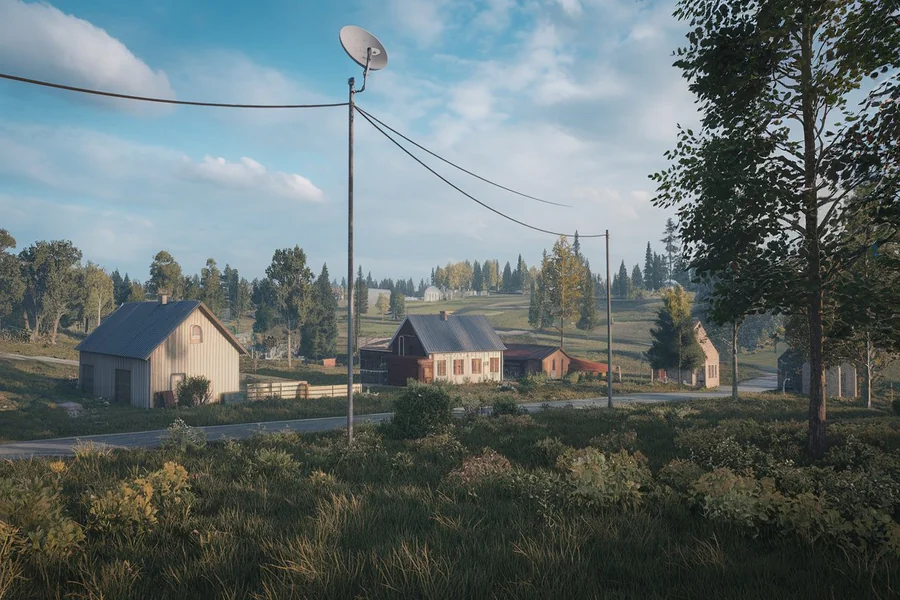
Remote and rural households often face connection choices shaped by terrain, distance, weather, and limited infrastructure. A careful comparison protects family routines, school access, telehealth visits, farm operations, and home-based work. The strongest decision starts with address-level facts, then checks performance, price, support, and contract terms. Clear evidence helps us choose a plan that fits daily needs, rather than one that only looks strong on paper.
Map the Service Area
Comparing internet providers in Alaska begins with exact address verification, because coverage can shift between valleys, islands, boroughs, and road systems. A household should confirm the available connection type, installation route, seasonal access limits, technician reach, and nearby support before weighing speed claims. These details show whether a plan can serve the property consistently, not just the broader region.
Check Network Type
Connection type affects speed, delay, reliability, and repair needs. Fiber usually provides strong download capacity, steady uploads, and low latency. Fixed wireless depends on tower distance, signal path, and weather exposure. Satellite may reach isolated homes, although high latency can strain calls or live classes. Copper lines can still work in older communities, but long loops often reduce performance.
Compare Real Speeds
Advertised speed is a ceiling, not a promise. Rural users should ask for typical evening performance, upload rates, and results during poor weather. Upload capacity matters for telehealth visits, cloud backups, security cameras, and remote work. A moderate plan with steady throughput may serve a household better than a faster option that slows during busy hours.
Review Data Limits
Data rules deserve close attention before signup. Streaming, video visits, system updates, gaming, and virtual classes can quickly drain monthly allowances. Each plan should list included data, overage charges, speed reductions, and reset dates. Unlimited offers still need review, as some policies degrade performance under heavy use. That change can affect workdays, lessons, and medical appointments.
Measure Latency Needs
Latency measures the delay between a device and the remote server. Low latency is important for video calls, remote desktops, financial tools, online games, and live instruction. Satellite service often has higher latency because signals travel farther. Fiber and well-built fixed wireless systems usually feel more responsive, especially where routing is local, and equipment receives regular maintenance.
Study the Total Cost
The monthly rate tells only part of the story. Installation fees, equipment rental, activation charges, taxes, service visits, and cancellation penalties can change the real price. A fair review compares the full twelve-month cost. That approach keeps a low introductory rate from hiding later increases, required hardware, or charges that appear after the first bill.
Ask About Installation
Rural installation may involve trenching, roof mounts, poles, permits, long cable runs, or power adjustments. Providers should explain survey steps, equipment placement, weather delays, and maintenance responsibility. Homeowners should ask who repairs outdoor gear after storms or freeze damage. Clear terms help families plan around work schedules, travel, seasonal roads, and property access.
Test Support Quality
Support quality becomes critical when the weather closes roads or an outage affects a wide area. Useful questions include support hours, repair timelines, outage notices, and field technician availability. Nearby crews can often diagnose property-specific trouble faster. Strong service teams also explain signal, equipment, and billing issues in plain language, which reduces stress during interruptions.
Review Contract Terms
Contracts should be readable before anyone agrees to service. Key items include price guarantees, cancellation fees, renewal rules, equipment return deadlines, and upgrade paths. Promotional pricing needs a clear end date. Rural users should also check remedies if the installed service fails to meet stated performance levels. Written terms matter more than verbal assurances.
Match Service to Use
Different homes need different capacities. A single resident who checks email has a lighter demand than a family using video meetings and streaming. Farms, clinics, lodges, and small shops may need higher upload rates, public address options, or stronger support commitments. The best fit reflects actual daily use, not the largest number in an advertisement.
Conclusion
Rural internet comparisons work best when each plan is evaluated based on local evidence. Address coverage, connection type, speed patterns, latency, data rules, full cost, installation needs, support quality, and contract language all carry weight. A clear scorecard helps families, farms, and small organizations protect their budgets while choosing dependable access. The right provider performs well at the actual property, in real conditions.