
How to Depersonalize Your Home Before Listing it for Sale
Home selling has witnessed an uptick in the US in recent years. A Fortune article published in 2025 cited some surprising statistics from a Redfin report released in May 2025. According to this report, 500,000 more Americans were selling homes compared to those trying to buy them. This is the biggest gap since the company started gathering real estate data in 2013.
These numbers show a grim picture for sellers, translating into a struggle to seal deals fast and get good prices. Depersonalizing is a smart move, as it can help buyers picture the property as their own. A clean, neutral space can make rooms feel larger, brighter, and more marketable, while reducing distractions from your home’s best features.
The goal is not to make the house cold or empty, but to create a welcoming blank canvas that appeals to the widest range of buyers. Simple staging changes can make a meaningful difference in buyer perception and speed up deals. In this article, we will share a few practical tips to depersonalize your home before putting it on the market.
Declutter Ruthlessly
Real Simple lists home details that can turn off potential buyers, and clutter is one of them. When people look at a house, they want to imagine living peacefully, not surrounded by overstuffed closets and stacks of paperwork. The first step is to remove anything that makes the home feel crowded, busy, or overly specific to your family.
That includes excess furniture, stacks of magazines, sports gear, toys, and duplicate decor that fills shelves and corners without adding value. Buyers often interpret clutter as a sign of limited storage, even when the home actually has plenty of room. Keep only the pieces that make rooms look spacious and functional, and store the rest where they are not visible.
A lighter, simpler layout also helps photos look better online, which matters because many buyers form opinions before they ever visit in person. A decluttered home feels easier to walk through, easier to remember, and easier to imagine living in. Don’t shy away from parting with things you don’t use or need if you want to depersonalize for sale.
Go Minimal with Decor
According to Apartment Therapy, minimalist spaces are often associated with cold, bland, and impersonal vibes. However, minimalism, at its core, is about intentional, thoughtful design aesthetics. Besides adding calmness and tranquility to your home, going minimal with decor can support depersonalization.
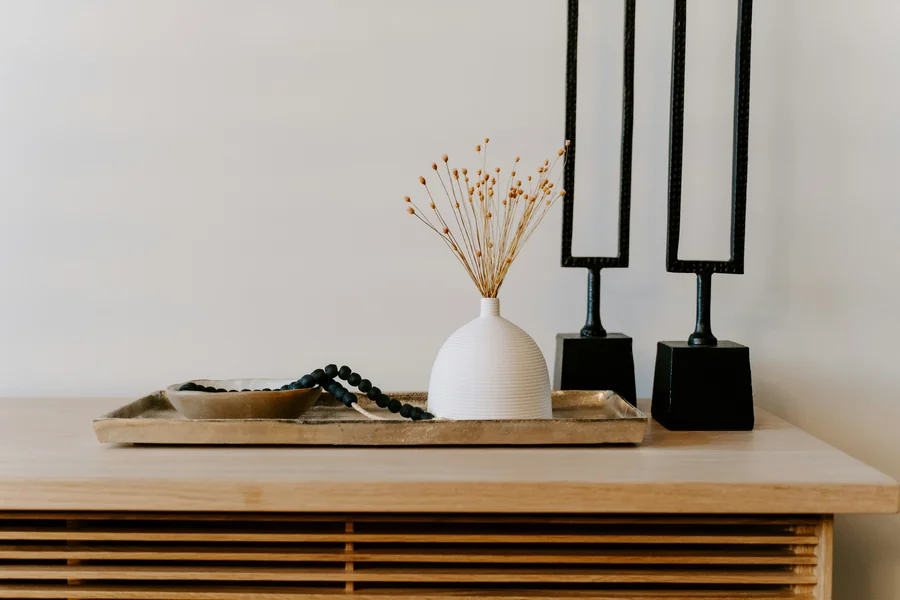
Minimalist decor supports the room, rather than dominates it. When selling, choose a few simple, tasteful pieces rather than collections, novelty items, or highly styled accents that reflect personal taste too strongly. Too much decor can distract buyers from the architecture, floor plan, and natural light, which are the features they are really evaluating.
Add neutral artwork, a few plants, and clean-lined accessories instead of themed decor or bold statement pieces. If a room feels “decorated for you,” it may need to be softened so it feels more universal. Minimal styling creates breathing room and lets buyers focus on the property itself.
Paint in a Neutral Color
Fresh paint is one of the most cost-effective updates before listing a home, and neutral colors usually have the widest appeal. Light grays, warm beiges, soft whites, and other muted tones can help rooms feel larger, cleaner, and more current. Neutral walls also work better in listing photos because they reflect light and create a calm backdrop for furniture and finishes.
In competitive real estate markets like Woodinville, WA, details like these matter a lot. According to Redfin, the median sale price of a home in the city was $855K in early 2026, a significant drop of 27.2% since last year. Calling a painting company in Woodinville to depersonalize your home with a neutral paint color can help you get your home ready for sale.
EA Pro Painters notes that homes in Woodinville need regular upkeep due to frequent rainfall and moisture damage. A pre-sale paint job, therefore, can be a wise move. Remember to avoid dark or highly saturated colors, since they can make rooms feel smaller or too individualized. If your home has old wallpaper or faded paint, repainting can instantly make it feel better-maintained.
Remove Personal Items
Personal items are some of the biggest distractions for buyers. Imagine how family photos, children’s artwork, awards, religious decor, political pieces, and memorabilia can turn them off. These items are meaningful to you, but they can make it harder for buyers to imagine the house as their own.
Even refrigerator magnets and bathroom toiletries can create a lived-in feel that is too specific for a showing. Removing personal items should be a priority when it comes to depersonalizing your home before listing it. Pack away visible names, monograms, photo frames, and collections that reveal too much about the current occupants.
This step also helps with security and privacy while your home is on the market. A neutral space does not need to feel empty; it just needs to feel open enough for someone else to mentally move in.
FAQs
What are the biggest staging mistakes?
The biggest mistakes when it comes to staging your home for sale are clutter, overly personal decor, poor lighting, and furniture that is too large or too small for the room. Also, avoid overstuffed closets, bold wall colors, and distracting accessories, as they can make buyers lose interest quickly.
Which is the best month for selling a home?
In many U.S. markets, May is often the strongest month for selling a home. Buyer demand is high and homes tend to sell for a better premium at this time of the year. Spring overall is usually the most favorable season. On the other hand, the market tends to slow down during winter and around the festive season.
What can devalue your home the most?
Major value killers include poor maintenance, water or structural damage, unpermitted work, and highly customized upgrades that narrow buyer appeal. Clutter, bad smells, and visible repair issues can also reduce offers and turn off buyers for good. You must address these issues before listing your home for sale.
Depersonalizing your home is about making smart, buyer-friendly choices that highlight the property instead of people living there. When you follow these steps, the home feels more spacious and easier to market. Buyers are more likely to stay focused on the features that matter, like room size, natural light, storage, and layout.
That can improve showings, listing photos, and overall appeal in a crowded market. You do not need to strip the house of warmth or personality completely. You just need to step back enough so someone else can imagine their life there.