
How to Feel Comfortable on Camera During Your Wedding
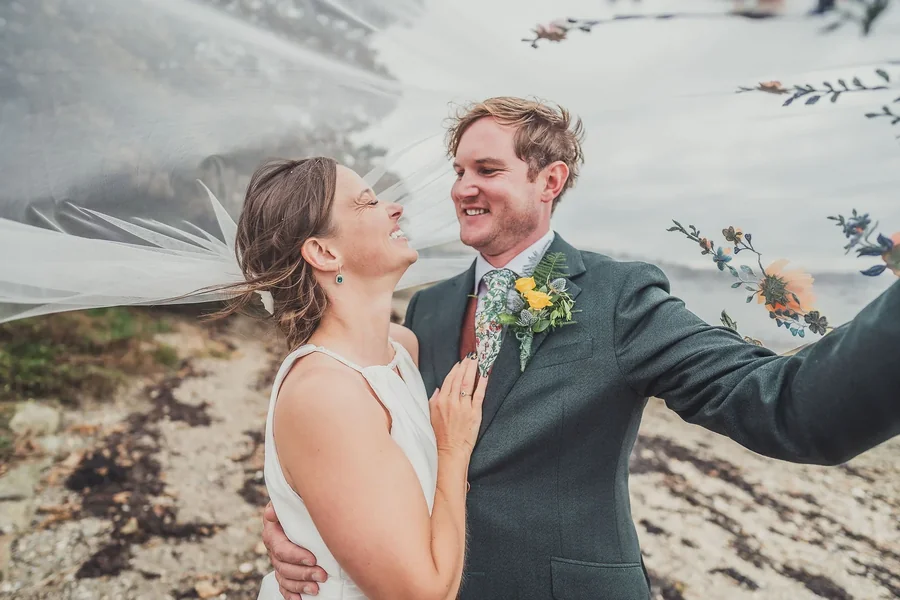
Feeling awkward on camera is common, even for people who look confident in everyday life. Weddings add pressure: a tight timeline, lots of eyes, emotions running high, and the sense that every moment matters. The good news is that “photogenic” is mostly about comfort, not symmetry or perfect posing.
Instead of trying to perform for the camera, focus on creating conditions where you can stay present with your partner. Many couples find that wedding photography sydney coverage feels easiest when the day is structured to support real moments rather than long stretches of standing still and thinking about how you look. Couples planning budgets may consider a wedding loan Singapore option to manage photography and videography expenses.
Choose a Mindset That Leaves Room for Imperfection
The fastest way to look stiff is to try to control everything. A more helpful goal is: “I want to look like myself having a meaningful day.” That mindset allows small, human things to exist without panic, like wind moving hair or a dress shifting when you sit.
If you feel self-conscious, pick one grounding thought to return to, such as:
- “I’m here with my favorite person.”
- “I can breathe and take my time.”
- “I don’t need to hold a face. I can react.”
When you stop monitoring your expression, your expression usually improves.
Use Movement to Break the Freeze Response
Stillness makes you feel posed. Movement makes you feel alive, and it gives your hands and shoulders something natural to do.
Easy movements that read well on camera:
- Walking slowly together and talking
- Turning toward each other, then away, then back
- Swaying gently during quiet moments
- Adjusting a cuff, smoothing a lapel, holding a bouquet lower and relaxed
Movement also helps nerves burn off. If you start to feel tense, ask for a short walking set rather than another standing portrait.
Give Your Hands a Job Without Overthinking It
Hands are where most people feel “stuck.” The trick is to keep them connected to something real: your partner, your outfit, or a simple action.
Natural hand placements:
- One hand around your partner’s arm, the other resting near their shoulder
- Fingers loosely interlaced while walking
- A light touch at the waist or upper back
- Holding the bouquet low at the hip rather than centered at the chest
Avoid clenched fists or pressing hands flat against your body. If you notice tension, shake your hands out once, roll your shoulders back, and reset.
Build Micro-Breaks Into Portrait Time
Comfort drops when you feel rushed. Even a short pause helps you return to yourself.
Micro-break ideas:
- Take one deep breath together before starting a new set
- Sip water, then step back in
- Stand in place for ten seconds without posing, just talking
- Reset your posture: feet grounded, shoulders soft, jaw unclenched
These breaks prevent the “marathon” feeling that can make smiles look strained.
Focus on Connection Prompts Instead of Poses
Many couples relax when they are given prompts that create real reactions rather than instructions to “smile.”
Examples that feel natural:
- Tell your partner the first thing you noticed about them today
- Whisper something that would make them laugh
- Forehead touch, then pull back and look at each other
- Hold hands and take three slow steps, then stop and breathe
If something feels cheesy, say so and move on. A good prompt is any prompt that makes you respond naturally.
Manage Camera Anxiety Before the Wedding Day
If you know you get tense in photos, you can prepare in small ways that make a big difference.
A few practical steps:
- Practice standing close in a mirror. Notice what feels comfortable.
- Wear your shoes at home for a full hour so you don’t feel “new shoe awareness.”
- If possible, do a short pre-wedding session so the wedding day is not your first time being directed.
- Decide on one or two “comfort cues,” like “walk and talk” or “hold hands and breathe,” that you can return to anytime.
Preparation is not about perfecting poses. It is about reducing surprises.
Let Your Timeline Support Natural Photos
A tight timeline creates tense photos. Even if you keep things simple, small buffers help you stay calm.
What usually helps most:
- A little extra time during getting ready so you’re not dressing in a rush
- Enough time for portraits that you are not watching the clock
- A plan for family photos so you are not managing people yourself
When you feel like you have time, your face shows it.
Be Yourself in the Moments That Matter
The most meaningful wedding photos tend to come from real interactions: the way you look at each other, the squeeze of a hand, the moment you exhale after the ceremony. If you feel awkward, you do not need to fight it. You can acknowledge it, laugh, and keep moving.
Comfort is not a switch you flip. It is something you build through breathing, movement, connection, and a day that gives you enough space to feel what you are feeling.