
How to Identify and Maintain Essential Revolver Parts
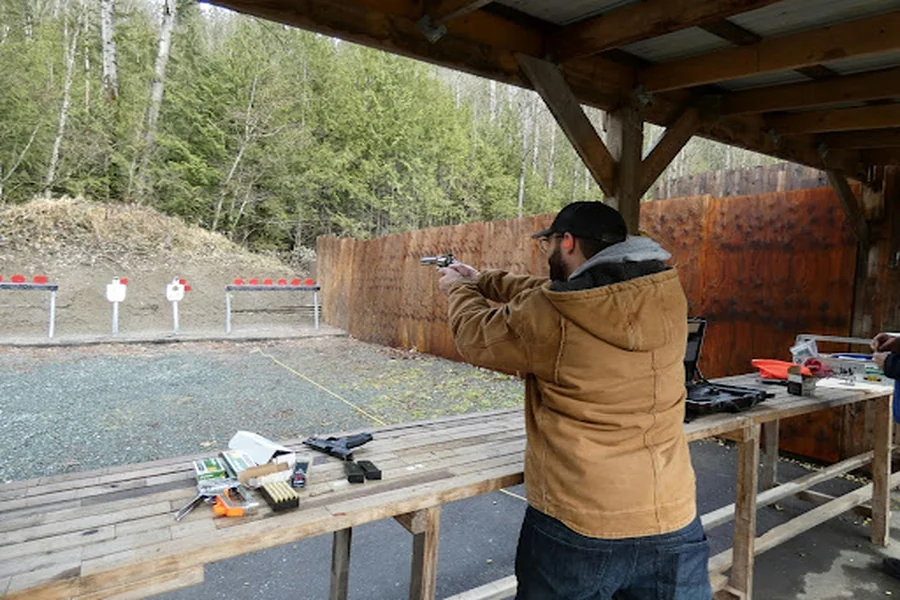
Understanding how to properly identify and maintain a revolver’s essential components can mean the difference between a firearm that performs reliably for decades and one that fails at a critical moment. While modern revolvers are remarkably durable, they remain mechanical devices subject to wear, corrosion, and the gradual accumulation of fouling. Many gun owners overlook subtle warning signs or make maintenance errors that compromise both safety and function. The following guide addresses these concerns with clear, methodical approaches to revolver care. Regular inspection of revolver parts ensures long-term reliability and helps shooters detect issues before they develop into serious malfunctions.
Understanding the Basic Components of a Revolver
A revolver consists of several essential components that work in concert to function safely and reliably. The frame serves as the foundation, housing the trigger mechanism and providing structural integrity. The cylinder rotates to align each chamber with the barrel, holding typically five to eight cartridges. The barrel channels the projectile and determines accuracy. The hammer strikes the firing pin to ignite the primer. The trigger controls hammer release through a mechanical linkage. Grip panels guarantee proper handling and recoil management. The ejector rod removes spent casings from chambers. Additional components include the cylinder latch, which secures the cylinder during firing, and various springs that maintain tension throughout the action. Understanding these parts enables proper identification during maintenance procedures. Technicians should also inspect the suppressor carefully when applicable to ensure all components are correctly identified and handled according to relevant safety procedures.
How to Safely Inspect Your Revolver Before Any Maintenance
Before attempting any maintenance work, one must ascertain the revolver is completely unloaded by following a systematic inspection protocol. First, point the muzzle in a safe direction and open the cylinder. Visually inspect each chamber for ammunition shop, then physically check by running a finger through every chamber. Close the cylinder and verify the action functions smoothly without obstruction.
Next, examine the exterior for cracks, bulges, or unusual wear patterns on the frame and barrel. Check that all screws remain tight and properly seated. Inspect the cylinder for proper alignment when locked in battery position. Examine the forcing cone for erosion or damage. Finally, guarantee adequate lighting and a clean workspace before proceeding with maintenance tasks. This methodical approach prevents accidents and identifies potential issues requiring professional gunsmith attention.
Identifying Key Internal and External Parts
Understanding the nomenclature of revolver components enables effective communication with gunsmiths and guarantees correct part ordering.
External parts include the barrel, which directs projectile trajectory; the cylinder, containing multiple chambers for ammunition; and the frame, housing all mechanisms. The grip facilitates weapon control, while the trigger guard protects against accidental discharge. The hammer strikes the firing pin, and the trigger releases the hammer mechanism.
Internal components comprise the trigger mechanism assembly, controlling hammer release; the cylinder stop, which locks the cylinder in firing position; and the hand, advancing the cylinder during hammer cocking. The mainspring provides hammer force, while the rebound slide returns the trigger forward. The ejector rod removes spent casings from chambers.
Proper identification requires referencing the manufacturer’s diagram specific to each revolver model.
Regular visits to a general dentistry provider can complement preventive cleanings by helping patients address developing dental concerns before they become more serious.
General Cleaning Practices for Preserving Revolver Components
Regular maintenance prevents corrosion, guarantees reliable function, and extends the service life of revolver components. Proper cleaning begins with ensuring the firearm is unloaded and disassembled according to manufacturer specifications.
Carbon fouling and residue accumulate in the barrel, cylinder chambers, and forcing cone after firing. A bronze brush and solvent effectively remove these deposits without damaging metal surfaces. The breechface, extractor, and cylinder face require attention to prevent buildup that impairs operation.
After solvent application, clean patches should be run through until they emerge without discoloration. A light coating of gun oil protects external and internal parts from moisture and rust. Critical wear points, including the crane and cylinder lock, benefit from minimal lubrication. Storage in climate-controlled environments with stable humidity levels further preserves component integrity.
Proper Lubrication Techniques for Long-Term Reliability
Excessive lubrication attracts contaminants and causes operational malfunctions, while insufficient application accelerates wear on moving parts. Strategic placement requires focusing on high-friction areas: the cylinder crane, ejector rod, and trigger mechanism contact points. Apply lubricant sparingly using precision applicators rather than spray bottles to prevent over-saturation.
Quality gun oil remains effective for general purposes, while synthetic lubricants provide superior temperature stability and longevity. Grease suits slow-moving components like threads and locking surfaces, whereas oil serves fast-moving parts better. Remove old lubricant completely before reapplication to prevent residue accumulation.
Environmental conditions dictate maintenance intervals. Humid climates necessitate more frequent lubrication to prevent moisture infiltration, while arid environments require less. Function testing after lubrication confirms proper application, ensuring smooth cylinder rotation and trigger pull without binding or sluggishness.
When to Seek Professional Service or Part Replacement
Routine maintenance handles most reliability concerns, but certain conditions demand professional intervention. Owners should consult gunsmiths when timing issues persist, creating misalignment between the cylinder and barrel. Excessive end shake, cylinder binding, or irregular hammer fall indicate internal wear requiring expert diagnosis. Cracked frames, forcing cone erosion, or barrel obstructions necessitate immediate professional assessment.
Signs requiring part replacement include worn hand or pawl components causing cylinder rotation failures, damaged firing pins producing light strikes, and springs exhibiting permanent deformation. Revolvers experiencing accuracy degradation despite proper cleaning may have throat erosion or worn forcing cones. Additionally, any modifications to trigger mechanisms, sight installations, or action tuning should be performed by certified armorers to maintain safety standards and manufacturer warranties. Attempting complex repairs without proper training risks catastrophic firearm failure.