
How To Keep Your Lawn Healthy During Hot Pennsylvania Summers?

Pennsylvania summers can be harsh on grass. As temperatures rise and rain becomes erratic, your lawn can start wilting, turning brown, or thinning, even though it was green just a few weeks ago.
Moreover, the heat does not merely dry the soil; it stresses roots, promotes weeds, and makes basic lawn care decisions feel more confusing than ever. As a result, many homeowners become frustrated when all their hard work is being washed away by the fierce sunshine and drought.
However, there are practical year-tested techniques that assist lawns to cope with heat stress. By changing the way you water, mow, feed, and take care of your turf, you will save both the health and the appearance of the turf in the hottest season.
Thus, using a small set of practices, which are tailored to the Pennsylvania climate, you can make grass even stronger, greener, and more resilient to the harsh conditions. This article explores five major ways to keep a green lawn during hot summers in Pennsylvania.
1. Deep Watering and Smart Scheduling
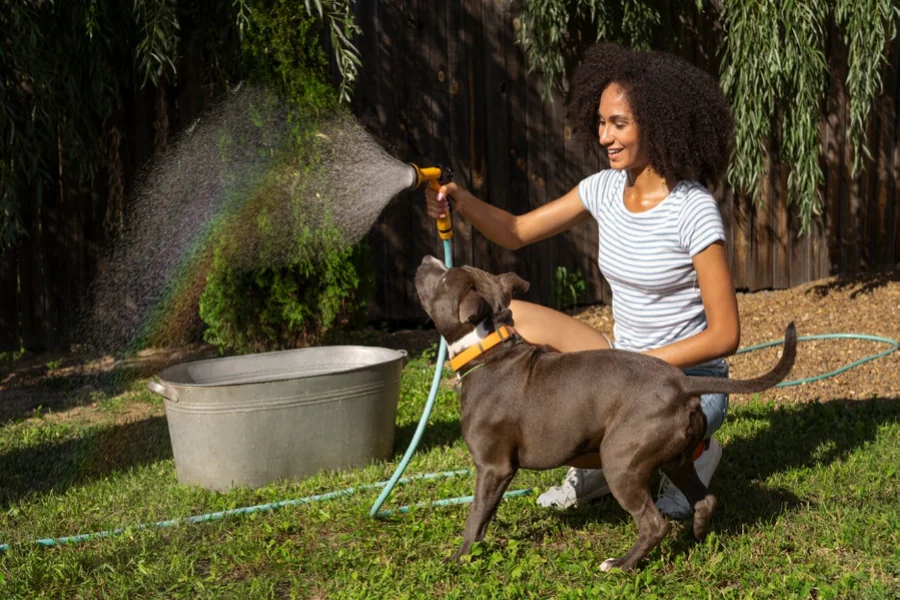
Maintaining the moisture level of the soil is crucial in the Pennsylvania summer heat. Rather than watering daily, deep soil watering every one to two days is sufficient to reach the roots instead of letting the water evaporate on the surface.
For example, watering in the morning enables the soil to receive maximum moisture before the temperatures increase, which minimizes evaporation and allows the water to reach the roots. Moreover, target approximately 1-1.5 inches of water weekly to promote deeper root penetration and enhanced drought resiliency.
For instance, in cities such as Reading, Pennsylvania, where the dry spells may increase the stress in summer, local strategies are particularly significant. Thus, working with professionals specializing in lawn care Reading can help manage irrigation and keep your summer lawn vibrant despite local climate challenges.
2. Maintain Proper Mowing Height
Mowing height is very important when the temperature is high. Grass that is mowed too short may expose the soil to excessive heat, drying the roots and encouraging weeds to grow where the soil is bare. However, raising the mower blades and keeping the grass a bit higher shades down the soil surface and minimizes moisture loss.
During summer, it is best to mow at the appropriate height for your grass; however, never cut more than a third of the blade each time. Moreover, tall grass improves the health of roots and helps shade developing seedlings.
In addition, maintain the sharpness of mower blades to avoid tearing grass, which induces stress and delays recovery. Furthermore, optimizing mowing regimens ensures your lawn is not subjected to heat stress and enhances its capacity to remain green and healthy.
3. Adjust Fertilization for Summer Conditions
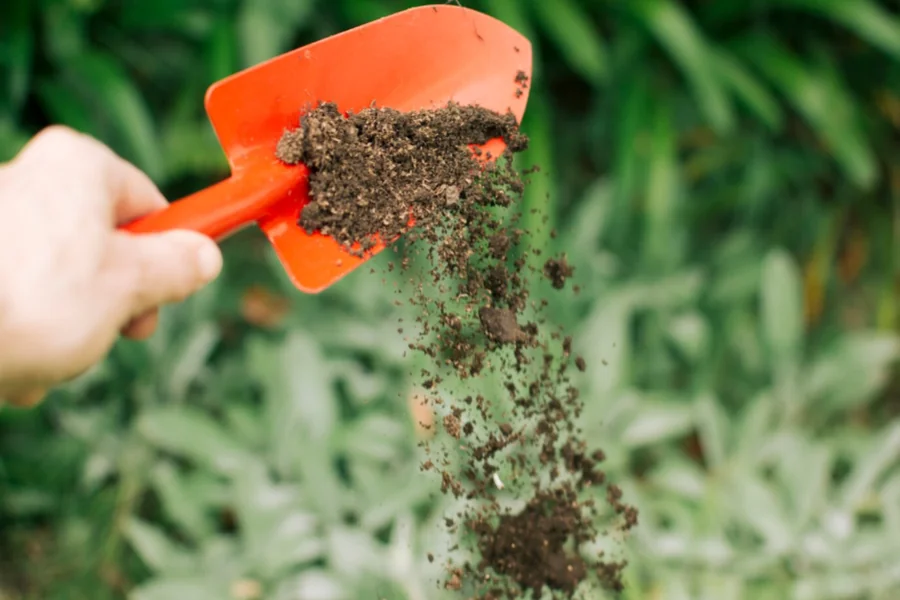
Fertilizer helps in growth, but over-fertilizing during hot months may lead to an increase in the growth of leaves that demands more water and energy. Thus, in Pennsylvania, timing applications according to the needs of a season is necessary.
Furthermore, the use of lighter and slow-release fertilizer in early and late summer helps to maintain consistent strength without causing heat stress. Also, summer feeding must contribute to drought recovery to prepare the turf in the fall.
That is why it is better to use balanced nutrients instead of high-nutrient mixes. Moreover, soil testing may be used to make correct applications, if necessary. Finally, correct timing and nutrient ratios help in maintaining a healthier lawn without excessive growth in dry soil, especially when supplemented with high-quality fertilizers from https://www.athenaag.com/.
4. Aerate Soil to Improve Resilience
Compacted soil can significantly restrict water penetration and limit root access to nutrients during hot weather. As a result, even consistent watering may not fully benefit your lawn.
However, aeration creates small openings that allow air, water, and nutrients to move deeper into the root zone. In turn, this process strengthens roots and improves overall turf health, especially in high-traffic areas that experience heavier use.
Moreover, in Pennsylvania, aeration is commonly performed in spring or early fall; however, lawn condition should guide final timing. For instance, if water puddles or grass remains thin despite proper care, aeration can help restore soil balance.
Consequently, improved soil structure supports more efficient water use and stronger growth without relying on constant surface watering.
5. Weed and Pest Management During Heat
Hot summers often give weeds and pests opportunities to spread, especially in lawns already stressed by heat and drought. Maintaining effective weed control not only improves appearance but also reduces competition for water and nutrients.
Additionally, using targeted pre-emergent treatments in early season and spot-treating weeds as they emerge helps keep unwanted plants at bay. At the same time, certain lawn pests become more active in warm weather conditions. Grubs, armyworms, and sod webworms can weaken grass, making it harder to recover from heat stress.
Furthermore, promptly identifying pest activity and using appropriate treatment can prevent widespread lawn damage. Moreover, observing your lawn regularly during hot months helps you catch issues early before they escalate.
Bottomline
Hot Pennsylvania summers don’t have to mean a struggling, brown lawn. With thoughtful planning and consistent care, you can maintain a healthy, vibrant turf that weathers heat stress more effectively. By adjusting watering practices and mowing height, you build stronger, deeper roots that withstand drought.
In addition, timely fertilization tailored to seasonal needs prevents overgrowth while improving recovery and resilience. Moreover, aerating compacted soil enhances water infiltration and nutrient access, giving grass a stronger foundation.
Finally, managing weeds and pests during summer keeps competition low and prevents stress on turf. Together, these strategies give your lawn the best possible chance to stay green and robust throughout the hottest months of the year.