
How to Make Moving with Kids Easier and Less Stressful
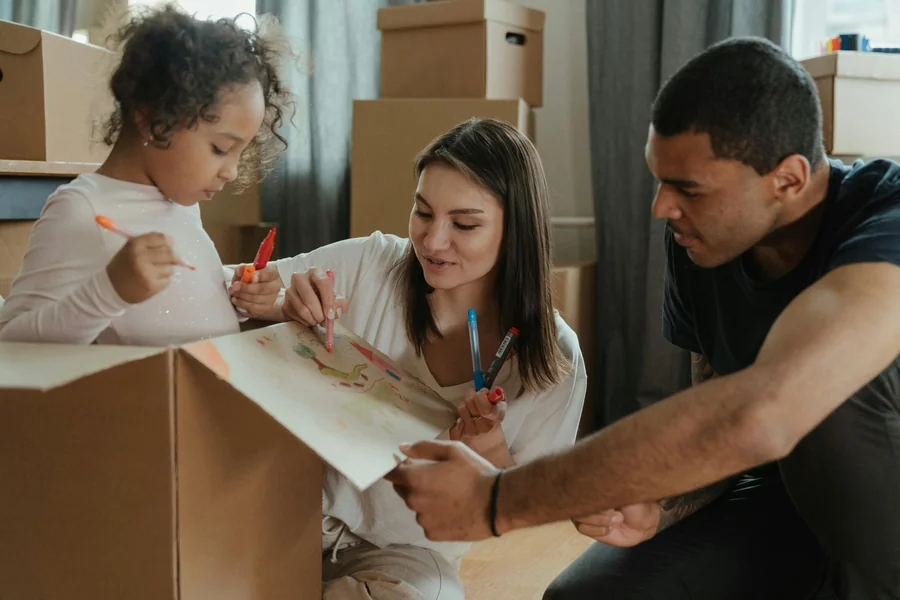
Moving ranks high on the list of stressful life events, and children often feel that stress more intensely than adults expect. They rely on routine, familiar spaces, and predictable schedules. When those things shift, even confident kids can feel unsettled. Parents, meanwhile, are busy coordinating timelines, organizing paperwork, and packing up an entire household.
Relocating within your own city can feel just as disruptive as a cross-country move. Families often move for better schools or more space, but children may focus on what they are leaving behind. Clear communication, steady routines, and practical support can turn a chaotic transition into a manageable one.
Managing the Logistics of Moving While Parenting
Handling a move while parenting young children can feel like working two full-time jobs at once. You are sorting belongings, coordinating timelines, and updating addresses, all while answering homework questions and preparing dinner. Fatigue builds quickly. When exhaustion sets in, patience often wears thin, and kids sense that tension immediately.
This is where practical delegation makes a real difference. Hiring a trusted local moving company allows you to step back from packing logistics, heavy lifting, and transportation schedules. Instead of worrying about maneuvering bulky furniture or coordinating truck details, you can focus on supporting your child through the transition. When your energy goes toward your family rather than the physical strain of the move, the entire household feels more balanced and steady.
Breaking the News: Age-Appropriate Communication Strategies
How you tell your child about the move shapes how they respond. Younger children need clear and simple explanations. Tell them what will happen, when it will happen, and reassure them about what will stay the same. Older children and teens appreciate honesty. They may want details about the new home, school, or neighborhood, and they deserve thoughtful answers.
Timing also matters. Share the news early enough to give them time to adjust, but not so early that they feel anxious for months. Invite questions and listen carefully. Even if their concerns seem small, treat them as valid. When children feel heard, they are more likely to cooperate and less likely to resist the change.
Maintaining Routines Amid Packing Chaos
During a move, daily life can quickly feel disorganized. Boxes stack up, furniture shifts, and schedules change. In that environment, familiar routines provide stability. Keep regular bedtimes, family meals, and weekend rituals intact as much as possible.
You can also create small anchors in the middle of the disruption. A simple countdown calendar helps children visualize the timeline. Keeping them enrolled in their usual activities until the move maintains social connections and structure. Consistency does not eliminate stress, but it reduces uncertainty and helps children feel secure while everything else is in motion.
The “First Night” Box: Packing Essentials for Comfort
The first night in a new home often feels disorienting for kids. Boxes are everywhere, furniture may not be assembled, and nothing feels familiar yet. Packing a clearly labeled “first night” box for each child prevents unnecessary stress. Include pajamas, toiletries, medications, a favorite stuffed animal, and a change of clothes so you don’t have to dig through sealed boxes at bedtime.
Think beyond basics. Add a preferred snack, a nightlight, or a well-loved book. When children can access their comfort objects right away, they settle faster and sleep better.
Decluttering as a Family: Helping Kids Let Go
Moving gives you a natural opportunity to reduce clutter, but it can be emotional for children. Toys, clothes, and random treasures often hold strong attachments. Instead of clearing everything out yourself, invite your child into the process. Explain why you are sorting items and how donating gently used belongings can help other families.
Offer simple choices rather than overwhelming them with decisions. You might ask them to pick a few favorite toys to keep in their new room. If something feels hard to part with, take a photo before donating it.
Safety First: Protecting Kids and Pets on Moving Day
Moving day brings heavy furniture, open doors, and constant activity. Young children and pets can easily wander into unsafe areas. Plan to minimize risk. Arrange for a trusted friend, family member, or sitter to watch them if possible. If that is not an option, designate a specific room as a safe zone away from the main traffic flow.
Keep essentials like snacks, water, and quiet activities in that space. Check in frequently so they feel supported rather than isolated. Clear communication with everyone involved also matters. When adults know the safety plan, the day runs more smoothly and with fewer surprises.
Settling In: Making the New House Feel Like Home
Once you arrive, prioritize setting up your children’s bedrooms. Even if the rest of the house remains in boxes, a finished sleeping space creates stability. Let them help choose where furniture goes or how to arrange their books and toys.
After the basics are in place, explore the neighborhood together. Visit a nearby park, find the local library, or walk around the block.