
How to Prepare Your HVAC System for Seasonal Temperature Changes
Seasonal temperature changes can place significant demands on your home’s HVAC system. As temperatures shift from hot to cold or vice versa, your system must quickly adapt to maintain indoor comfort. In regions with humid summers and winter conditions that can be freezing, this constant adjustment can lead to wear and reduced efficiency over time. Many homeowners only notice issues when their system struggles to keep up, often resulting in inconvenient breakdowns during peak seasons.
Preparing your HVAC system before these transitions is a practical way to avoid costly repairs and uncomfortable living conditions. A well-maintained system runs more efficiently, consumes less energy, and delivers consistent airflow throughout the home. Taking proactive steps also helps extend the lifespan of your equipment, reducing the likelihood of unexpected failures when you need it most.
Why Modern HVAC Systems Require More Than Basic DIY Maintenance
Modern HVAC systems are built with advanced technology that improves comfort but also adds complexity. Heating and cooling are now controlled through integrated components such as smart sensors, variable-speed motors, and digital systems. These elements must be carefully calibrated to maintain consistent indoor temperatures. When one part is slightly off, overall performance can decline. While homeowners can handle basic tasks like replacing air filters, more complex adjustments require specialized tools and technical expertise.
As technology advances, identifying underlying issues becomes more difficult without proper training. Minor inefficiencies may not be obvious at first, but they can gradually increase energy usage and reduce performance. Over time, this creates a clear need for professional evaluation and regular servicing. Companies like Autumn Air Heating & Cooling offer services such as system inspections, repairs, installations, and routine maintenance to address these concerns.
Thermostat Calibration and Seasonal Scheduling
Thermostats play a central role in maintaining a comfortable indoor environment, especially during seasonal transitions. If a thermostat is not properly calibrated, it may misread indoor temperatures, causing the HVAC system to run longer than necessary. This can lead to uneven heating or cooling, as well as increased energy consumption that is reflected in monthly utility bills. Businesses can also monitor their heating and cooling systems to identify opportunities for improved energy efficiency. For facilities using small business natural gas, maintaining properly calibrated thermostats can help regulate temperatures more efficiently and manage ongoing utility expenses.
Adjusting thermostat settings to match seasonal routines can make a noticeable difference in efficiency. As daylight hours and daily schedules change, updating temperature settings helps prevent overuse of the system. Smart thermostats offer additional benefits by learning usage patterns and automatically adjusting settings for optimal comfort. These small adjustments ensure that your HVAC system operates efficiently while maintaining consistent temperatures throughout the home.
Air Filter Management and Indoor Air Quality
Air filters are one of the most important yet often overlooked components of an HVAC system. Over time, filters collect dust, pollen, and other airborne particles that can restrict airflow if not replaced regularly. A clogged filter forces the system to work harder, reducing efficiency and increasing the risk of wear on internal components.
Seasonal changes often affect air quality, making clean filters even more important. During spring and fall, allergens such as pollen and mold spores can circulate more frequently indoors. Replacing filters every one to three months helps maintain proper airflow and supports healthier indoor air. Consistent filter management also improves overall system performance, ensuring your home remains comfortable and your HVAC system operates at its best.
Cleaning and Clearing Outdoor Condenser Units
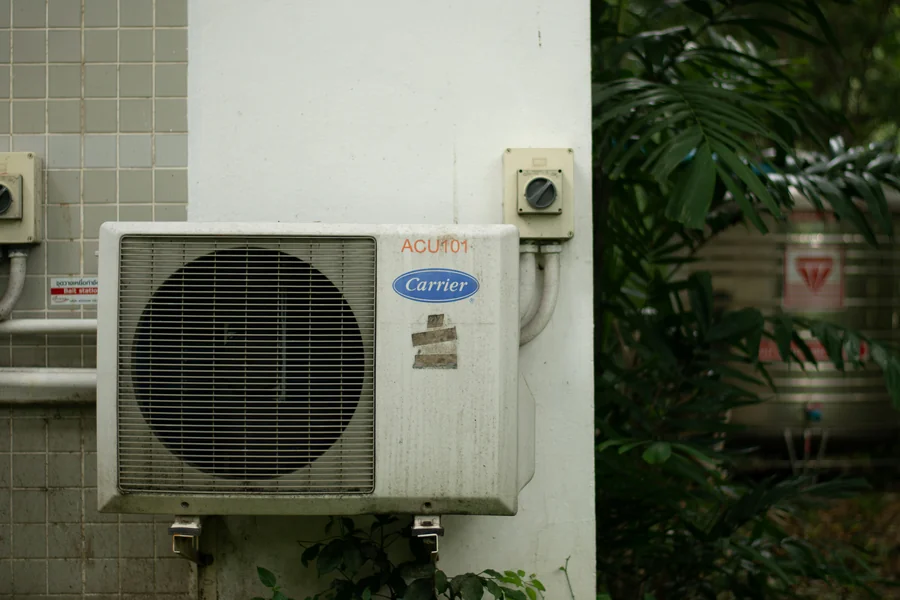
Outdoor condenser units are constantly exposed to the elements, which makes them vulnerable to dirt, leaves, and debris buildup. During seasonal transitions, especially in fall and spring, these materials can quickly accumulate and restrict airflow. When airflow is limited, the system must work harder to release heat, which reduces efficiency and can increase energy consumption. Over time, neglecting this buildup can shorten the unit’s lifespan.
Regularly checking the area around the unit helps prevent these issues. Homeowners should ensure there is at least two feet of open space surrounding the condenser. Gently removing debris and rinsing the unit with a hose can improve performance. Keeping the unit clean supports proper operation and reduces the risk of overheating during periods of high demand.
Beyond simple cleaning and filter swaps, homeowners should remain vigilant regarding the more complex components that keep the air flowing. Seasonal transitions often reveal hidden vulnerabilities in the electrical connections or refrigerant lines that may have slightly degraded while sitting idle. Monitoring these subtle changes in performance is a key part of maintaining hvac wilmington systems during the unpredictable shifts between humid coastal summers and chilly winter nights. Taking the time to observe the unit’s startup cycle for any hesitation or clicking sounds can serve as an early warning system. By staying attuned to these operational nuances, you can address minor mechanical stresses before they compromise your indoor climate or lead to significant spikes in energy consumption.
Identifying Red Flags Before Switching Modes
Switching from cooling to heating or the reverse is a key moment to assess your HVAC system’s condition. Unusual sounds such as rattling, grinding, or squealing often signal mechanical issues that should not be ignored. These noises may indicate loose components, worn belts, or motor problems that can worsen if left unaddressed. Paying attention to these early warning signs can prevent sudden system failure.
Odors are another important warning sign. A burning smell could point to electrical concerns, while musty odors may suggest mold growth within the system or ductwork. Identifying these issues early allows homeowners to address them before the system is heavily used. Taking action at this stage helps prevent larger problems and ensures a smoother transition between seasons.
Checking Ductwork Integrity and Sealing Leaks
Ductwork plays a critical role in distributing heated or cooled air throughout the home. When ducts develop leaks or gaps, conditioned air can escape before reaching its intended destination. This results in uneven temperatures, reduced comfort, and higher energy bills as the system compensates for the loss. Even small leaks can significantly impact overall system efficiency if left untreated.
Inspecting visible duct sections for signs of wear, disconnection, or damage is a practical step during seasonal preparation. Sealing small leaks with appropriate materials can improve airflow and system efficiency. Properly maintained ductwork ensures consistent temperature control across all rooms and supports the overall performance of the HVAC system.
Beyond basic filter changes, examining the intricate components of your heating and cooling units can prevent minor malfunctions from escalating into significant failures. Professional technicians often check for frayed wiring, corroded electrical contacts, and small refrigerant leaks that homeowners might easily overlook. Engaging with a service provider like Modern Mechanical HVAC ensures that these technical assessments are performed with specialized diagnostic tools, providing a level of precision that manual inspections cannot match. This proactive approach is particularly beneficial before the extreme heat of summer or the biting cold of winter sets in. By addressing these hidden vulnerabilities early, you maintain higher energy efficiency and secure the long-term reliability of your entire home comfort system.
Keeping Your Home Comfortable Through Every Season
Preparing your HVAC system for seasonal temperature changes requires attention to both small details and overall system health. Tasks such as clearing outdoor units, monitoring unusual signs, and ensuring ductwork integrity all contribute to a more efficient and reliable system. Each step helps reduce strain on the equipment and supports consistent indoor comfort. Consistent maintenance also provides peace of mind during extreme weather conditions.
Staying proactive with maintenance not only improves performance but also helps control long-term costs. A system that operates efficiently uses less energy and is less likely to require major repairs. With regular care and timely inspections, homeowners can enjoy a comfortable living environment throughout the year while protecting their HVAC investment.
Accurate airflow measurement is more than just a technical formality; it is a fundamental step in protecting the long-term health of a property. When these measurements are overlooked, homeowners often face a cascade of issues that extend beyond simple temperature fluctuations. For instance, just as a timely roof replacement prevents structural water damage Emergency AC Repair, maintaining proper air velocity protects sensitive internal components from premature failure. Neglecting these diagnostics forces the system to operate under constant stress, leading to higher utility costs and poor indoor air quality. By prioritizing precision early on, professionals ensure that every part of the building’s mechanical and thermal envelope works in harmony to provide a safe, efficient living environment.