
How to Remove a Tattoo: Proven Methods That Work
Getting a tattoo can be an exciting and meaningful experience, but what happens when you change your mind or your tattoo no longer represents who you are? Fortunately, there are several proven methods for removing tattoos, ranging from at-home treatments to professional procedures. In this article, we’ll explore the most effective ways to say goodbye to unwanted ink.
Understanding Tattoo Removal Options
Before diving into the various tattoo removal methods, it’s essential to understand that not all tattoos are created equal. Factors such as the size, location, color, and age of your tattoo can impact the effectiveness of different removal techniques. It’s also crucial to have realistic expectations and understand that complete removal may not always be possible.
At-Home Tattoo Removal Methods
While at-home tattoo removal methods may seem appealing due to their convenience and lower cost, it’s important to approach these techniques with caution. Many at-home treatments, such as tattoo removal creams and DIY scrubs, can be ineffective and potentially harmful to your skin. It’s always best to consult with a professional before attempting any at-home tattoo removal.
Professional Tattoo Removal Procedures
When it comes to safe and effective tattoo removal, professional procedures are often the best choice. The most common professional tattoo removal methods include:
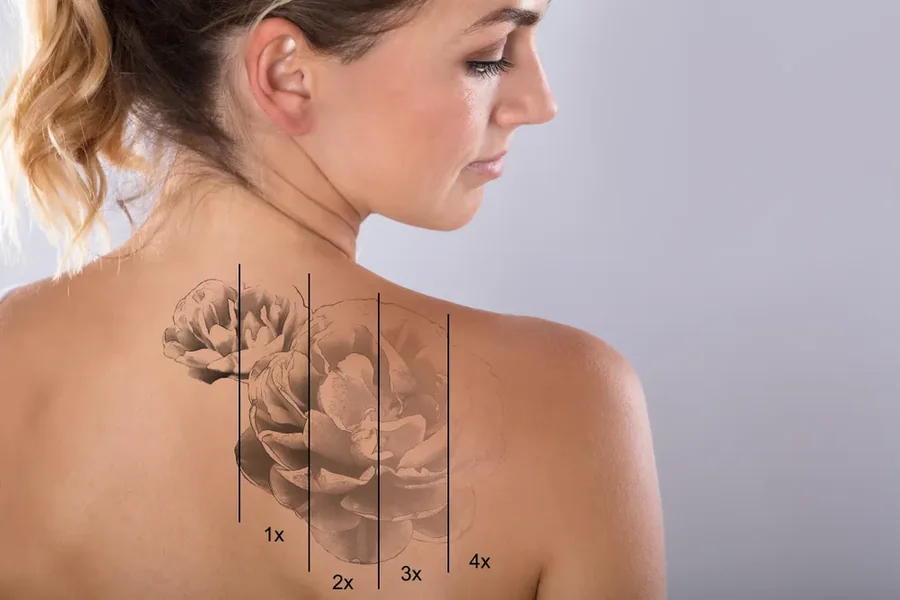
- Laser Tattoo Removal: This is the most popular and effective method for removing tattoos. Laser tattoo removal works by using high-intensity light to break down the tattoo ink, which is then naturally absorbed by the body. Multiple sessions are typically required for optimal results.
- Surgical Excision: For smaller tattoos, surgical excision may be an option. This procedure involves cutting out the tattooed skin and stitching the surrounding skin back together. While this method can be effective, it often leaves a scar and is not suitable for larger tattoos.
- Dermabrasion: Dermabrasion involves using a rotating abrasive device to remove the top layers of skin, effectively fading the tattoo. This method can be painful and may require multiple treatments for complete removal.
Choosing the Right Professional for Tattoo Removal
When considering professional tattoo removal, it’s crucial to choose a reputable and experienced provider. Look for a clinic that specializes in tattoo removal and employs trained professionals who use state-of-the-art equipment. For example, if you’re looking for professional laser tattoo removal Denver, research local clinics and read reviews from previous clients to ensure you’re making an informed decision.
Preparing for Tattoo Removal
Before undergoing any tattoo removal procedure, it’s essential to prepare your skin and overall health. This may include:
- Avoiding sun exposure and tanning beds for several weeks prior to treatment
- Quitting smoking, as smoking can impede the healing process
- Informing your tattoo removal specialist of any medications or health conditions that may impact the procedure
- Following any pre-treatment instructions provided by your specialist
Aftercare and Recovery
After your tattoo removal procedure, proper aftercare is essential to promote healing and minimize the risk of complications. Your tattoo removal specialist will provide specific instructions, which may include:
- Keeping the treated area clean and dry
- Applying any prescribed ointments or dressings
- Avoiding direct sunlight and using sunscreen to protect the treated skin
- Refraining from picking or scratching the treated area
- Attending all scheduled follow-up appointments to monitor your progress
Conclusion
Removing a tattoo can be a significant decision, but with the right approach and professional guidance, it’s possible to achieve the results you desire. By understanding your options, choosing a reputable provider, and following proper pre- and post-treatment care, you can effectively remove your unwanted tattoo and embrace a fresh start. For more insights and related discussions, you can visit discourse magazine.