
How to Style Female Cashmere Sweaters for September Weather in the US
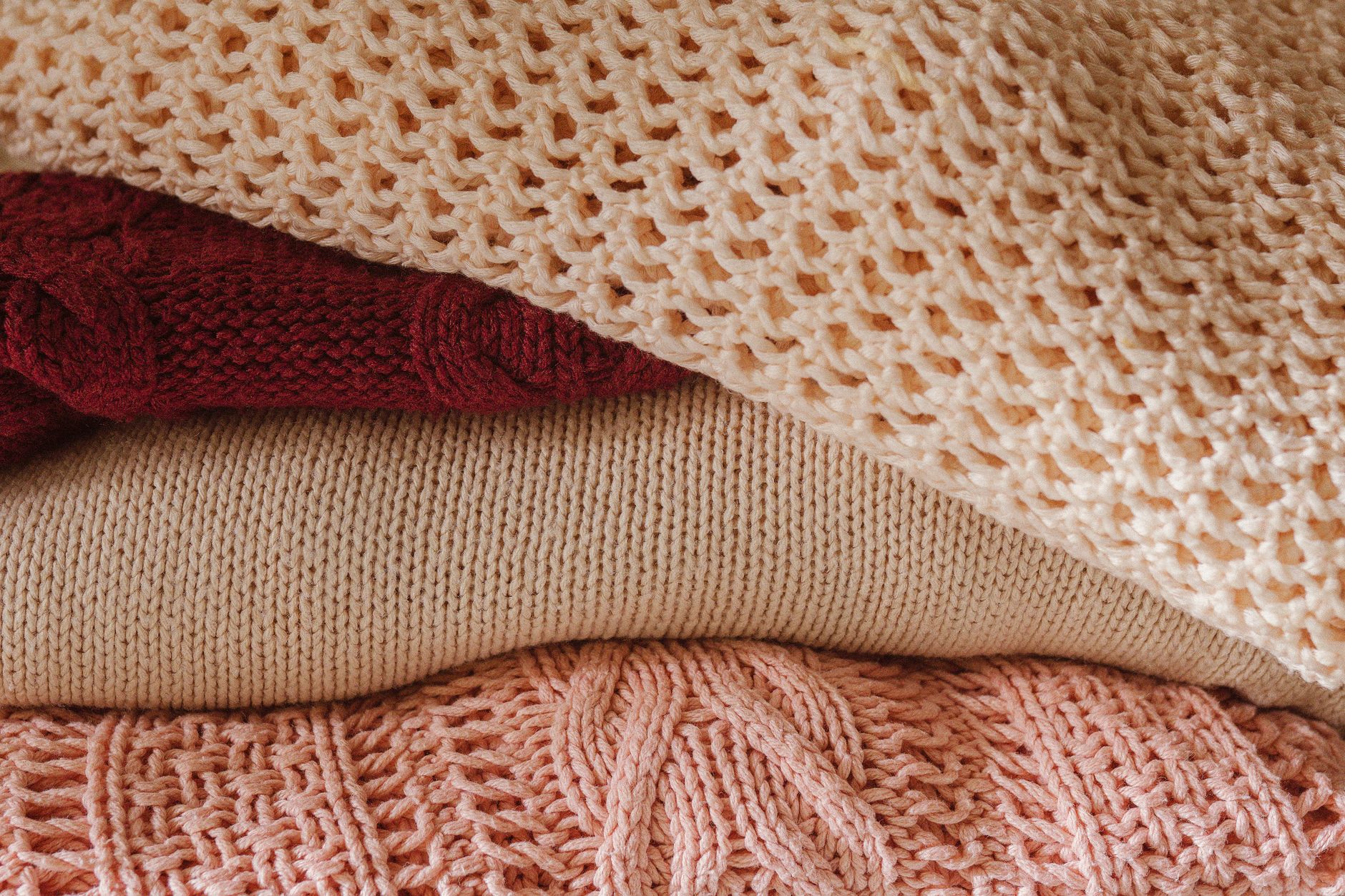
September in the US is one of those months that refuses to commit. The mornings can sit in the low fifties in the Northeast while afternoons push back into the seventies. In the Midwest, the shift can happen within hours. West Coast September runs its own program entirely, with marine layer mornings and warm dry afternoons that have very little in common with what New England is doing at the same time. Female cashmere sweaters work across all of these conditions in a way that other knitwear formats do not, because the fiber responds to temperature variation rather than holding a fixed insulation level regardless of what the air around it is doing.
That responsiveness is what makes a cashmere sweater a practical September purchase rather than a premature autumn investment. It is warm enough to make the morning walk comfortable and light enough to be worn through an afternoon that turned out warmer than the forecast suggested.
Why Weight and Gauge Matter for the Transition Season
The selection factor that has the most practical effect on how a cashmere sweater performs in September is fabric weight and gauge. A fine-gauge, lightweight 2-ply yarn construction handles the variable conditions of early fall far better than a heavier mid-season weight. A lighter construction adjusts to fluctuating temperatures rather than committing to heavy warmth, which is exactly what variable September days require.
This is worth thinking about before purchase because the cashmere that photographs best and feels most luxurious in a showroom or on a screen is often the heavier construction, which is the right choice for November but less useful in a month where a sixty-degree morning is followed by a seventy-five degree afternoon.
How to Build September Outfits Around a Cashmere Sweater
The tucked-in crew neck over high-waisted trousers is the combination that has been showing up most consistently in how women are styling lightweight sweaters for early fall in 2026. The tuck creates definition without being formal, and the crew neck silhouette against a clean trouser leg gives the outfit a proportion that works across office, lunch, and casual evening contexts without requiring a change.
A V-neck over a simple slip dress with a light ankle boot is the transitional dressing answer for September days that start cool and warm up. The layering works at the start of the day, and the sweater comes off easily if the afternoon gets warm without disrupting the underlying outfit. This kind of temperature-responsive layering is where cashmere earns its wardrobe position in a way that a cotton or synthetic knit does not, because removing a cotton sweater mid-afternoon often exposes a base layer that was not designed to be seen alone.
The oversized silhouette, worn with fitted denim and a low sneaker or a simple flat, continues to work for weekend and casual office dressing in a way that does not feel trend-dependent. The relaxed proportion in a neutral tone reads as considered rather than casual when the fiber is visibly soft and well-made.
The full range of styles suited to the September transition season in the US is available through the female cashmere sweaters collection, which covers different weights, necklines, and silhouettes across the early autumn palette.
The wider Gobi product range, including accessories and layering pieces that extend the usefulness of a September cashmere wardrobe, is available through the Gobi Cashmere Mongolia US storefront, which reflects the brand's direct sourcing from Mongolian herder communities where the climate produces the fiber quality that makes the performance difference.
Color Direction for September
September color in the US wardrobe tends to lean warm before it goes deep. Camel, warm ivory, dusty rose, and the tan-adjacent tones that read as neither summer nor full autumn are the colors that show up most consistently in early-fall dressing because they sit comfortably alongside both the lighter pieces still in rotation from summer and the darker tones that start coming in through October. A saturated burgundy or a deep forest green can work as a September purchase but tends to feel more natural from mid-October onward.