
How Virginia DUI Charges Work and Why Two Separate Cases Start the Moment You Are Arrested
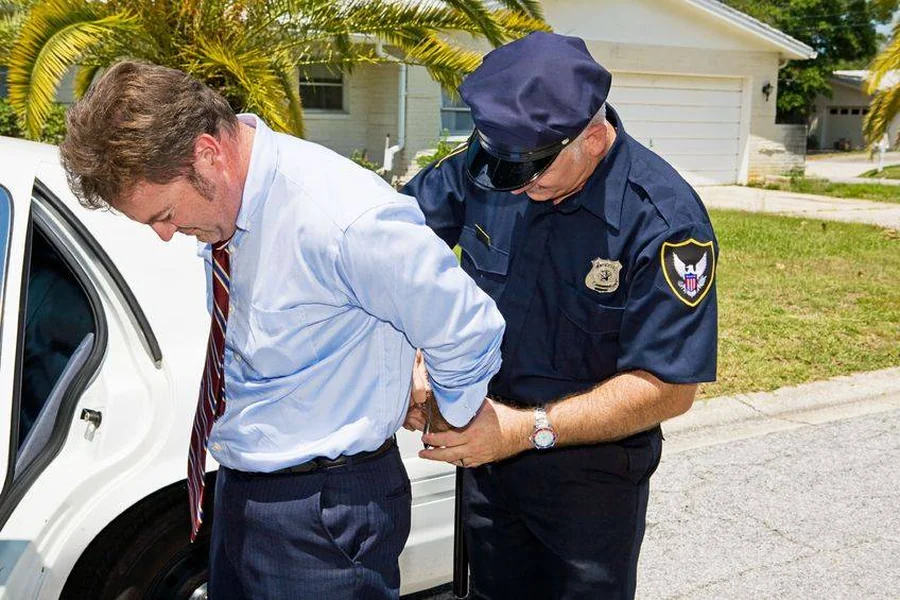
A DUI arrest in Virginia sets two separate legal processes in motion at the same time, and most people facing one are only aware of the criminal case. The administrative proceeding, which determines what happens to the driver’s license independently of anything a criminal court decides, runs on its own timeline with its own deadlines and its own consequences. Missing those deadlines, or treating the license suspension as a problem to address after the criminal case is resolved, is one of the most common and most costly mistakes Virginia DUI defendants make in the first days after an arrest.
When someone searches for a dui lawyer near me after a Virginia DUI arrest, what they are really looking for is someone who can manage both tracks simultaneously, because each one affects the other and each one has deadlines that will not wait for the other to resolve first.
Virginia’s DUI Statute and What It Covers
Virginia Code Section 18.2-266 prohibits operating a motor vehicle while under the influence of alcohol or other substances, or with a blood alcohol content of 0.08 percent or higher. The 0.08 threshold is a per se violation, meaning no additional proof of impairment is required if the BAC meets or exceeds that level. Virginia also creates enhanced penalties for BAC levels of 0.15 or higher and 0.20 or higher, with mandatory minimum jail sentences that attach automatically when those thresholds are established by a blood or breath test. The first offense is a class 1 misdemeanor. A second offense within ten years carries mandatory jail time, and a third offense within ten years is a class 6 felony.
The Implied Consent Law and What Refusal Costs
Virginia’s implied consent statute, Code Section 18.2-268.2, holds that any person who operates a motor vehicle on a Virginia highway has consented to a breath or blood test if lawfully arrested for DUI. Refusing to take the post-arrest chemical test is not a neutral choice. A first refusal results in a civil penalty and a one-year license suspension. A second refusal within ten years is a class 1 misdemeanor carrying its own criminal penalties. The refusal is admissible in the DUI trial as evidence of consciousness of guilt, which means declining the test does not prevent the prosecution from building its case. It adds a layer of administrative and potentially criminal consequences while providing the prosecution with an additional argument.
The Administrative License Suspension and Its Deadlines
At the time of a DUI arrest in Virginia, the arresting officer typically takes the driver’s license and issues a seven-day temporary license. After that period, the administrative suspension takes effect. For a first offense, the suspension runs until the criminal case is resolved in court. For certain refusal situations or elevated BAC readings, the suspension parameters differ. The critical point is that the administrative suspension is not simply a consequence of the criminal case. It is a parallel proceeding with its own standards and its own timeline, and it affects the defendant’s ability to drive to work, medical appointments, and any other daily obligation while the criminal case is pending.
What the Defense Investigation Covers
A Virginia DUI defense begins with the stop itself. The Fourth Amendment requires that law enforcement have reasonable articulable suspicion to initiate a traffic stop, and an unlawful stop can result in suppression of all evidence gathered after it, including the chemical test results. If the stop was lawful, the investigation moves to the field sobriety tests, whether they were properly administered, whether the officer was certified to conduct them, and whether the defendant’s performance was affected by factors unrelated to alcohol such as physical conditions, footwear, or lighting. The chemical test requires its own analysis, including whether the breathalyzer was properly calibrated and maintained, whether the testing protocol was followed exactly, and whether the blood draw chain of custody is intact. The Virginia Department of Forensic Science maintains the calibration and maintenance records for breath testing equipment used throughout the state, and those records are a standard part of any thorough DUI defense investigation in Richmond.