
Inside the Shift: How Hospitals Are Adapting to Modern Patient Expectations
Hospitals are redefining what quality care means in a time when patients expect more than clinical expertise. Convenience, clarity, and compassion now sit alongside medical outcomes as key measures of performance. Healthcare organizations recognize that modern patients compare their experiences to other service industries.
Leaders across hospital systems are responding with thoughtful operational changes. Digital platforms are expanding access. Care teams are refining communication standards. Administrative processes are being streamlined to reduce confusion and delays. Patient feedback plays a stronger role in shaping policies and procedures.
Digital Access and the Rise of the Connected Patient
Technology has reshaped how patients interact with healthcare providers. Online appointment scheduling eliminates long phone calls and reduces friction. Mobile apps allow patients to review test results, request prescription refills, and message their physicians without waiting days for a response. These tools create a sense of accessibility that patients now consider standard.
Telehealth services have also become a central part of care delivery. Virtual consultations offer flexibility for routine follow-ups and minor concerns. Patients who live in rural areas or manage tight schedules benefit from remote access.
Advanced Diagnostic Tools and Modern Equipment Strategies
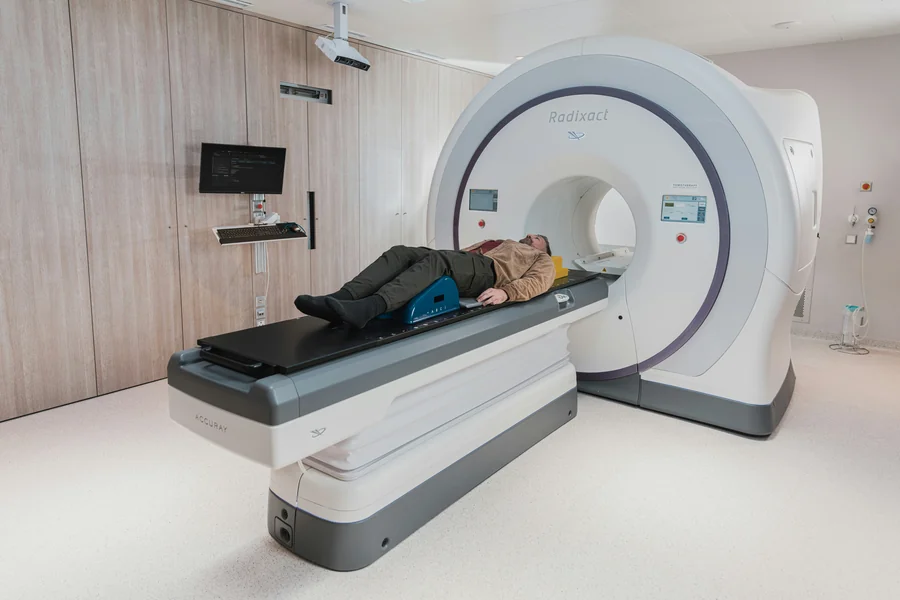
Clinical excellence remains the foundation of hospital care, yet patients increasingly expect visible proof of technological capability. Advanced imaging systems, precision-guided surgical tools, and upgraded laboratory platforms reflect a hospital’s commitment to accuracy and efficiency. Strong diagnostics support faster decisions and more confident treatment plans.
Financial realities shape how these upgrades happen. Imaging technology, especially high-performance MRI machines, requires substantial capital investment, ongoing maintenance, and periodic software updates. Budget constraints often force leadership teams to weigh expansion against long-term sustainability. Expanding MRI capacity can improve turnaround times and reduce referral bottlenecks, but it must align with responsible financial planning. Hospital management can look for the best MRI equipment for lease to expand diagnostic capacity without straining capital budgets. Leasing structures provide flexibility, preserve cash flow, and allow hospitals to remain competitive without compromising fiscal discipline.
Transparency in Communication and Billing
Clear communication shapes every stage of the patient journey. Medical terminology can feel overwhelming, so providers are making deliberate efforts to explain diagnoses and procedures in straightforward language. Patients value clarity when discussing risks, treatment plans, and expected outcomes.
Billing transparency has become equally important. Confusing statements and unexpected charges erode trust. Hospitals are responding with detailed cost estimates before procedures and simplified billing formats. Financial counselors are more accessible to answer questions and outline payment options. Open communication reduces anxiety and prevents misunderstandings. Patients who understand their care plans and financial responsibilities feel more confident in their decisions.
Personalized Treatment Plans and Coordinated Care
Patients want to feel seen as individuals rather than case numbers. Personalized care reflects that expectation. Electronic health records and data analytics allow clinicians to review medical histories, medication patterns, and risk factors more effectively. Treatment plans can then be tailored to specific needs.
Care coordination plays a vital role in this process. Specialists, primary care physicians, and support staff collaborate to ensure continuity. Smooth transitions between departments prevent gaps in treatment. Patients experience fewer repeated explanations and less confusion. Individualized strategies also support better engagement. Patients are more likely to follow recommendations when plans align with their lifestyles and preferences.
Shorter Wait Times and Efficient Patient Flow
Time remains one of the most valuable resources for patients. Long waits in emergency rooms or clinics can undermine even the best clinical care. Hospitals are examining scheduling systems and staffing patterns to address this concern.
Predictive analytics helps administrators anticipate busy periods and allocate personnel accordingly. Improved triage processes ensure that urgent cases receive prompt attention. Streamlined check-in systems reduce bottlenecks at the front desk. Efficient patient flow benefits both patients and staff. Reduced congestion creates a calmer environment and lowers stress levels. Timely service demonstrates respect and professionalism.
Comfort, Safety, and the Physical Environment
Physical surroundings influence how patients perceive the quality of care. Cleanliness, lighting, noise control, and room layout all shape comfort levels. Hospitals are redesigning spaces to create calmer and more private environments. Private rooms, improved ventilation systems, and clearly marked navigation paths contribute to a smoother experience.
Safety standards remain central to these improvements. Enhanced infection control protocols, visible sanitation practices, and modernized equipment reassure patients and families. Clear signage and organized waiting areas reduce confusion and stress. Attention to detail within the physical environment communicates professionalism and care.
Staff Training Focused on Empathy and Service
Clinical skill forms the backbone of hospital performance, yet interpersonal interaction often defines the overall experience. Patients remember how they were treated as much as the treatment itself. Hospitals are investing in training programs that strengthen communication, cultural awareness, and emotional intelligence.
Empathy training encourages providers to listen carefully and respond with clarity. Clear introductions, eye contact, and patient-centered conversations build confidence. Staff members who take time to address concerns create a sense of partnership. Leadership teams also promote service-oriented values across departments. Front desk personnel, nurses, technicians, and physicians contribute to a consistent standard of professionalism.
Data Security and Patient Privacy in a Digital World
Digital expansion has increased convenience, yet it has also raised concerns about privacy. Patients want assurance that their medical records and personal details remain protected. Hospitals are strengthening cybersecurity systems and conducting regular audits to safeguard sensitive information.
Staff education plays an important role in maintaining secure practices. Training sessions reinforce the importance of password protection, secure communication channels, and compliance with privacy regulations. Clear internal policies reduce the risk of data breaches. Transparency about security measures builds confidence. Patients who understand how their information is protected feel more comfortable using digital tools.
Hospitals are evolving in response to a new generation of patient expectations. Digital access, advanced technology, transparent communication, personalized care, operational efficiency, and strong service culture define this transformation. Each improvement reflects a broader commitment to accountability and responsiveness.
Modern healthcare extends beyond treatment alone. Experience, clarity, and trust shape how patients evaluate quality. Hospitals that align strategy with these expectations strengthen both outcomes and reputation. Continuous adaptation ensures that care remains relevant, accessible, and patient-focused in an increasingly connected world.