
Is Witch Hazel Good For Skin? Exploring the Benefits of This Natural Botanical
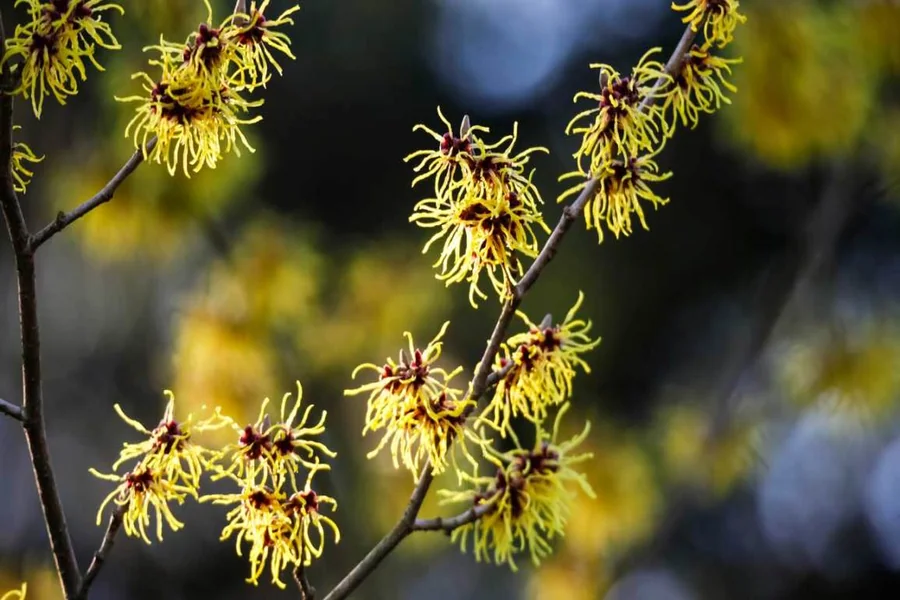
Witch hazel has long been used in traditional skincare and herbal remedies, but many people still ask the same question: Is witch hazel good for skin? This natural plant extract has become a staple ingredient in toners, cleansers, and other skincare products due to its soothing and cleansing properties.
Derived from the bark and leaves of the witch hazel shrub, the extract contains compounds that may help calm irritation and support healthy-looking skin. Understanding how witch hazel works can help people decide whether it fits into their skincare routine.
What Witch Hazel Is and Where It Comes From
Witch hazel is a botanical extract obtained from a flowering shrub native to North America. The plant has been used for centuries in herbal preparations and traditional medicine practices. Indigenous communities historically used witch hazel to soothe skin irritation, minor wounds, and inflammation. Today, the extract is widely used in modern skincare products and natural remedies.
The extract is typically produced by distilling the bark, leaves, or twigs of the plant. This process concentrates beneficial plant compounds that contribute to witch hazel’s skincare properties. Many commercial products combine the extract with purified water or alcohol to create toners and astringents. The resulting formula can be applied directly to the skin or included in creams and lotions.
Why Witch Hazel Is Often Used In Skincare
When people ask if witch hazel is good for skin, they are often referring to its ability to support a clearer, more balanced complexion. Witch hazel contains natural tannins, which are plant compounds known for their mild astringent properties. These compounds may help tighten the skin’s surface and temporarily minimize the appearance of pores. This effect is one reason that witch hazel frequently appears in facial toners.
Another reason that witch hazel is commonly used in skincare is its potential soothing effect. Many individuals apply it to reduce redness or minor irritation after cleansing their faces. The plant extract can feel refreshing when applied with a cotton pad or gentle toner. For people with oily or combination skin, witch hazel may also help remove excess oil.
Potential Skin Benefits of Witch Hazel
One potential benefit of witch hazel is its ability to help balance oil production. Oily skin can contribute to clogged pores and breakouts, so products that remove excess oil may support a clearer appearance. Witch hazel toners are often used after cleansing to help remove remaining oil from the skin’s surface. This step can leave the skin feeling refreshed and clean.
Another possible benefit is soothing minor skin irritation. Some people apply witch hazel after shaving or exposure to environmental stressors. The extract’s cooling sensation can be calming on the skin. This effect has made it a popular ingredient in aftershave products and calming facial sprays.
How Witch Hazel Is Used In Skincare Products
Witch hazel appears in a wide variety of skincare formulations. One of the most common forms is a facial toner designed to be applied after cleansing. These toners are typically used with a cotton pad to sweep across the face gently. The goal is to remove remaining impurities and prepare the skin for additional products.
Some skincare brands incorporate witch hazel into cleansers and micellar waters. In these products, the extract helps support the cleansing process while leaving the skin feeling refreshed. Because it blends well with other botanical ingredients, witch hazel often appears alongside plant extracts such as aloe or chamomile.
Is Witch Hazel Good for Skin Types That Vary?
When evaluating whether witch hazel is good for the skin, it is important to consider individual skin types. Many people with oily or combination skin appreciate witch hazel because it helps reduce excess shine. The mild astringent properties may leave the skin feeling tighter and more balanced. This effect can be helpful for people who struggle with oily areas on the face.
For individuals with sensitive skin, the experience can vary depending on the formulation. Some witch hazel products contain alcohol, which may feel drying for certain skin types. Alcohol free formulations are often recommended for people seeking a gentler option. Checking ingredient labels can help identify products that suit different skin needs.
Is Witch Hazel Good for Skin? Our Final Thoughts
So, is witch hazel good for skin? For many people, this botanical extract can be a helpful addition to a skincare routine. Its natural tannins, refreshing feel, and cleansing properties have made it a popular ingredient in toners and facial treatments. When used appropriately, witch hazel may support a clean and balanced complexion.
If you plan on applying witch hazel to your skin, be sure to buy it from a reputable business, like Wholesale Botanics.
With its long history in herbal remedies and modern beauty products, witch hazel continues to be valued as a versatile botanical ingredient. For those interested in plant-based skincare, it remains one of the most recognizable and widely used natural extracts.