
Is Your Home Trying to Tell You Something? Here’s What to Watch For
You hear a faint drip at night and tell yourself it is nothing worth getting up for. It usually is not urgent, at least not right away, and that is how most home issues manage to stay unnoticed longer than they should.
Over time, though, small signs tend to repeat. A stain that was not there last month, a draft that feels stronger than before, a door that does not quite close right. These are not dramatic problems, but they are rarely random either. A house does not speak, but it does show patterns if you look long enough.
The Small Signs That Get Ignored
You get used to your space without noticing it. Same hallway, same windows, same corners, and slowly things change, but never enough to feel urgent. A crack looks old even if it wasn’t there last year. A faint smell after rain gets ignored. Maybe the floor feels a bit soft in one spot, but you step around it.
Nothing pushes you to act right away. That is the problem. Small issues sit, then connect. Moisture spreads, materials weaken, and what looked minor starts layering into something bigger, usually before you fully notice it.
When the Roof Starts Showing It
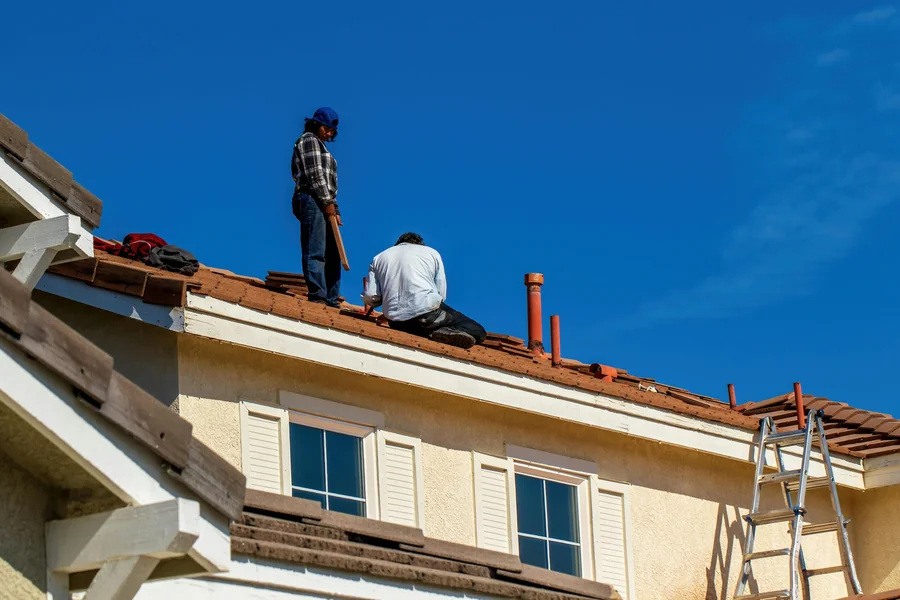
It is easy to forget about the roof because it is not in direct view most of the time. It tends to be out of sight and therefore out of mind. Until something changes inside. Water stains on ceilings often show up late, not early. By the time they appear, moisture has already moved through layers of material. You might notice a darker patch, or a slight sag in the ceiling, and wonder how long it has been forming. At this point, you need to turn to professionals for roof repair.
When the roof is damaged, you also notice problems with the insulation and temperature. Rooms that feel colder in winter or warmer in summer can sometimes point to issues above rather than within the walls. Air escapes in ways that are not obvious at first. The right professionals would know exactly what to look for and where to look, ensuring the fix is not just surface-level.
Changes in Sound, Light, and Air
A home that is in good condition tends to feel stable. Sounds are familiar, airflow is predictable, and light moves through spaces in ways you expect. When something shifts, even slightly, it can feel off without being easy to explain.
You might hear more outside noise than before, or notice that certain rooms echo differently. Windows that once sealed tightly may allow in a faint whistle during windy days. These are small changes, but they often point to wear in materials that were once more solid. Light can also reveal issues. A slight change in how sunlight hits a wall might expose uneven surfaces or new marks. It is not always damage, but it is worth noticing. These shifts rarely happen without a reason.
The Way Surfaces Start to Behave
Walls, floors, and ceilings tend to tell their own story over time. Paint begins to bubble or peel in places where moisture has been present. Floors might creak more than usual or feel uneven under pressure. Even tiles can loosen slightly, which might not seem serious until more begin to follow.
These are not isolated problems most of the time. They often connect back to something structural or environmental. Humidity, temperature changes, and material aging all play a role. What makes it complicated is that each sign on its own feels manageable. It is easy to patch a wall or tighten a fixture and move on. But if the underlying cause is not addressed, the same issue tends to return, sometimes in a different spot.
The Slow Build of Moisture Problems
Moisture is one of the more common causes of hidden issues in a home. It moves quietly, often behind surfaces where it cannot be seen. By the time it becomes visible, it has usually been there longer than expected.
You might notice a musty smell that does not go away, even after cleaning. Or a section of wall that feels slightly damp, though it has not been exposed to water directly. These are subtle indicators, but they rarely fix themselves. Over time, moisture affects materials in a way that weakens them. Wood softens, paint loses its grip, and insulation becomes less effective. The process is slow, which is why it often goes unchecked.
When Things Stop Working Smoothly
Doors that stick, windows that are harder to open, and fixtures that seem slightly misaligned are often brushed off as normal wear. And sometimes they are. Homes do settle over time. But repeated issues in multiple areas can point to a larger shift. Structural movement, even minor, can affect how different parts of a house function. It does not always mean something serious is happening, but it is not something to ignore either.
These changes tend to build gradually. You adjust to them without realizing it. A door that needs a little extra push becomes part of the routine. It only stands out when compared to how things used to feel.
Paying Attention Without Overreacting
There is a balance to be found when it comes to home maintenance. Not every small issue needs immediate action, but ignoring patterns rarely helps. The key is noticing repetition.
If the same type of problem appears in more than one place or returns after being fixed, it is usually worth a closer look. Not in a rushed way, but in a thoughtful one. Understanding what is happening beneath the surface often saves time and effort later. Homes are not static. They change with the weather, use, and age. That part is expected. What matters is how those changes are handled over time.
When everything is working as it should, a home feels steady. You do not think about the walls, the roof, or the structure because nothing calls attention to itself. That quiet stability is easy to take for granted. Once small signs begin to appear, that sense of stability shifts slightly. It is not always dramatic, but it is noticeable if you pay attention. The goal is not to react to every minor detail, but to understand when those details start forming a pattern. In the end, a house does not need to speak directly to be understood. It shows what it needs through small, repeated signals. The question is whether those signals are being noticed early enough to matter.