
La Quinta Bathroom Remodeling Guide: Smart Design for Desert Living
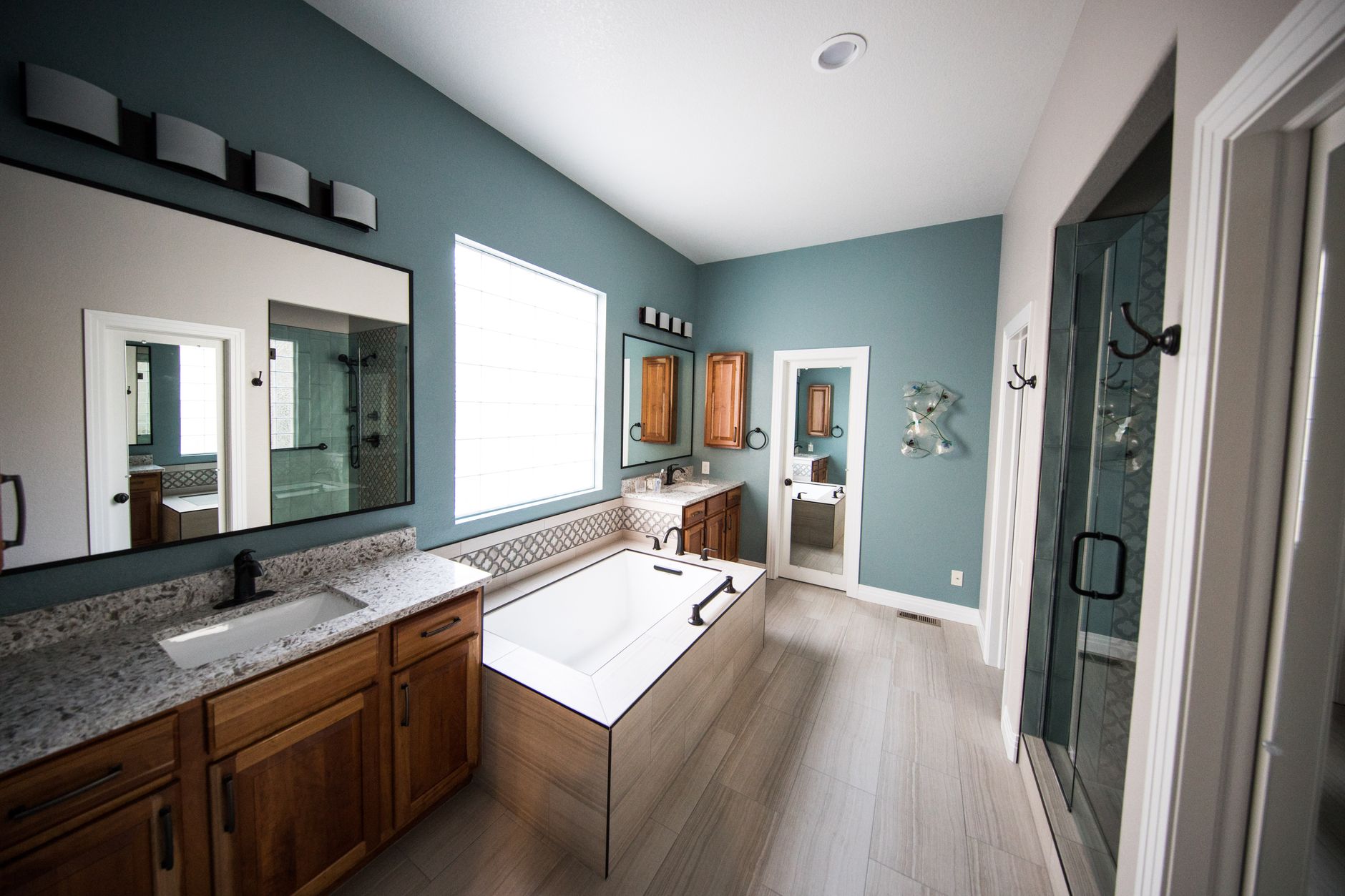
Key Takeaways
- La Quinta bathrooms benefit from finishes and fixtures that handle heat, dust, hard water, and daily use.
- Water-saving fixtures can support comfort and a more efficient home when performance is considered alongside flow rate.
- Ventilation, waterproofing, lighting, storage, and clear walking paths are practical priorities, not afterthoughts.
- A realistic budget should include behind-the-wall work, permits, material lead times, and a contingency reserve.
- Thoughtful planning creates a bathroom that remains attractive, safe, and easier to maintain for years.
After a warm afternoon in La Quinta, a well-designed bathroom should feel like a cool, uncluttered retreat. It also needs to stand up to dry desert air, windblown dust, mineral spotting, guests, and the routines of everyday life. The best remodels begin with those realities instead of simply copying a trend that works in another climate.
Homeowners comparing professional help can consider bathroom renovation contractor La Quinta, CA services from Lua Construction. The company's La Quinta bathroom remodeling service focuses on custom layouts, tile, showers, vanities, lighting, storage, and spa-style upgrades, making it a useful local reference for projects that need coordinated design and construction. Lua Construction also serves Palm Springs, Rancho Mirage, Palm Desert, and the surrounding Coachella Valley communities.
1. Start With La Quinta's Local Needs
A primary suite near La Quinta Cove may need generous daily storage and easy morning traffic flow. A guest bath in Old Town or a golf community may prioritize a polished look, simple controls, and low-maintenance surfaces. Vacation homes often benefit from durable materials, clear shutoff access, and finishes that can be cleaned quickly between visits.
Before selecting tile or fixtures, identify who uses the bathroom, how often it is occupied, and which frustrations need to disappear. A crowded vanity, dim mirror lighting, a slippery shower floor, or inadequate ventilation should shape the design from the beginning.
2. Choose Water-Wise Fixtures
Efficiency does not have to mean a weak shower or a basic-looking bathroom. WaterSense-labeled showerheads are independently certified for water efficiency and performance, including spray force and coverage. Pairing one with a quality valve and the right installation height can make the shower feel comfortable while reducing unnecessary water use.
A Practical Fixture Package
- A high-efficiency toilet with a comfortable bowl height and an easy-to-clean one-piece or skirted design.
- A WaterSense showerhead with a handheld option for rinsing walls, cleaning, and flexible use.
- Bathroom faucets with aerators that reduce flow without making handwashing inconvenient.
- Pressure-balancing or thermostatic shower controls that improve temperature consistency.
Before buying, review La Quinta's energy and water conservation resources for current local information on conservation programs and water-saving products. Program availability and requirements can change, so it is wise to confirm details before installation.
Photorealistic editorial shot of a clean, modern desert-inspired bathroom with a walk-in glass shower, matte porcelain tile, water-saving fixtures, floating vanity, layered mirror lighting, and neutral beige and white finishes; isolated interior composition, controlled studio lighting, minimal background, polished commercial feel.
3. Plan for Heat and Moisture
Desert air may be dry, but a shower still creates concentrated moisture in a closed room. Install a properly sized exhaust fan that vents outdoors, not into an attic or wall cavity. Humidity-sensing controls can be especially helpful in guest bathrooms because the fan can continue operating after someone leaves.
Waterproofing belongs behind the finished surface. A reliable shower assembly, sealed grout where appropriate, carefully applied caulk at movement joints, and sound drain details protect the work beneath the tile. Skipping these steps can contribute to odors, peeling paint, loose finishes, and hidden moisture damage. Heated floors can add comfort on cooler mornings, but their cost and electrical needs should be evaluated early.
4. Make the Layout Work Harder
Fix daily annoyances before investing in decorative details. Measure door swings, toilet clearances, vanity depth, outlets, towel locations, and the path from the shower to the linen storage. If a tub is rarely used, replacing it with a wider walk-in shower may make the room more useful.
- Decide which activities need dedicated zones: grooming, showering, storage, and laundry-related tasks.
- Consider a built-in shower bench, a recessed niche, or a curbless entry when they suit the household's needs.
- Keep frequently used items within easy reach rather than relying on countertop clutter.
- Allow room for future mobility needs where possible, especially in a primary bathroom.
5. Pick Durable Materials
Choose materials by upkeep and safety, as well as appearance. Porcelain tile is a dependable choice for floors and shower walls because it comes in many styles and is generally easy to maintain. Matte or textured flooring can provide better traction in wet areas than a highly polished surface.
Quartz counters are often easier to live with than porous natural stone, particularly where hard-water spotting is a concern. Light surfaces can make dust and water marks easier to see, which is useful for cleaning but may require more frequent wiping. Always view tile, paint, and countertop samples under the bathroom's actual lighting before committing.
6. Improve Lighting and Storage
Layered lighting makes a bathroom more functional at every hour. Use even task lighting around the mirror for grooming, soft ambient light for the room, and low-level toe-kick or pathway lighting for nighttime safety. Dimmers and lighted mirrors can add flexibility without adding visual clutter.
For storage, prioritize drawers for daily items, a vanity sized for the room, recessed shower niches, and a tall cabinet for linens or backup supplies. Open shelving can look appealing, but it works best when used sparingly and kept intentionally organized.
7. Build a Clear Remodeling Budget
A cosmetic refresh may involve paint, hardware, lighting, and a vanity replacement. A full renovation can include demolition, plumbing, electrical work, waterproofing, tile, fixtures, permits, inspections, and repairs discovered behind finished walls. Separate must-have repairs from optional upgrades so the essentials are protected first.
Set aside a contingency fund for issues such as water damage, old wiring, or plumbing changes. Ask for written allowances if tile, fixtures, or cabinetry are not yet selected. Moving plumbing can raise costs, but it may be worthwhile if it solves a layout problem that would otherwise remain for decades.
8. Choose the Right Remodeling Team
Compare contractors using the same questions. Confirm licensing, insurance, references, written scope, payment terms, and who will handle plumbing, electrical work, waterproofing, tile, permits, and inspections. A clear schedule should explain ordering, demolition, rough work, finish installation, and final walkthroughs.
Look for a team that explains tradeoffs plainly. The lowest initial number is not always the clearest value if it leaves out waterproofing details, permit coordination, fixture allowances, or a realistic plan for unforeseen conditions.
9. Use a Simple Pre-Construction Checklist
- ☐ Confirm the top three goals for the project.
- ☐ Measure the existing room and photograph problem areas.
- ☐ Check HOA requirements, approved work hours, and access rules.
- ☐ Confirm permit and inspection needs before construction begins.
- ☐ Select fixtures before finalizing plumbing locations.
- ☐ Order long-lead materials early.
- ☐ Plan where household members will shower during construction.
- ☐ Review waterproofing details before tile installation starts.
Conclusion
A successful La Quinta bathroom remodel should be comfortable, efficient, safe, and straightforward to maintain. When desert-smart materials, water-wise fixtures, dependable moisture control, and a practical layout work together, the result can feel luxurious without sacrificing everyday function. Style matters, but careful planning is what gives the finished bathroom lasting value.