
Live Music in 2026: Why the Experience Still Hits Different
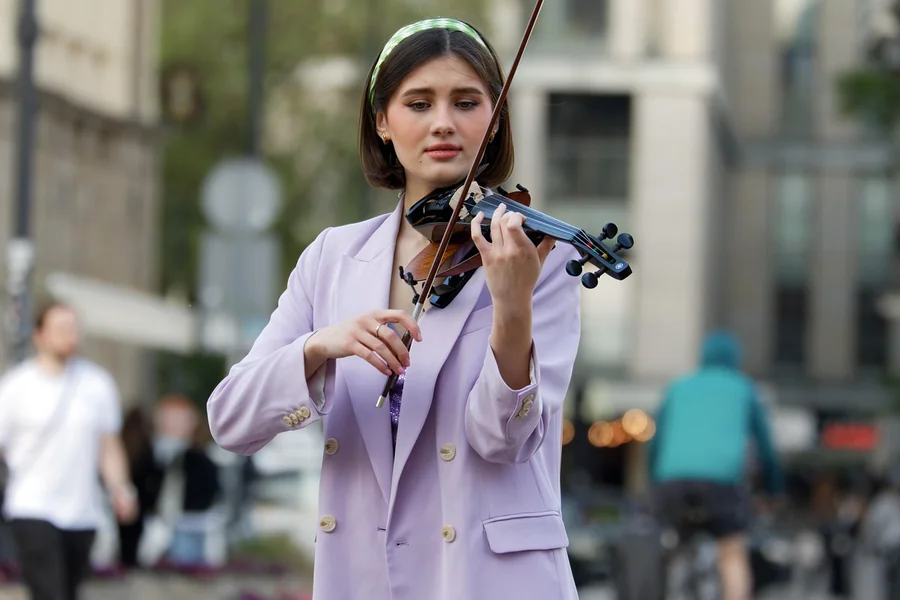
Live music still carries an undeniable pull in 2026. Audiences crave moments that feel real, present, and shared. Concerts unlock emotions that rarely surface in everyday routines because the environment encourages people to let go, connect, and absorb sound without distraction.
Many listeners talk about the sense of grounding they feel when a guitar riff vibrates through a room or a vocal run surprises everyone at the same time. These moments form memories that linger far longer than a playlist rotation. Live music keeps proving that it offers something deeper than convenience. It offers presence.
The Rise of Expanded Festival Culture
Festivals in 2026 feel more inviting than ever because the overall experience now reflects what attendees look for. People want spaces that offer comfort, energy, discovery, and a sense of belonging. The variety across stages gives fans a chance to shape their own rhythm throughout the day. Some wander toward mellow sets, others seek high-energy crowds, and many bounce between both.
This freedom makes each festival feel personal. Fans enjoy the mix of familiar headliners and unexpected new artists who bring fresh sounds to the scene. The atmosphere encourages people to explore without pressure, which keeps the day exciting from start to finish. If you’re planning to attend upcoming summer music festivals 2026 is the most happening year because the lineup choices and overall vibe match what audiences crave right now.
Artists such as violin prodigy Himari, celebrated pianist Yuja Wang, and chamber ensemble Canadian Brass add another layer to the experience by bringing memorable live performances to festival stages. Their presence blends powerful classics with thrilling musical moments, rounding out a festival culture that feels both expansive and deeply engaging.
Crowd Chemistry and Why It Still Matters
A crowd shapes the entire experience. People react to one another, and that reaction often becomes part of the memory. Someone cheers at the first note of a song, another sings every word, and the excitement spreads. The shared energy builds throughout the night, which makes the performance feel larger than the stage itself.
Many fans describe a sense of belonging during these moments. A concert invites strangers to align their emotions for a short period of time. That sense of unity plays a huge role in why live shows remain powerful in 2026. The chemistry of the crowd becomes a story in itself.
Artists Lean Into More Expressive Shows
Artists know the value of showing up for their live audiences. Many develop performances that feel more thoughtful and more expressive. Stages glow with curated lighting, stronger narratives, and setlists shaped to guide fans through highs and lows.
Some artists introduce songs that rarely appear online. Others adjust arrangements to match the mood of the night. These gestures signal appreciation for the people who came out to listen. Fans notice the effort and often describe these shows as the most authentic version of the artist’s work.
Technology That Enhances Without Replacing
Technology supports live music in ways that feel natural rather than overpowering. Sound engineers refine venue acoustics to create cleaner, warmer audio. Light design uses color and motion to strengthen emotion without distracting from the performers. Smart tools reduce delays and disruptions so artists can deliver smoother sets.
People embrace these improvements because they elevate the experience while still preserving its human core. Live music feels stronger in 2026 because technology understands its role. It guides the experience without taking center stage.
The Emotional Reset People Seek
Many listeners treat live music as a break from steady digital noise. A concert allows them to slow their thoughts and focus on a single experience. People often mention how their minds feel lighter once the first song starts because the environment naturally pulls attention toward the stage. The mix of sound, movement, and presence encourages a kind of clarity that rarely appears during ordinary days.
A show becomes a reset that helps people breathe with more intention. The feeling stays long after the night ends. Fans often recall how a single lyric or melody helped them reconnect with emotions they had pushed aside.
Live music continues to thrive in 2026 because people still want experiences that feel genuine. Real-time performance, expanded festival culture, crowd chemistry, expressive shows, and carefully used technology all contribute to a musical landscape filled with depth and variety. Fans return to concerts for emotional clarity, local discovery, and cultural meaning. Each night delivers moments that connect people to themselves and to one another.
Live music holds a place that no platform can fully replace because the core of the experience lives in human presence. The sound, the crowd, and the shared anticipation keep the tradition alive. Audiences walk away with memories that grow richer over time, which proves that the live setting remains one of the most powerful ways to experience music. Iconic venues remain a major part of that appeal, and Red Rocks Amphitheatre Event Tickets are often sought after by concertgoers looking for a truly distinctive live music experience.