
Navigating Modern Cosmetic Dentistry: Practical Choices for Lasting Smiles
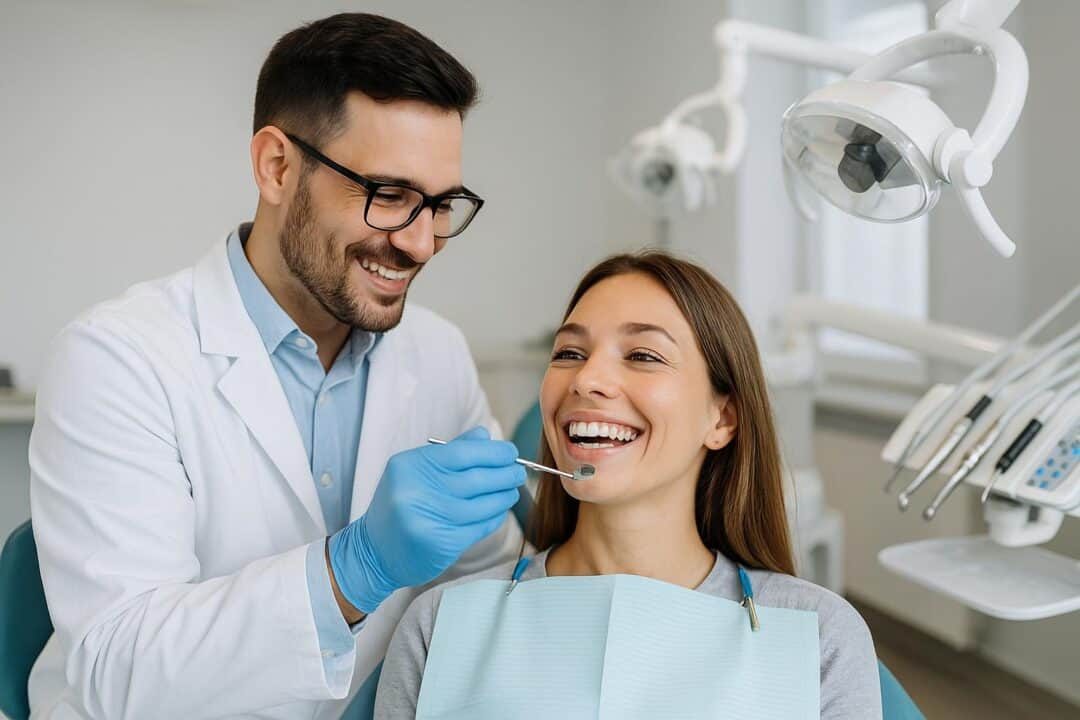
Twenty years ago, dentistry operated on a simple, reactive loop: wait for a tooth to break or decay, then drill away the damage and fill the hole. Aesthetics were an afterthought. Today, patient expectations have fundamentally changed. Families walk into dental clinics expecting treatments that are both functionally indestructible and visually indistinguishable from natural teeth.
Yet, this explosion of aesthetic options often leaves patients overwhelmed. Between social media influencers promoting aggressive smile makeovers and the sheer volume of conflicting material choices, it is difficult to separate legitimate medical advancements from marketing hype. I frequently speak with patients who are unsure if they actually need a crown, or if a more conservative option makes sense.
The reality is that modern dentistry has moved away from aggressive overtreatment. By understanding a few core principles about materials, digital workflows, and structural preservation, you can make informed decisions that protect both your family's oral health and your finances.
The Biomimetic Shift: Preserving What Nature Built
For decades, the standard protocol for a heavily restored tooth was a full-coverage crown. This required the dentist to shave down a significant portion of healthy enamel to create a small peg. While crowns are sometimes necessary, the field is rapidly adopting biomimetic dentistry—a philosophy focused on mimicking the natural biomechanics of teeth.
Biomimetic protocols prioritize keeping as much of your natural tooth intact as possible. Enamel is the hardest substance in the human body, and once it is gone, you cannot get it back. Instead of grinding a tooth down for a crown, many practitioners now use advanced bonding techniques to place ceramic onlays.
These restorations require specific, moisture-free environments to succeed. When executed correctly, the bond strength between modern composite resins or ceramics and natural dentin is staggering. This approach stops the traditional "dental death spiral," where a small filling eventually leads to a larger filling, a crown, a root canal, and eventually an extraction.
Surface Restorations and the Art of the Veneer
When patients want to correct intrinsic staining, minor crowding, or chipped edges, they often assume aggressive intervention is the only path forward. Bleaching has limits, especially with tetracycline stains or fluorosis. This is where ultra-thin porcelain restorations come into play.
Modern material science has completely changed how these restorations are applied. We no longer rely exclusively on opaque, bulky porcelain that looks artificial under natural light. Today’s labs use materials like lithium disilicate, which offers a translucent gradient that perfectly mimics the way real enamel absorbs and reflects light. Because these materials are incredibly strong even when milled paper-thin, dentists can perform minimal-prep or even no-prep procedures, leaving the underlying tooth largely untouched.
Finding a provider who balances this high-level aesthetics with structural integrity is the hardest part of the process. Whether you are consulting a specialist in Manhattan or evaluating dental veneers in Kissimmee FL, the core questions you must ask remain exactly the same. You need to know the expected lifespan of the restoration, the specific material being used, and precisely how much healthy tooth structure will be removed during preparation.
To ensure a successful cosmetic outcome, pay attention to the planning phase. Quality outcomes rely on:
- Diagnostic Wax-ups: A physical or digital mockup of your new teeth before any enamel is touched.
- Provisional Restorations: High-quality temporary teeth that let you test-drive the look and function of the final design.
- Custom Shade Matching: Communication between the dentist and the ceramist to match the nuanced colors of your adjacent natural teeth.
Erasing Dental Anxiety with Digital Workflows
If you have ever had traditional dental impressions taken, you likely remember the experience. The trays filled with cold, dripping alginate paste trigger severe gag reflexes and create immense anxiety, particularly for young children.
The digital revolution has effectively eliminated this problem. Optical intraoral scanners capture thousands of images per second, stitching them together to create a flawless 3D model of your mouth in under two minutes. There is no paste, no gagging, and no waiting for stone models to set.
This technology does more than improve comfort; it drastically increases clinical accuracy. A digital impression does not warp or distort the way physical materials can. The data is sent instantly to a milling machine or a specialized lab. For families, this often means fewer visits, shorter time in the chair, and restorations that fit perfectly on the first try.
The Rise of Same-Day Restorations
In many modern practices, the gap between diagnosis and final treatment has shrunk from weeks to hours. CAD/CAM (Computer-Aided Design and Computer-Aided Manufacturing) systems allow the dentist to design your restoration on a screen while you watch.
The file is then sent to an in-office milling unit that carves your new onlay or crown out of a solid block of ceramic.
- You skip the temporary restoration entirely.
- You only need to be numbed once.
- The risk of bacteria contaminating the tooth between appointments is eliminated.
The Economics of Doing It Right the First Time
A common mistake families make is choosing dental procedures based solely on the immediate out-of-pocket cost. A cheap, poorly isolated composite filling might cost less today, but if moisture compromises the bond during placement, decay will leak underneath it within three years.
Quality dentistry is an upfront investment that pays massive dividends in longevity. When a dentist uses proper isolation techniques—like a rubber dam—and takes the time to execute multi-step bonding protocols, the resulting restoration can easily last a decade or more.
When you evaluate treatment plans, look beyond the procedure name. Ask your provider about their failure rates, their preferred lab partners, and their stance on tissue preservation. A practitioner who actively tries to talk you out of aggressive treatments in favor of conservative bonding is usually someone you want to keep.
The Bottom Line for Patients
You are your own best advocate in the dental chair. The industry is moving rapidly toward solutions that are less invasive, more comfortable, and highly durable. You no longer have to settle for treatments that compromise your natural tooth structure just to achieve a beautiful result.
Take the time to interview your dental team. Ask them about their digital workflows, their approach to biomimetics, and the specific materials they trust. When you prioritize structural integrity alongside aesthetics, you ensure that the work you have done today will continue to serve you well into the future. What specific questions will you ask at your next routine cleaning to ensure your provider aligns with these modern standards?