
Pipe Notching Tools Are Seeing a Fresh Wave of Demand This Year
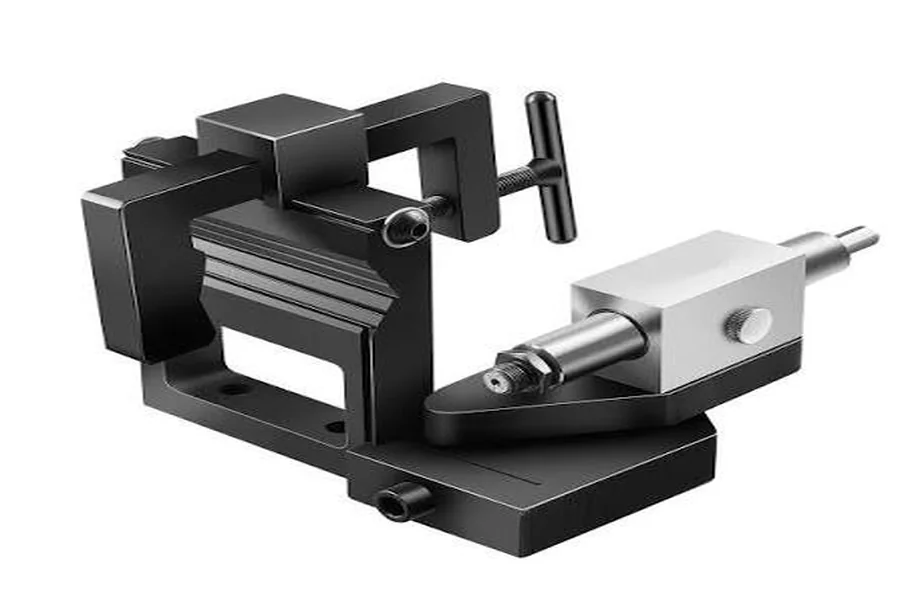
Metal fabrication shops report a clear uptick in orders for pipe notching gear. Busier schedules across construction, automotive, and custom work have widened the appeal of these tools. Fabricators want tighter joints, quicker turnaround, and far less wasted stock. That combination explains why notching machines have drawn fresh interest in workshops large and small this year.
What Pipe Notching Actually Involves
Pipe notching shapes a curved cut into the end of a tube so it seats neatly against another. Known to many as coping, the technique yields snug joints that sit ready for welding. A well-formed notch closes gaps, and that tight contact strengthens the weld while improving overall structural integrity.
Hand tools once ruled the smaller shop. These days, fabricators reach for purpose-built machines that repeat the same accurate cut again and again. Plenty of operators favor a heavy-duty pipe notcher tool since it works through thick-walled tubing without slipping or chewing up the edges. Steady results count heavily when a job calls for dozens of matching joints, and dependable gear trims both labor and rework on long production runs.
Experienced welders also appreciate the lighter prep load. Cleaner notches leave far less grinding before assembly starts.
Why Demand Has Climbed This Year
A handful of forces sit behind the jump. Rising output of metal furniture, railings, roll cages, and bicycle frames keeps fabricators occupied. Every one of those goods depends on precise tube joinery, so appetite for the supporting equipment grows right alongside them.
Growth in Custom Fabrication
Modest workshops now tackle jobs that once belonged to big plants. Reasonably priced notching machines made this possible. Owners can turn out professional joints in-house rather than farm them out, which protects margins and shortens delivery times.
Material Costs and Waste Reduction
Steel and aluminum stay pricey. Each botched cut piles on cost. Notching tools let fabricators stretch their stock further, because accurate coping shrinks scrap. Shops that track their costs welcome any machine that limits material loss.
Key Features Buyers Look For
Purchasers weigh several qualities before buying. Grasping these makes it easier to pair a tool with the daily workload.
Cutting Capacity
Capacity sets which tube diameters and wall thicknesses a machine can manage. Tougher work demands stronger motors and heftier frames. Picking enough capacity spares the tool from strain on the harder jobs.
Angle Adjustment
Adjustable angles let fabricators cut notches past the usual ninety degrees. Angled joints turn up in intricate frames and creative builds. Versatile settings broaden the mix of projects a shop can take on.
Build Quality
Rugged construction stretches service life. Hardened parts shrug off the wear that repeated cutting brings. Money spent on solid engineering comes back through fewer failures and smaller upkeep bills.
Manual Versus Powered Options
Each type answers a different need. Manual notchers fit hobbyists and lighter schedules. They ask for less money and barely any floor space. Powered models, by contrast, bring speed and steady accuracy to high-volume shops.
Production crews usually lean toward powered units. Quicker cycles mean greater output, which offsets the higher price tag. Smaller outfits often begin with a manual tool, then step up once orders build.
How Proper Notching Improves Weld Strength
A snug notch enlarges the contact zone where two tubes meet. More contact gives the weld extra surface to grip. Firmer bonds resist stress, vibration, and fatigue over time.
Sloppy fit-up pushes welders to bridge gaps with surplus material. That habit weakens joints and burns through filler. Careful coping sidesteps both issues, so finished assemblies carry real loads with confidence. Engineers framing safety-critical structures depend on that precision.
Tips for Getting Consistent Results
Operators can sharpen their outcomes with a few simple routines. Keeping cutting surfaces keen produces clean edges. Clamping the tube firmly stops it from shifting mid-cut. Measuring twice heads off expensive slips.
Steady maintenance also guards performance. Oiling moving parts and clearing away debris keeps a machine humming. Small habits like these deliver dependable joints run after run.
Conclusion
Pipe notching tools have earned their rising popularity the honest way: through results. They save material, hurry production along, and toughen every welded joint across a wide span of uses. With custom fabrication spreading and metal prices holding firm, appetite looks set to stay healthy. Shops that back quality equipment set themselves up for cleaner output, happier customers, and stronger profits over the months ahead.