
Pressed, Malossol, and Live-Harvested: Understanding Different Methods of Caviar Production
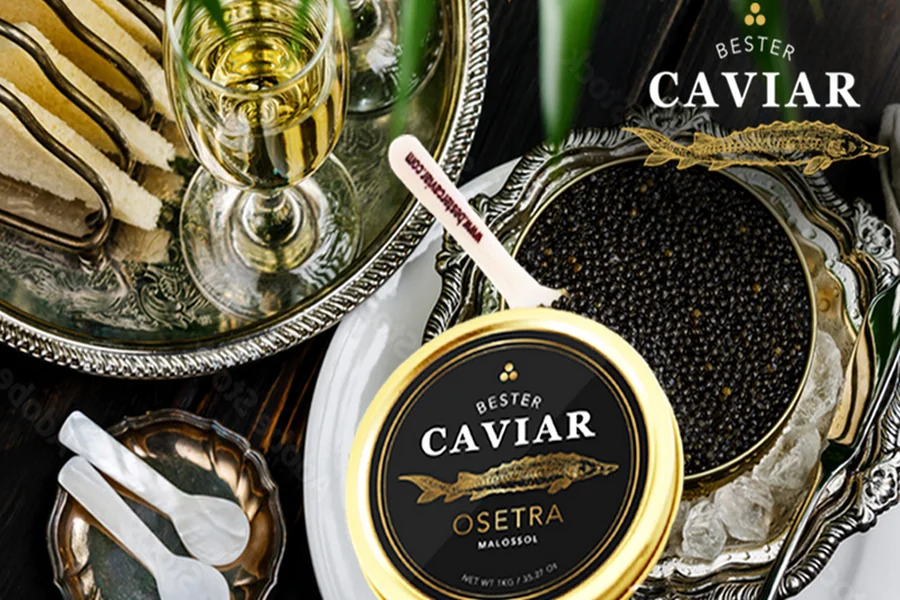
Caviar is often discussed in terms of species, origin, or grade, but the way it is harvested and processed plays an equally important role in shaping the final experience. From delicate texture to aroma and shelf life, production methods define how caviar looks, tastes, and performs on the palate. For anyone looking to buy black caviar, understanding these differences adds depth to the choice and appreciation of what’s inside each tin, whether sourced through modern aquaculture or trusted specialists like Bester Caviar.
Behind every spoonful lies a series of deliberate decisions — how the roe is extracted, salted, and handled — that reflect tradition, innovation, and evolving standards within the caviar world.
Why Harvesting and Processing Methods Matter
Harvesting and processing are not merely technical steps; they are creative and philosophical choices that shape caviar’s identity.
The impact on flavor, texture, and aroma is immediate. The amount of salt used, the timing of processing, and how gently the eggs are handled all influence whether caviar tastes clean and buttery, bold and intense, or subtly mineral. Texture can range from firm and glossy to dense and paste-like, depending on the method.
Shelf life and freshness are also closely tied to processing. Minimal intervention preserves natural flavor but often requires stricter storage conditions. More traditional methods, while altering texture, historically allowed for longer preservation. These trade-offs have guided the evolution of caviar techniques over centuries.
Malossol Caviar: A Minimalist Approach
Malossol has become synonymous with premium caviar, but the term is often misunderstood. Literally meaning “lightly salted,” malossol typically refers to caviar containing no more than 3–5% salt.
This salt balance allows flavor clarity to take center stage. Instead of overpowering the roe, salt acts as a subtle enhancer, highlighting natural notes such as cream, nuts, sea breeze, or umami. The individual eggs remain distinct, firm, and glossy, offering a clean burst when tasted.
Malossol became the modern standard as consumer preferences shifted toward freshness and authenticity. With advances in refrigeration, hygiene, and logistics, producers no longer needed heavy salting for preservation. The result is a style that emphasizes purity, making malossol caviar especially popular in fine dining and tasting-focused settings.
Pressed Caviar: Tradition and Intensity
Pressed caviar represents one of the oldest processing traditions in the caviar world. Historically, it emerged as a practical solution — roe that broke during handling was not discarded but gently pressed, salted, and aged.
How pressed caviar is made involves consolidating mature roe into a dense mass, often after slight fermentation. The pearls lose their individual shape, forming a smooth, spreadable texture.
The payoff is concentrated flavor and depth. Pressed caviar delivers an intense, savory profile with pronounced umami and salinity. Its texture makes it ideal for spreading, enriching sauces, or pairing with simple carriers like toast or warm potatoes.
Beyond flavor, pressed caviar carries historical and culinary significance, connecting modern diners to earlier eras when preservation techniques defined luxury food culture.
Live-Harvested Caviar: Modern Innovation
Live-harvested caviar reflects the latest evolution in aquaculture, driven by advancements in fish welfare and sustainability.
The concept behind live harvesting involves extracting roe without sacrificing the sturgeon. Through carefully controlled techniques, the fish can recover and potentially produce roe again after a maturation period.
This allows for repeated harvesting and improved fish welfare, aligning production with ethical standards increasingly valued by both producers and consumers. It also enables long-term planning and consistency within aquafarms.
Within modern aquaculture, live-harvested caviar represents a shift toward sustainability without redefining luxury. While the method requires significant expertise and investment, it reflects how innovation is reshaping traditional delicacies.
How These Methods Influence Taste and Use
Each production method creates distinct sensory and culinary characteristics.
Texture differences are immediately noticeable. Malossol caviar offers firm, separate pearls; pressed caviar is smooth and dense; live-harvested caviar often mirrors classic malossol in texture while benefiting from consistent quality.
When it comes to culinary applications, malossol shines when served simply — on blinis, toast, or as a finishing touch. Pressed caviar excels as an ingredient, enhancing sauces or spreads. Live-harvested caviar works well in refined presentations where consistency and freshness are key.
Storage and serving considerations also vary. Lightly salted caviar demands careful refrigeration and timely consumption, while pressed caviar is slightly more forgiving due to its processing style.
Choosing Based on Preference, Not Comparison
It’s important to approach these methods without framing them as a hierarchy.
Different styles appeal to different palates and occasions. Some prefer the clean, delicate expression of malossol, while others appreciate the bold intensity of pressed caviar. Live-harvested caviar attracts those who value innovation and sustainability alongside flavor.
Rather than asking which method is “better,” the more meaningful question is which style aligns with personal taste, culinary use, and values. This perspective is especially relevant in today’s market, where options range from responsibly farmed roe to legacy discussions surrounding wild caught caviar, now largely replaced by regulated aquaculture due to conservation efforts.
Conclusion
Understanding pressed, malossol, and live-harvested caviar is essential to appreciating the craftsmanship behind each tin. These methods are not competing philosophies but complementary expressions of tradition, innovation, and culinary intent.
By recognizing how harvesting and processing shape flavor, texture, and experience, caviar becomes more than a luxury item — it becomes a story of technique, care, and evolution. And that understanding transforms tasting into true appreciation.