
Restaurants Are Spending on Patios Like It Is the Main Room Now
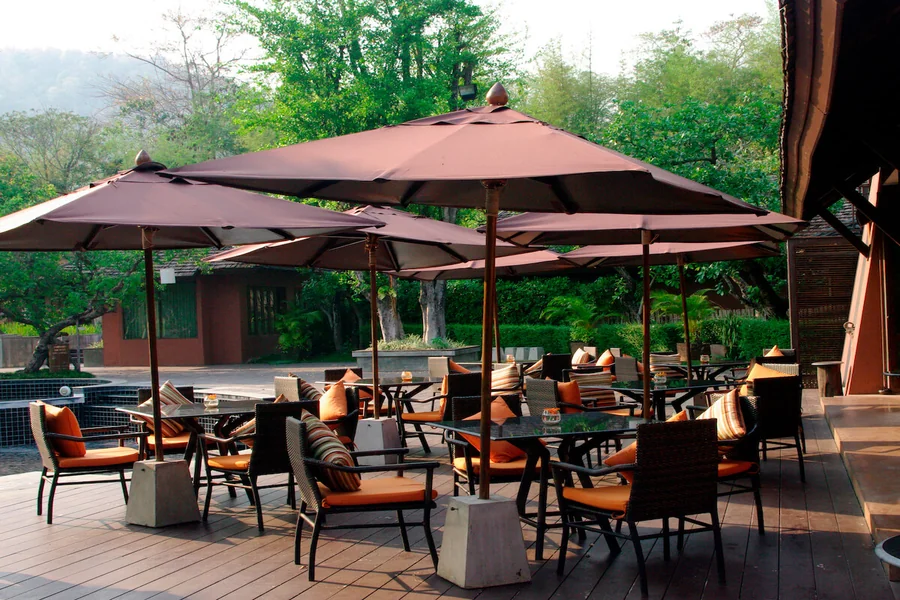
For most of restaurant history, the patio was the overflow. A handful of wobbly tables shoved out front for the three good months of the year, furnished with whatever was cheap enough to abandon to the weather. The real room, the one that got the architect and the budget and the good chairs, was always inside, behind glass, climate-controlled and serious.
That hierarchy quietly flipped. Sometime after 2020, the patio stopped being a spillover and became a destination, and the money operators invested in outdoor furniture has followed guests right through the door and back out onto the sidewalk. The shift shows up in budgets now, where durable outdoor restaurant furniture is specified with the same care once reserved for the dining room nobody could see from the street.
The Year the Sidewalk Became the Dining Room
The change arrived fast and then refused to leave. When indoor dining shut down, the patio went from amenity to lifeline overnight, and operators discovered something that outlasted the emergency: guests genuinely prefer to be outside. Demand never snapped back to the old normal. Search interest in outdoor seating jumped more than tenfold in the early 2020s and stayed elevated, a signal that the open air had become an expectation rather than a fair-weather bonus.
The number operators care about following the order of operations. A well-built patio can lift a venue’s revenue by as much as 30 percent, and among restaurants that offer outdoor seating, a striking share reports that it is driving more than 40 percent of their daily sales. A room that used to be an afterthought now carries a meaningful piece of the business.
When the Best Tables Face the Street
Walk past a busy restaurant on a warm evening and notice where people want to sit. The patio fills first. The window of glassed-in diners watches the sidewalk crowd with a faint envy, because the energy of the street, the passing dogs, the early light, the sense of being part of the city, is exactly what a dining room cannot manufacture.
Operators read that hunger and responded with capital. Money that once went entirely indoors now buys proper outdoor tables, weather-rated chairs, umbrellas, heaters, and the fixtures of a room meant to be used hard for most of the year. A majority of fine-dining and casual operators have poured fresh resources into outdoor space since the pandemic, treating the patio as square footage that earns rather than square footage that waits.
What the Weather Demands in Return
The sidewalk extracts a price the dining room never did, and it collects it relentlessly. Furniture left outside faces a daily assault of sun, rain, temperature swings, and, near any coast, salt-laden air. The slow grind of weathering breaks down materials that would last a decade indoors in a fraction of the time, which is why the patio cannot be furnished with the cheap castoffs of an earlier era.
That reality has pushed operators toward materials chosen for endurance rather than price. The questions on an outdoor furniture spec sheet now read differently from the indoor ones.
- Will the frame resist rust through years of rain and humidity?
- Does the finish retain its color under direct ultraviolet exposure throughout the season?
- Can the piece survive coastal salt air without corroding from the inside out?
- Is the furniture heavy enough to sit through the wind yet light enough to restack?
Why Aluminum Quietly Won the Patio
One material kept rising to the top of those answers. Aluminum does not contain iron, so it never forms the red rust that eats steel from the surface in, and it grows a thin natural oxide layer that shields it even in damp, salty air. Bare carbon steel can corrode many times faster than aluminum in the same coastal conditions, a gap that decides whether a patio set survives three years or twenty.
The lightweight metal, aluminum, pairs naturally with a baked-on finish that resists fading and adds a second line of defense against the elements. A powder-coated aluminum frame within sight of the ocean can run twenty years or more, where a thin-walled steel tube might rust through in three. For a patio that now carries real revenue, that durability is not a luxury. It is the difference between an asset and an annual replacement.
Comfort the Open Air Still Demands
Durability gets the spec-sheet attention, yet the patio still has to be a place a guest wants to linger, and that comes down to the same geometry that governs any seat. An outdoor chair paired with a 30-inch table needs a seat that is approximately 18 inches and enough lap clearance to sit without stooping, no different from the standard inside the dining room.
Get that wrong outdoors, and the revenue case quietly erodes, because a guest who fidgets on a too-low bench leaves before the second drink. The patios that earn their keep treat comfort as seriously as weather resistance, pairing frames that survive the elements with seating dimensions that hold a body happily through a long, slow evening in the open air.
The Outdoor Room Is the Brand Now
Stand back, and the trend is bigger than furniture. The patio has become the part of a restaurant that the city actually sees, the face it shows to everyone walking by, the advertisement that runs every warm evening without a media budget. A full, well-furnished outdoor room signals success to the street in a way no interior ever could, because the interior is hidden and the patio is not.
That visibility is why the spend keeps climbing and why it no longer feels like overflow money. Operators are furnishing the sidewalk the way they once furnished the dining room, with materials that last and a layout that invites lingering, because the open air turned out to be where guests wanted to be all along. The patio is no longer the room that waits for good weather. It is the main room now stayinthewoods.com, and the budgets have finally caught up to what the guests decided years ago.