
The Connection Between Oral Health and Overall Wellness in Children
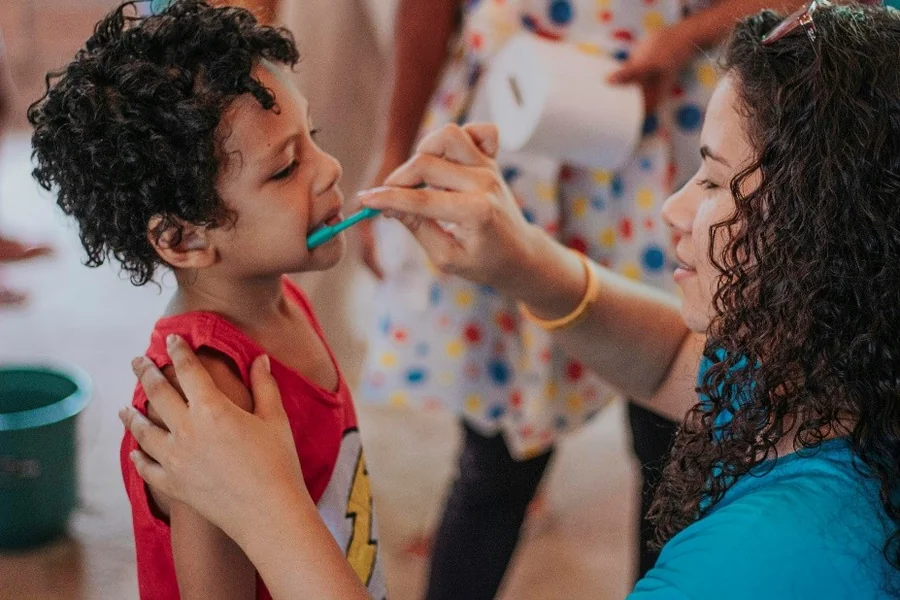
Parents often think of brushing and flossing as simple daily habits, but the truth runs much deeper. A child’s mouth is a window into the rest of the body, and what happens there can shape how they grow, learn, and feel every single day. In Tribeca, families are slowly recognizing that healthy teeth and gums are tied to far more than just a bright smile. Oral health influences nutrition, sleep, speech, confidence, and even the way a child’s immune system responds to everyday challenges.
Understanding this link early can help parents make choices that protect their children well into adulthood. Small habits formed in childhood tend to stick, and the benefits reach far beyond the dentist’s chair.
Why Expert Guidance Matters Early On
Every child has unique dental needs, and general advice found online cannot replace a trained professional who actually examines your child’s mouth. Early visits allow issues to be caught before they turn into painful problems, and they also give parents a clear picture of what healthy development should look like at each stage. A qualified pediatric dentist can spot warning signs that most parents would never notice on their own, from early enamel weakness to subtle bite issues that affect how a child chews and speaks. This kind of personalized attention makes a real difference in long-term outcomes.
If your kid needs gentle and reliable dental care, get in touch with a professional at Tribeca Dental Studio 4 Kids to book a consultation. A professional setting helps children feel comfortable with dental visits from a young age, which reduces fear and encourages lifelong habits.
How Oral Health Shapes Physical Wellness
The mouth is the starting point of digestion, and healthy teeth allow children to chew food properly. When chewing becomes painful because of cavities or gum irritation, children often avoid nutritious foods like fruits, vegetables, and lean proteins. Over time, this can lead to poor nutrition, low energy, and slower physical growth.
Infections in the mouth can also travel through the bloodstream and affect other parts of the body. Untreated tooth decay has been linked to discomfort that interferes with sleep, appetite, and even the ability to fight off common illnesses. When a child’s body is constantly dealing with low-grade inflammation from unhealthy gums, it has fewer resources available for growth and daily activity.
The Link Between the Mouth and Mental Well-being
Children who struggle with dental pain often become withdrawn or irritable. They may have trouble concentrating in school, feel embarrassed about how their teeth look, or avoid smiling and speaking in front of others. These emotional effects can shape how a child builds friendships and how they see themselves.
A confident smile plays a bigger role in childhood development than many people realize. When children feel good about their appearance, they participate more openly in class, sports, and social activities. Good oral health supports this confidence quietly but powerfully, giving children one less reason to feel self-conscious during the years when they are still figuring out who they are.
Speech Development and Oral Health
Teeth, gums, and the tongue all work together to help children form words clearly. Missing teeth, misaligned bites, and oral infections can interfere with speech development at a critical age. Children who cannot pronounce certain sounds correctly may feel frustrated, and this frustration can sometimes be mistaken for learning difficulties.
Regular dental care ensures that the structures inside the mouth are developing the way they should. When problems are caught early, speech issues related to dental development can often be prevented or corrected before they become deeply rooted.
Sleep, Breathing, and Oral Health
Many parents are surprised to learn that oral health is closely tied to how well their child sleeps. Problems like mouth breathing, enlarged tonsils, and poor jaw development can disrupt restful sleep and leave children tired during the day. A pediatric dentist can identify these concerns and guide families toward solutions that improve both sleep quality and daytime focus.
When children sleep well, they behave better, learn faster, and recover more quickly from minor illnesses. Healthy oral development supports all of this in ways that are easy to overlook until something goes wrong.
Building Habits That Last a Lifetime
Children learn by watching the adults around them. When parents brush and floss regularly, drink water instead of sugary beverages, and treat dental visits as a normal part of life, children absorb these habits naturally. Making oral care feel positive rather than forced helps children see it as something they do for themselves, not something imposed on them.
Small daily choices matter more than occasional big efforts. Brushing twice a day, limiting sticky sweets, and visiting the dentist on a regular schedule create a strong routine that protects a child’s whole body. These habits become second nature when they start early, and they continue paying off throughout adolescence and adulthood.
The Role of Diet in Oral and General Health
What children eat affects their teeth just as much as it affects their growing bodies. Foods rich in calcium, phosphorus, and vitamins help build strong enamel, while sugary snacks and drinks feed the bacteria that cause decay. Encouraging children to enjoy whole foods, crunchy vegetables, and plenty of water supports both their oral health and their overall development.
Balanced nutrition and good oral care work hand in hand. When one side is neglected, the other tends to suffer as well. Parents who pay attention to both give their children a head start on a healthier life.
Caring for a child’s mouth is never just about teeth. It is about protecting their growth, their confidence, their comfort, and their future. Every brushing session, every healthy meal, and every dental visit adds up to something much bigger than most parents realize, and the rewards last a lifetime.